Jakarta (ANTARA) – Electric bicycles have firmly cemented their position as a cornerstone of daily urban mobility by 2026, driven by their compelling blend of efficiency, minimal operational costs, and significant environmental benefits. This year marks a pivotal moment in the e-bike market, with manufacturers unveiling an array of sophisticated models boasting increasingly comprehensive features, ranging from vastly expanded battery capacities that promise extended range to advanced braking systems ensuring superior safety and control. The global push towards sustainable transportation, coupled with technological breakthroughs, has propelled e-bikes from a niche product to a mainstream solution for commuters, leisure riders, and delivery services alike, reshaping the urban transit landscape across metropolitan areas worldwide, including Indonesia’s bustling capital.
Driving Factors Behind E-Bike Popularity
The exponential growth of the electric bicycle market is not merely a fleeting trend but a reflection of profound shifts in urban living and environmental consciousness. By 2026, several key factors have converged to establish e-bikes as an indispensable mode of transport. Economically, e-bikes offer unparalleled cost-efficiency. With fluctuating fuel prices and rising maintenance costs associated with conventional vehicles, the minimal operational expenditure of e-bikes—primarily electricity for charging and occasional servicing—presents a compelling financial advantage. Commuters report significant savings on fuel, parking fees, and public transport fares, making them an attractive alternative for budget-conscious individuals.
Environmentally, e-bikes align perfectly with global sustainability agendas. They produce zero tailpipe emissions, directly contributing to cleaner urban air and reduced noise pollution. This aligns with national and municipal efforts to combat climate change and improve urban air quality, particularly in densely populated cities like Jakarta, where traffic congestion and pollution remain pressing concerns. The United Nations Environment Programme projects that widespread adoption of e-mobility solutions, including e-bikes, could significantly cut urban carbon footprints by the end of the decade.
Beyond economics and ecology, e-bikes address practical urban challenges. Traffic congestion, a perennial issue in major cities, is mitigated as e-bikes offer a nimble and often faster way to navigate crowded streets. Their ability to utilize existing cycling infrastructure, and sometimes even pedestrian pathways (where legally permitted), provides a degree of flexibility unmatched by cars or even motorcycles. Moreover, the pedal-assist function democratizes cycling, making it accessible to a broader demographic, including those with physical limitations, seniors, or individuals simply seeking a less strenuous commute. This blend of convenience, accessibility, and environmental responsibility has cultivated a robust and expanding user base.
The Evolving Landscape of E-Bike Technology in 2026
The e-bike market in 2026 is characterized by rapid technological innovation, pushing the boundaries of performance, safety, and user experience. Battery technology, the heart of any electric vehicle, has seen remarkable advancements. Lithium-ion batteries remain dominant, but their energy density has significantly improved, allowing for smaller, lighter battery packs that deliver greater range. Many models now feature integrated battery designs, seamlessly concealed within the frame for a sleeker aesthetic and improved protection against the elements and theft. Fast-charging capabilities have also become standard, with many batteries reaching 80% charge in under two hours, greatly enhancing convenience for daily users. Research into solid-state batteries promises even further leaps in capacity and safety in the near future.
Motor systems have also evolved, offering a more refined and powerful riding experience. While hub motors (located in the front or rear wheel) remain popular for their simplicity and cost-effectiveness, mid-drive motors (positioned at the pedal crank) are increasingly favored for their natural feel, better weight distribution, and efficiency in hill climbing. Torque sensors have become standard, providing a more intuitive and responsive pedal-assist that seamlessly matches the rider’s effort. Peak power outputs for many urban models now comfortably exceed 500 watts, providing ample acceleration and hill-climbing capability while adhering to regional speed regulations, typically capped at 25-32 km/h (15-20 mph) for pedal-assist models.
Safety features have undergone a significant overhaul. Hydraulic disc brakes, offering superior stopping power and consistency in all weather conditions, are now a baseline expectation for most mid-to-high range e-bikes. Some advanced models are even incorporating rudimentary anti-lock braking systems (ABS) and integrated turn signals, borrowed from motorcycle technology, to enhance rider safety in complex urban environments. Furthermore, integrated LED lighting systems are brighter and more energy-efficient, often featuring automatic daylight sensors and brake lights, increasing visibility for both the rider and other road users.
Connectivity and smart features are transforming the e-bike into a sophisticated smart device. Digital instrument panels provide real-time data on speed, battery life, and assist level. Many e-bikes now come with smartphone integration via dedicated apps, offering features like GPS navigation, ride tracking, remote locking/unlocking, diagnostic tools, and even anti-theft alarms. Over-the-air (OTA) updates are becoming more common, allowing manufacturers to push software enhancements and bug fixes directly to the bike, ensuring it remains cutting-edge throughout its lifespan.
Key Considerations for Prospective Buyers in 2026
With a burgeoning market offering a bewildering array of choices, prospective e-bike buyers in 2026 are advised to look beyond the initial price tag and consider several critical factors to ensure their investment aligns with their specific needs and offers long-term satisfaction.
-
Battery Capacity and Range: This is paramount. Battery capacity, typically measured in watt-hours (Wh) or amp-hours (Ah) at a specific voltage (e.g., 36V 10Ah = 360 Wh), directly dictates the bike’s range. A higher Wh rating means a longer potential distance on a single charge. Riders should assess their average daily commute distance and add a buffer for unforeseen detours or higher assist levels. Factors like rider weight, terrain, wind, tire pressure, and the chosen assist mode significantly influence actual range. For typical urban commuting, a battery offering 40-60 km (25-37 miles) of range is generally sufficient, while those planning longer excursions or delivery work might require 80 km (50 miles) or more.
-
Motor Power and Type: E-bike motors are rated in watts (W), typically ranging from 250W to 750W or higher. The legal maximum motor power for public roads varies by region (e.g., 250W in much of Europe, 750W in parts of North America). Higher wattage generally means better acceleration and easier climbing of steep hills. As discussed, mid-drive motors are often preferred for their balanced power delivery and efficiency, especially for hilly terrain, while hub motors are simpler and often more affordable.
-
Load Capacity: Crucial for commuters carrying heavy bags, groceries, or for those using the e-bike for light delivery services. Always check the manufacturer’s specified maximum load capacity, which includes the rider’s weight and any cargo.
-
Frame Material and Design: Common materials include aluminum alloy (lightweight, rust-resistant), steel (durable, comfortable ride, heavier), and increasingly, carbon fiber (lightest, most expensive, excellent vibration dampening). Frame geometry should match the intended use (e.g., upright for city comfort, aggressive for sport). Foldable designs offer excellent portability for multi-modal commuters or those with limited storage space.
-
Suspension: A rigid frame is suitable for smooth urban roads. Front suspension forks absorb shocks from bumps and potholes, enhancing comfort. Full suspension (front and rear) is typically found on e-mountain bikes but can be beneficial for very rough urban terrain or extended rides.
-
Braking System: Hydraulic disc brakes are now the gold standard, offering superior stopping power, modulation, and reliability in wet conditions compared to mechanical disc or rim brakes. Regenerative braking, where the motor recharges the battery during deceleration, is an added bonus in some higher-end models.
-
Tires: Consider tire width and tread pattern. Wider tires offer more comfort and stability, while narrower tires reduce rolling resistance. Puncture-resistant tires or tubeless setups significantly reduce the likelihood of flats, a major convenience for daily riders.
-
Lighting and Safety Features: Beyond basic lights, look for integrated LED systems, brake lights, and potentially turn signals. A robust horn is also advisable for urban riding. Anti-theft features like motor immobilizers, GPS tracking, and audible alarms offer peace of mind.
-
Ergonomics and Comfort: Test riding is highly recommended. Ensure the saddle is comfortable, handlebars are at an appropriate height and reach, and the overall riding posture feels natural. Adjustable components can fine-tune the fit.
-
After-Sales Service and Spare Parts Availability: This is often overlooked but is vital for long-term satisfaction. A reputable brand with a strong local dealer network, readily available spare parts (especially for proprietary components like batteries and motors), and a clear warranty policy will save considerable hassle and expense in the long run.
Top Electric Bicycle Recommendations for 2026
Drawing from market insights and user reviews, here are six leading electric bicycle models that stand out in 2026 for their performance, features, and value, catering to a diverse range of rider needs:
-
Uwinfly D66A: A perennial favorite, the Uwinfly D66A continues to impress with its robust design and powerful performance. Equipped with a potent 600-watt rear hub motor and a 48V 12Ah integrated lithium-ion battery, it boasts an impressive range of up to 70 kilometers on a single charge, making it ideal for extended daily commutes. Standard features include bright LED head and tail lights, a comprehensive digital instrument panel displaying speed, battery level, and mileage, and reliable hydraulic disc brakes. Its durable frame and tubeless tires ensure resilience against urban wear and tear, while smart features like an integrated anti-theft alarm and smartphone connectivity for ride data elevate its appeal among tech-savvy commuters seeking a dependable and feature-rich ride.
-
Viar Vitron 02: The Viar Vitron 02 commands attention with its sleek, modern aesthetic and sturdy build quality. Designed specifically for the rigors of city travel, its high-tensile steel frame provides exceptional durability and a smooth ride. Powered by a 400-watt rear hub motor and a 36V 10Ah removable battery, it offers a comfortable range of approximately 50 kilometers. The Vitron 02 features comfortable front suspension, a plush saddle, and full LED lighting. A significant advantage for Indonesian buyers is Viar’s extensive network of after-sales service centers and readily available spare parts, ensuring peace of mind and long-term support for users across the archipelago. This model appeals to riders prioritizing reliability and local service.
-
Exotic Veloce V7: The Exotic Veloce V7 epitomizes urban practicality and portability. Its exceptionally compact and often foldable design, coupled with a lightweight aluminum alloy frame, makes it an excellent choice for multi-modal commuters or those with limited storage space. Despite its small footprint, it doesn’t compromise on features, offering a 350-watt motor and a 36V 8Ah easily removable battery, providing a range of about 40 kilometers. Comfort is enhanced by an ergonomic seating position, a soft gel saddle, and integrated LED lights. The Veloce V7’s intuitive controls and nimble handling make it a top contender for users who value convenience, maneuverability, and a hassle-free riding experience in congested urban environments.
-
Pacific Ventura R5 E-Bike: For riders who appreciate the traditional cycling experience but desire an assist when needed, the Pacific Ventura R5 E-Bike is an outstanding hybrid. It skillfully blends the aesthetics and feel of a conventional bicycle with the subtle power of electric assistance. This model typically features a discreet 250-watt mid-drive motor, integrated seamlessly into the crankset, providing a natural and responsive pedal-assist. Its battery, often cleverly disguised within the downtube or as a water bottle, offers a range upwards of 60 kilometers. Equipped with reliable Shimano gearing and lightweight components, the Ventura R5 is perfect for fitness enthusiasts, long-distance commuters, or those transitioning from traditional cycling, allowing them to exert as much or as little effort as desired.
-
Selis Sanur E-Bike: The Selis Sanur E-Bike continues to be a popular entry-level option, praised for its straightforward design, user-friendly operation, and highly competitive price point. Aimed at the casual urban rider, students, or those running daily errands, it typically features a 250-watt front or rear hub motor and a 36V 7Ah battery, delivering a practical range of 30-40 kilometers. Its robust construction often includes practical features like a front basket, a rear rack, and full fenders, enhancing its utility. The Sanur E-Bike is an excellent choice for individuals seeking an affordable, no-frills electric bicycle that excels in ease of use and practicality for everyday urban activities, embodying value for money in the e-mobility sector.
-
United Nebular E-Bike: The United Nebular presents a stylish and comfortable solution for modern city commuting. Adopting a classic "city bike" aesthetic, it combines an upright riding position with swept-back handlebars and a comfortable saddle, ensuring a relaxed journey. Powered by a 500-watt rear hub motor and a 48V 10Ah battery, it offers a solid range of 50-60 kilometers, making daily commutes effortless. The Nebular features integrated bright LED lights, a suspension fork to smooth out road imperfections, and a sturdy kickstand. Its sleek, modern appearance, combined with its eco-friendly credentials, makes it a preferred choice for professionals and design-conscious riders who desire a comfortable, reliable, and aesthetically pleasing mode of green transportation.
Beyond the Purchase: After-Sales Support and Longevity
The long-term satisfaction derived from an e-bike purchase extends well beyond the initial transaction. Robust after-sales service and readily available spare parts are paramount. Reputable manufacturers and distributors understand this, offering comprehensive warranties on frames, motors, and batteries, often ranging from one to five years. A strong local dealer network ensures access to certified technicians for routine maintenance, diagnostics, and repairs. Furthermore, the availability of proprietary components, particularly battery packs, is crucial for the bike’s lifespan. Many brands now offer battery replacement programs and are actively participating in battery recycling initiatives to address environmental concerns associated with end-of-life lithium-ion units. Investing in an e-bike from a brand with a proven track record in support ensures that the vehicle remains operational and enjoyable for years to come.
Expert Insights and Market Outlook
Industry analysts confirm the sustained upward trajectory of the e-bike market. Dr. Anya Sharma, a leading e-mobility market strategist, noted in a recent briefing, "By 2026, the global electric bicycle market is projected to exceed a valuation of $60 billion, with Asia-Pacific being a significant growth engine. The convergence of technological innovation, supportive government policies, and shifting consumer preferences towards sustainable and active lifestyles is creating an unstoppable momentum." Urban planners and environmental advocates echo this sentiment. Mr. Budi Santoso, Director of Urban Planning at Jakarta’s Metropolitan Development Agency, stated, "E-bikes are integral to our vision for a greener, less congested Jakarta. We are actively exploring dedicated e-bike lanes and secure parking facilities to further encourage their adoption." Manufacturers, too, are optimistic, with many reporting significant investments in R&D to enhance battery range, motor efficiency, and smart connectivity. The focus is increasingly on integrating AI for personalized riding modes and advanced safety systems.
Policy and Infrastructure: Paving the Way for E-Mobility
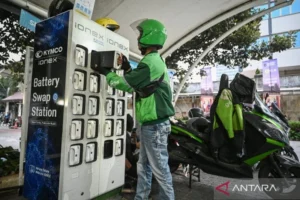
Government policies and infrastructural development play a pivotal role in accelerating e-bike adoption. Many nations, including Indonesia, have implemented various incentives such as purchase subsidies, tax breaks, and reduced import duties for electric vehicles, including e-bikes, to make them more accessible. Local authorities are also investing in improving cycling infrastructure, creating dedicated bike lanes, and developing secure, public charging stations in urban centers, commercial areas, and residential complexes. The "Green Campus" initiative, exemplified by institutions like Universitas Hasanuddin launching operations for 600 electric bicycles, highlights a growing trend of integrating e-mobility into institutional frameworks to foster sustainable environments and reduce campus traffic. These concerted efforts from policymakers and urban developers are crucial in building an ecosystem that supports and encourages the widespread use of electric bicycles as a viable and preferred mode of transportation.
Challenges and Future Prospects
Despite the undeniable progress, the e-bike sector faces challenges. Battery disposal and recycling remain a critical environmental consideration, prompting industry-wide efforts for sustainable lifecycle management. Safety concerns, particularly regarding shared infrastructure with pedestrians and higher-speed vehicles, necessitate continuous education and robust regulatory frameworks. Theft, a persistent issue for all bicycles, is being addressed through advanced anti-theft technologies and secure parking solutions. The initial upfront cost, though offset by long-term savings, can still be a barrier for some segments of the population.
However, the future prospects for electric bicycles are exceptionally bright. Continued advancements in battery technology promise even lighter, more efficient, and longer-lasting power sources. The integration of advanced driver-assistance systems (ADAS) borrowed from automotive technology, such as radar-equipped models for enhanced collision avoidance, is already being explored by innovative players like VW. We can anticipate further integration with public transport networks, autonomous e-bike rental fleets, and personalized riding experiences driven by artificial intelligence. Subscription models for e-bikes are also gaining traction, offering flexible and affordable access to these vehicles without the burden of ownership.
In conclusion, the year 2026 marks a period of dynamic transformation for urban mobility, with electric bicycles at the forefront of this revolution. Their blend of efficiency, environmental benefits, and technological sophistication has made them an increasingly attractive choice for a diverse populace. As technology continues to evolve and supportive infrastructure expands, e-bikes are poised to play an even more significant role in shaping sustainable, healthy, and efficient cities for generations to come. The market is vibrant, the choices are abundant, and the path towards a greener commute has never been clearer.