Mazda the biggest loser, BYD the biggest winner in Australia’s first round of vehicle emissions results
About 70-p.c of carmakers in Australia hang successfully averted initial CO2 penalties save into enact by the Unusual Automobile Effectivity Traditional Regulator (NVES), leaving 30-p.c going by gigantic doubtless fines which will most productive worsen year-on-year.
The fines would per chance be formally issued in February 2028, multiplying Meantime Emissions Tag (IEV) results by $50 AUD, in some cases totalling tens of millions of bucks.
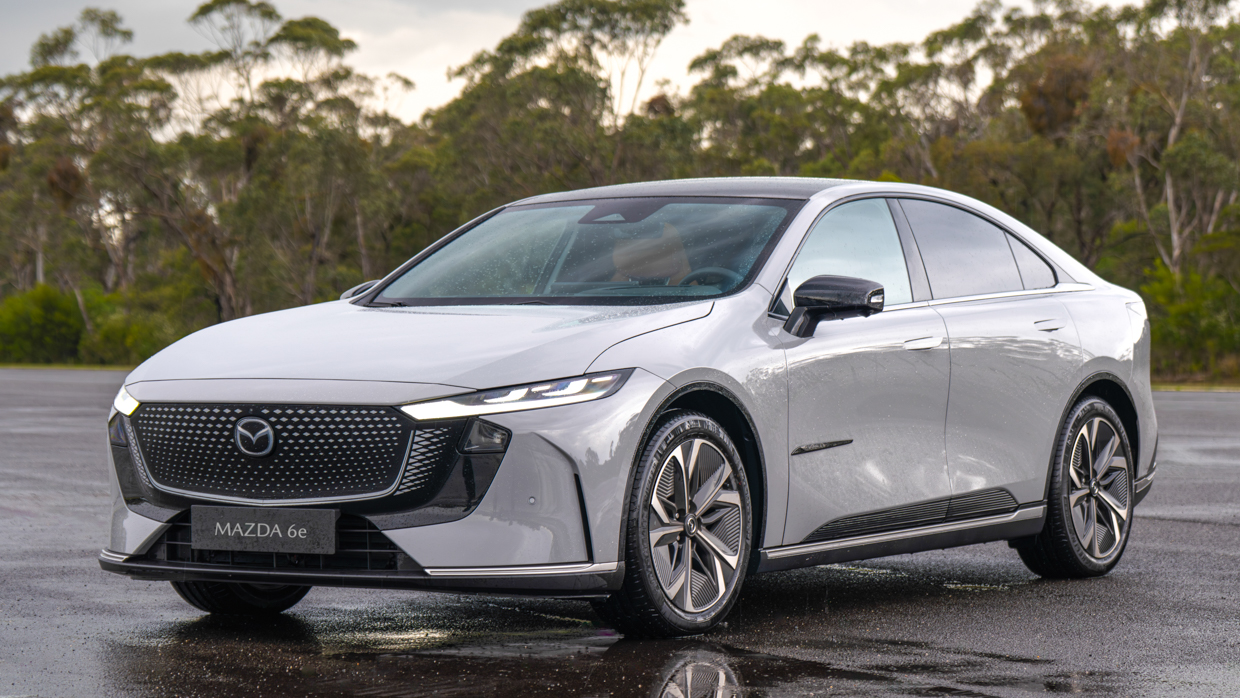
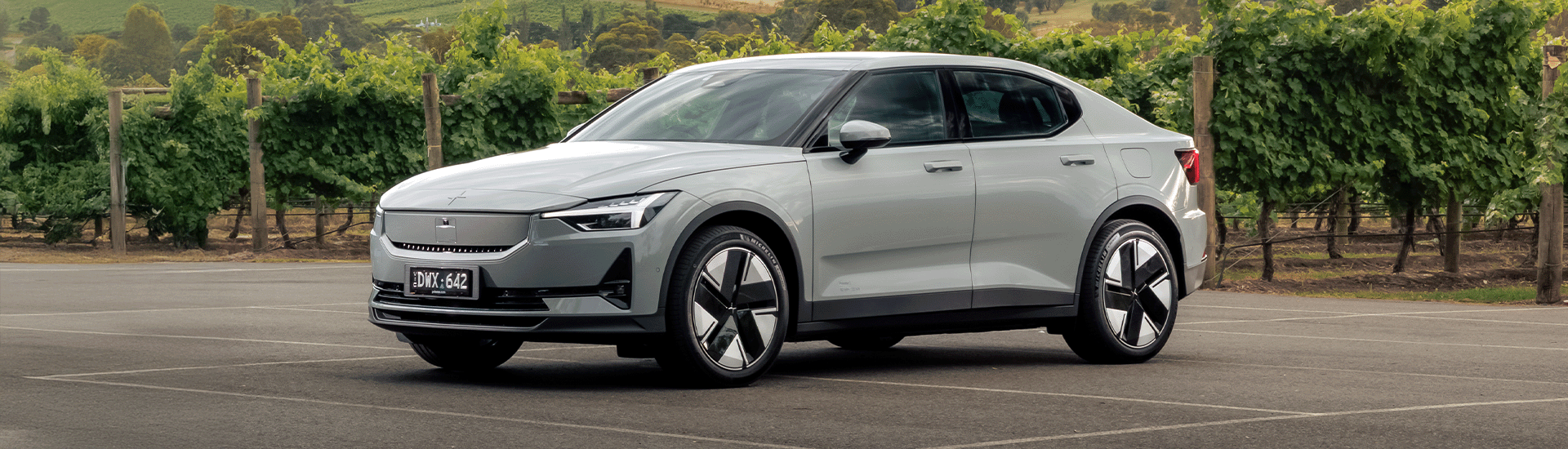
Preliminary results expose 2025’s third preferred carmaker, Mazda, because the entrance-runner in penalties, with an IEV of 508,517 — representing a doubtless beautiful of ~$25.4 million. Runners up encompass Nissan with 215,261 (~$10.8 million), and Subaru with 139,635 (~$7.0 million).
Mazda, Nissan, and Subaru are the tip three of 19 brands which fell short of their Form 1 and Form 2 emissions targets. These 19 carmakers can hang no longer as a lot as two years to certain their money owed, or endure the results.
Conversely, 40 brands met or exceeded their IEV targets, the latter accruing credits which would per chance be sold to other automakers, or utilized to much less atmosphere pleasant autos.
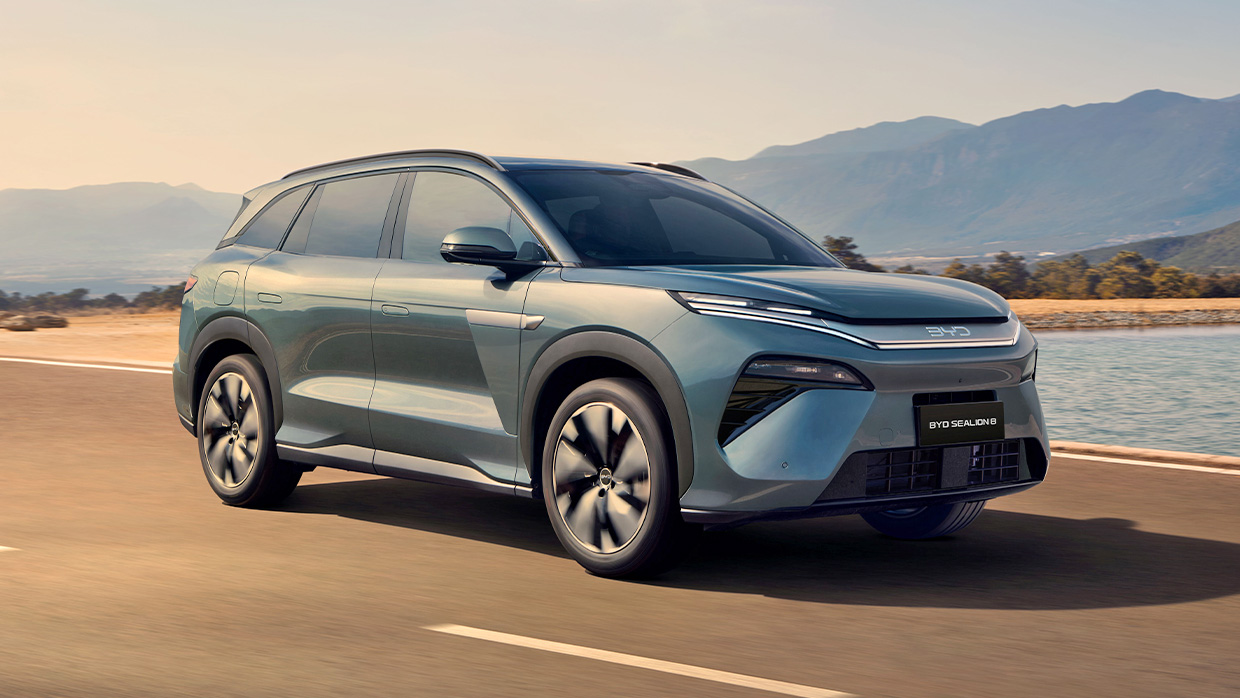
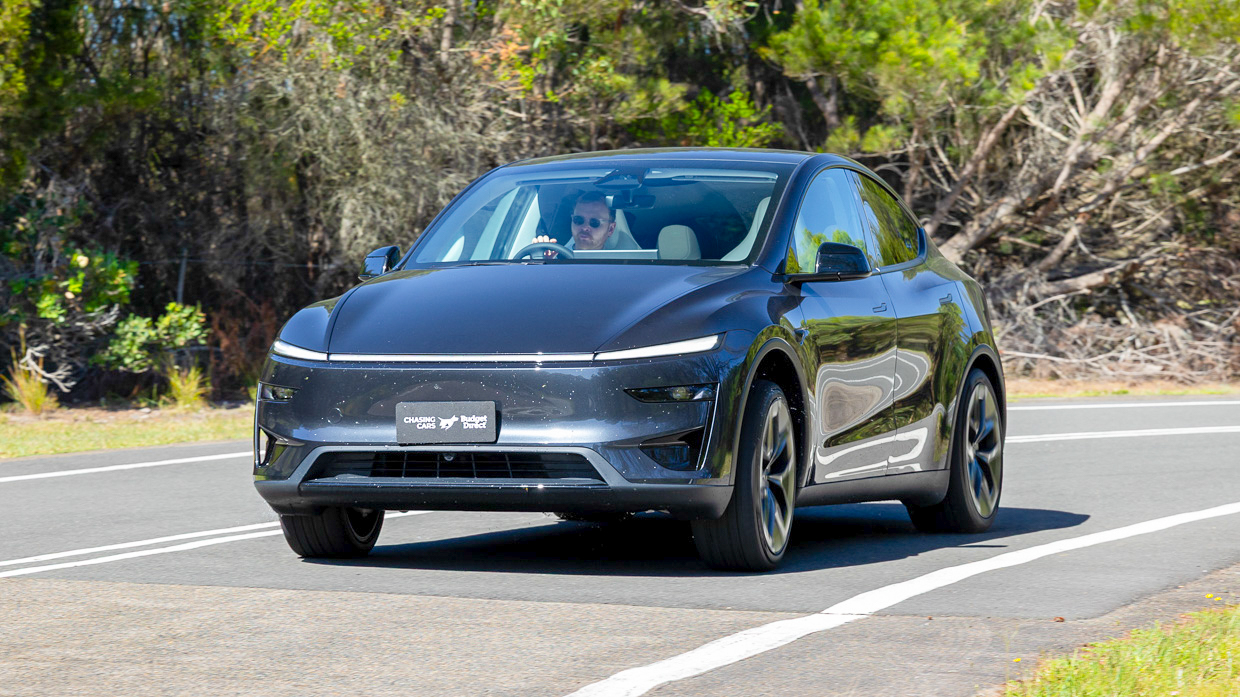
BYD led the pack for atmosphere pleasant vehicle manufacturing, mustering an IEV of -6.3 million to complete a theoretical ‘price’ of ~$314 million. Hybrid-obsessed Toyota snagged second with -2.9 million (valued at ~$145 million), and Tesla third with -2.2 million (~$110 million).
Diversification of car powertrains, introduction of original EV gadgets, and the frequent exercise of sunshine-hybrid methods, namely observable with Toyota, are all attributed because the riding motive of many automakers assembly 2025’s IEV aims.
“An expand within the vary of zero and low emission autos on hand within the Australian market hang supported the achievement of the well-known-year targets,” acknowledged Tony Weber, chief govt of the Federal Chamber of Car Industries.
Additional info on industry terms and authorities guidelines, alongside side NVES, IEV, FEV, “Form X” autos, CO2, and how penalties are utilized, continues beneath.
What is NVES and how does it work?
Established on 1st January 2025, NVES is a authorities-operated regulatory body which gadgets vehicle CO2 emissions targets for all original autos sold in Australia between 2025 and 2029.
Unusual autos are sorted into two kinds, every with their like emissions thresholds. ‘Form 1’ refers to most passenger autos and SUVs, while ‘Form 2’ is oriented towards industrial autos, utes, and off-street SUVs.

Form 2 autos adhere to much less stringent emissions targets.
Closing year’s emissions limits hang been averaged to be 144 grams of CO2 per kilometre for Form 1 autos, and 214g/km for Form 2 autos. Automakers are rewarded with credits for autos which carry out beneath the threshold, and penalised for exceeding it.
Automobile emissions are averaged over a six-month interval, where an ‘Meantime Emissions Tag (IEV) is generated. An IEV simply represents how an automaker tracks with guidelines, where a detrimental IEV signifies credits, and a particular IEV represents debits.
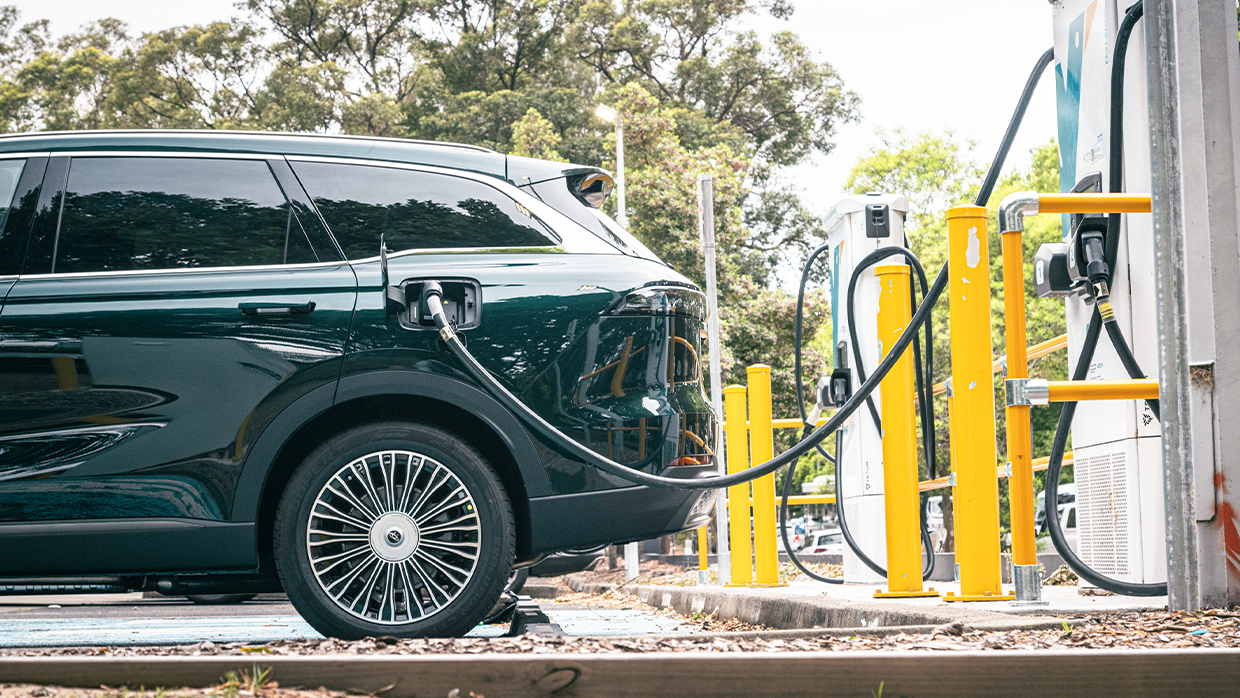
Based totally on NVES, automakers can hang except February 2028 to stage out their particular IEV values, whether or no longer that is carried out by procuring credits from other, more behaved brands, promoting extremely atmosphere pleasant autos treasure PHEVs and EVs, or strategising a blanket vehicle price expand, with the intent to cross on the beautiful to the particular person.
This year’s emissions targets are field at 117g/km for Form 1 autos and 180g/km for Form 2. Subsequent year, 92g/km (Form 1) and 150g/km (Form 2), 2028 68g/km (Form 1) and 122g/km (Form 2), and at closing, 2029 field at 58g/km (Form 1) and 110g/km (Form 2).
What is Carbon Dioxide (CO2) and why is it regulated?
In easy terms, all petrol and diesel autos, hybrid or in another case, form CO2. It is a compulsory byproduct of feeble inner combustion, where fuel is blended with tension and ignition to form CO2 and vitality.
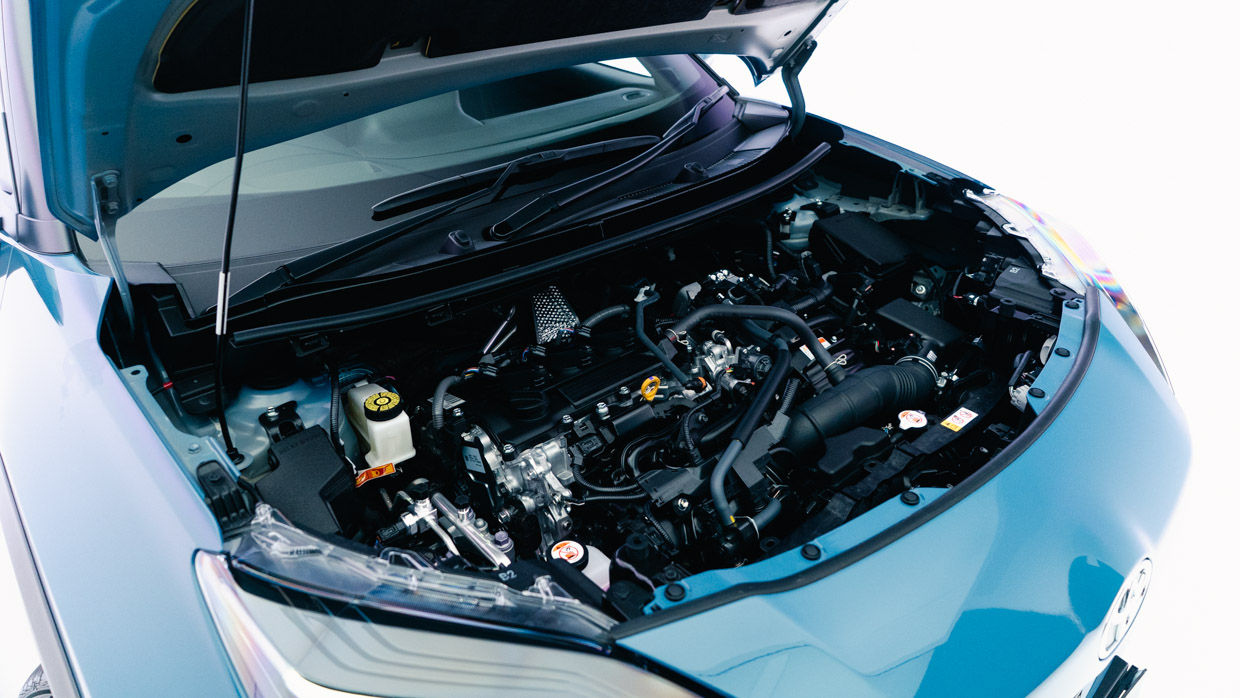
Clearly, recent automobile know-how has seen electrical autos, which theoretically form no emissions in any appreciate, and hydrogen-powered autos, which combine hydrogen and oxygen to form vitality and water, bypass the notify manufacturing CO2.
Combustion autos treasure automobiles, buses, autos, planes, and trains hang all contributed to an abnormally big quantity of CO2 entering the atmosphere over the past 100 years.
CO2 is a greenhouse fuel, this capability that a further contributes to the greenhouse enact, a key element of global warming.
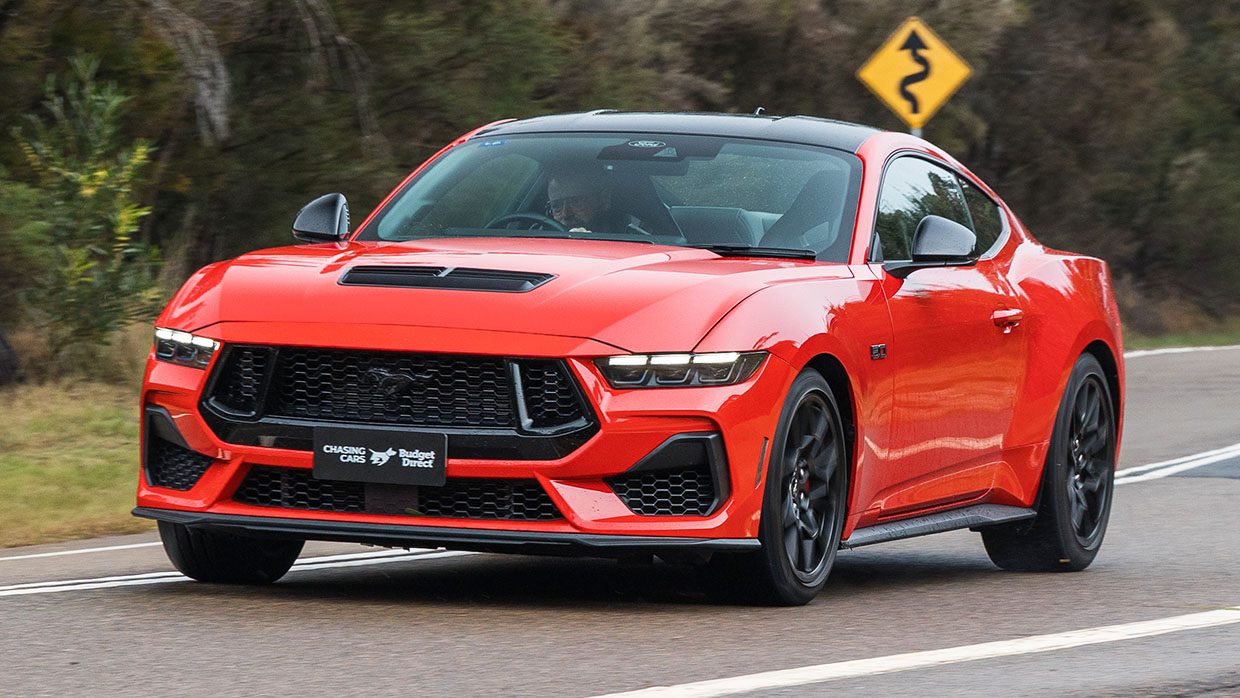
The more CO2 the Earth produces, the more heat from sunlight is trapped within the atmosphere, and the more the Earth’s temperature rises.
Due to this regulatory bodies treasure NVES hang been implemented round the field in an strive and decrease or eliminate the pointless manufacturing of greenhouse gasses, to be succesful to withhold livable prerequisites on our planet.
Source credit : chasingcars.com.au