Hybrids vs Plug-in Hybrids vs Battery Electric Vehicles: What are the pros and cons of these different electrified powertrains?
Selecting between a hybrid (HEV), scuttle-in hybrid electrical automobile (PHEV), or an fully electrical automobile (EV) can in fact feel overwhelming in these days’s automobile market.
Hybrids had been already well-liked earlier than the serene gas-tag direct, and now quiz for electrified autos – at the side of battery electrical autos – has accelerated.

Nonetheless with ever-growing selection for customers, and foremost differences between the assorted forms of electrified autos, what is the ideal option for you?
There are advantages and downsides to every powertrain class, and your standard of living, dwelling dwelling-up, and riding preferences can carefully have an effect on how you opt out your subsequent automobile.
Here’s Chasing Vehicles’ manual to thought the professionals and cons of HEVs, PHEVs, and BEVs…
HYBRIDS (SELF-CHARGING)
There are ‘relaxed hybrids’ available within the market, that are living up to their title in two ways: the electrical contribution to the riding journey and the gas savings are each relaxed.
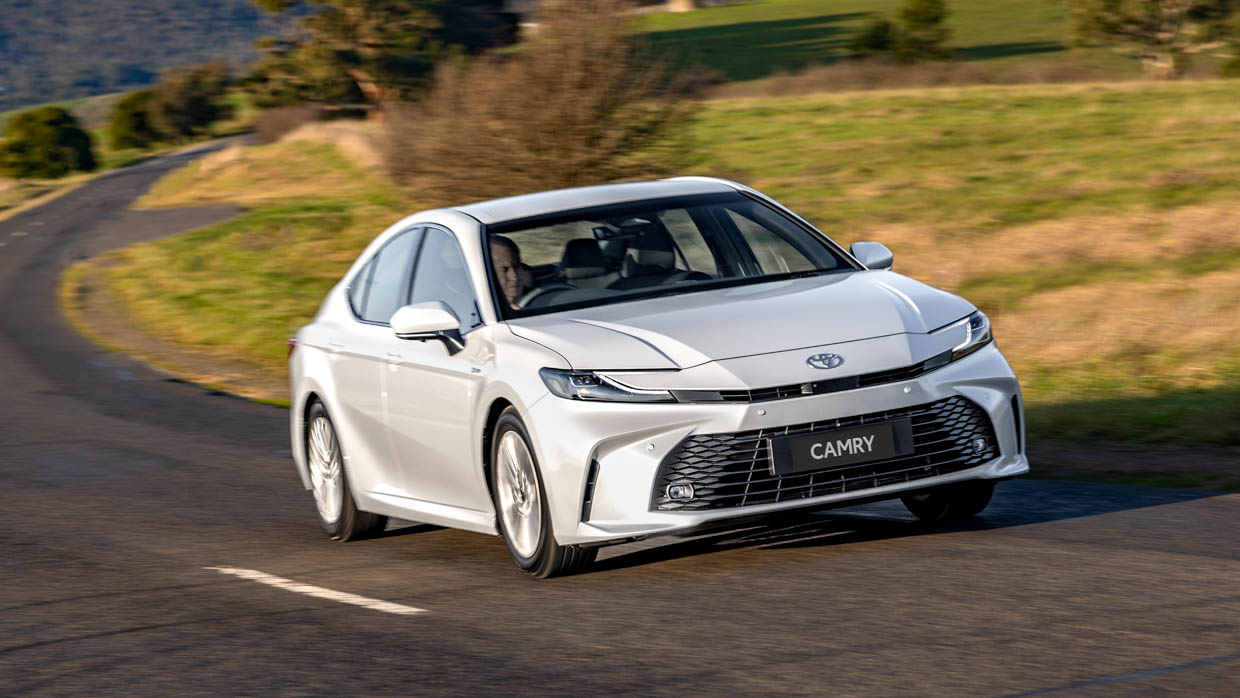
Here, we’re targeted on fashioned ‘self-charging’ hybrid autos that pair an interior combustion engine (ICE) with an electrical motor for more well-known gas economy improvements and in total stronger efficiency.
Also identified as a ‘series-parallel’ hybrid, the powertrain can force a automobile using combustion or electrical force, or mix each concurrently.
Toyota led the device in which for mainstream hybrids with the Prius bigger than 25 years ago, and it has about a of the popular petrol-electrical autos available within the market, at the side of the RAV4 midsized SUV.
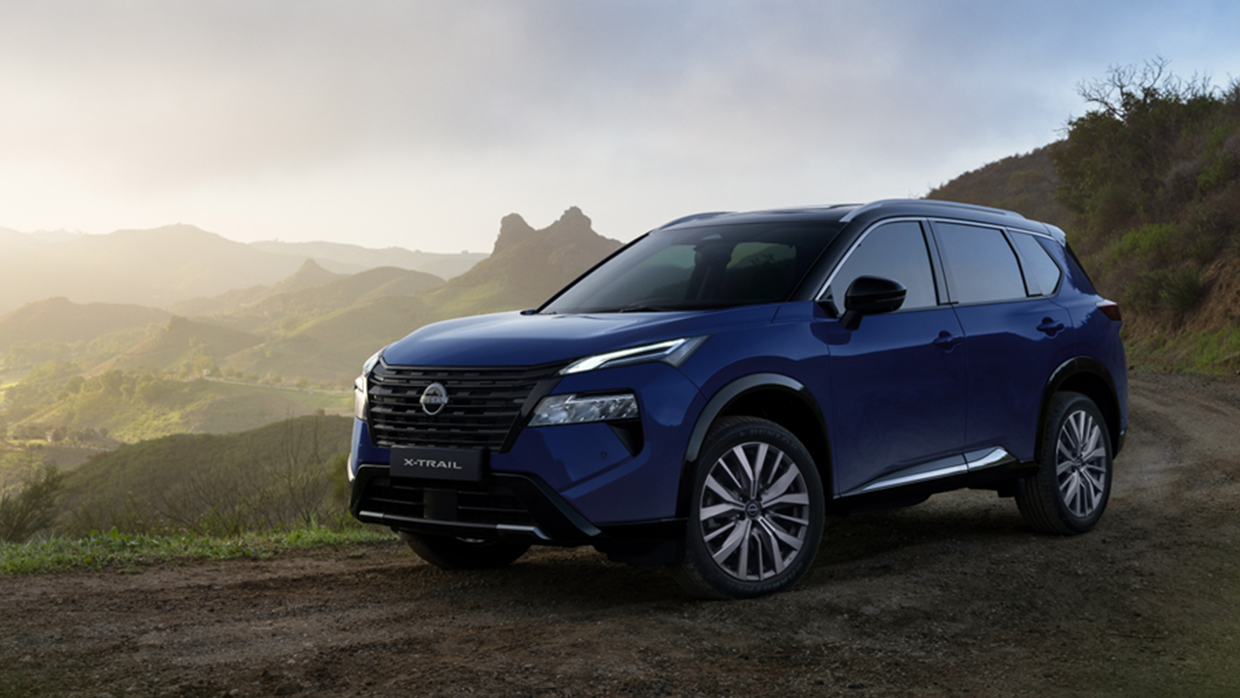
The bulk of automobile makers, then again, now provide a mighty vary of hybrid autos that have exploded in recognition in fresh years owing to their efficiency and plugless convenience.
There are some technical exceptions, a lot like Nissan’s ‘e-Energy’ abilities, which is an electrical-force machine that makes use of the petrol engine as a generator most attention-grabbing to recharge the automobile’s battery.
Consultants:
- Improved gas efficiency largely in urban riding: Hybrids are most attention-grabbing at saving gas in metropolis and urban areas with high traffic, because the electrical motor is functionally most environment friendly in low-scurry riding. Therefore the more the electrical motor is powering the automobile whereas riding at lower speeds, the additional the riding vary will likely be prolonged on one tank of gas.
- Zero charging distress: Unlike a PHEV or EV there is just not any need to scuttle for your hybrid to tag the battery. ‘Self-charging’ hybrids regain their title from their potential to stock up their batteries all the device thru riding – by the petrol or diesel engine acting as a generator, and by regenerative braking. Regen braking is the route of of vitality being fed benefit into the battery when braking or lifting off the accelerator pedal.
- Reduced running prices beyond gas: When the regenerative braking machine is mature to sluggish the automobile and recharge the battery, it reduces wear and journey on the brake pads for the reason that physical braking machine is being mature less. This reduces how continuously they’ll get replaced at servicing intervals.
- Efficiency boost: Electric motors ship their maximum torque from zero rpm, combining with the combustion engine to present hybrids solid acceleration.
Cons:
- Motorway riding isn’t transformative: Historically, self-charging hybrids haven’t returned efficiency advantages at bigger scurry, a lot like parkway riding, for the reason that petrol engine is doing your entire heavy lifting.
- Very restricted electrical vary: The battery in a identical previous self-charging hybrid is somewhat small, which limits electrical-most attention-grabbing riding to low speeds and quick periods of operation.
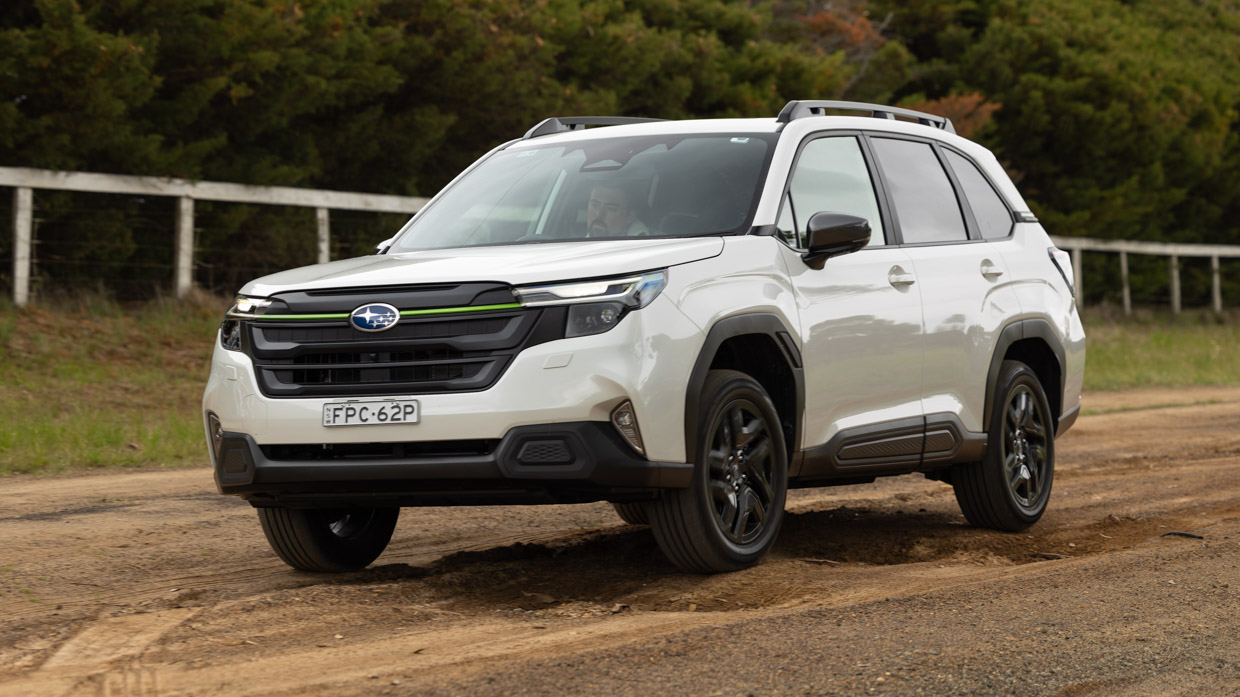
- Reduced cargo state and no spare: A hybrid’s battery machine is in total positioned in direction of the rear of the automobile, recurrently compromising boot state when compared with a petrol-most attention-grabbing version of the identical automobile. This in total creates another downside: a tyre repair kit as a substitute of a spare tyre.
- Greater aquire tag: Hybrid models can tag between $3000-$8000 bigger than its petrol counterparts within the identical model vary. It is going to steal several years to recoup the value top rate on the preliminary funding per the gas savings on my own.
PLUG-IN HYBRID VEHICLES (PHEVs)
Whereas you’re no longer ready to fully decide to an electrical automobile, a scuttle-in hybrid electrical automobile (PHEV) is the heart ground between a gentle hybrid and an EV.
PHEVs intention bigger battery packs than self-charging hybrids, allowing for a more well-known electrical-most attention-grabbing riding vary whereas serene combining force with a petrol engine for prolonged mixed vary.
Consultants:
- Valid electrical-most attention-grabbing riding: PHEVs in total provide between 50-100km of pure electrical riding, with many now starting to present bigger than 100km. For many Australian drivers, that without wretchedness covers the day-to-day commute to the state of job and benefit, which methodology you would perchance perchance perhaps no longer steadily ever search the recommendation of with a petrol station if you’re charging on a fashioned basis at dwelling.
- Reduced brake wear: Honest take care of self-charging hybrids, PHEVs cash in on regenerative braking, therefore extending the lifetime of brake pads.
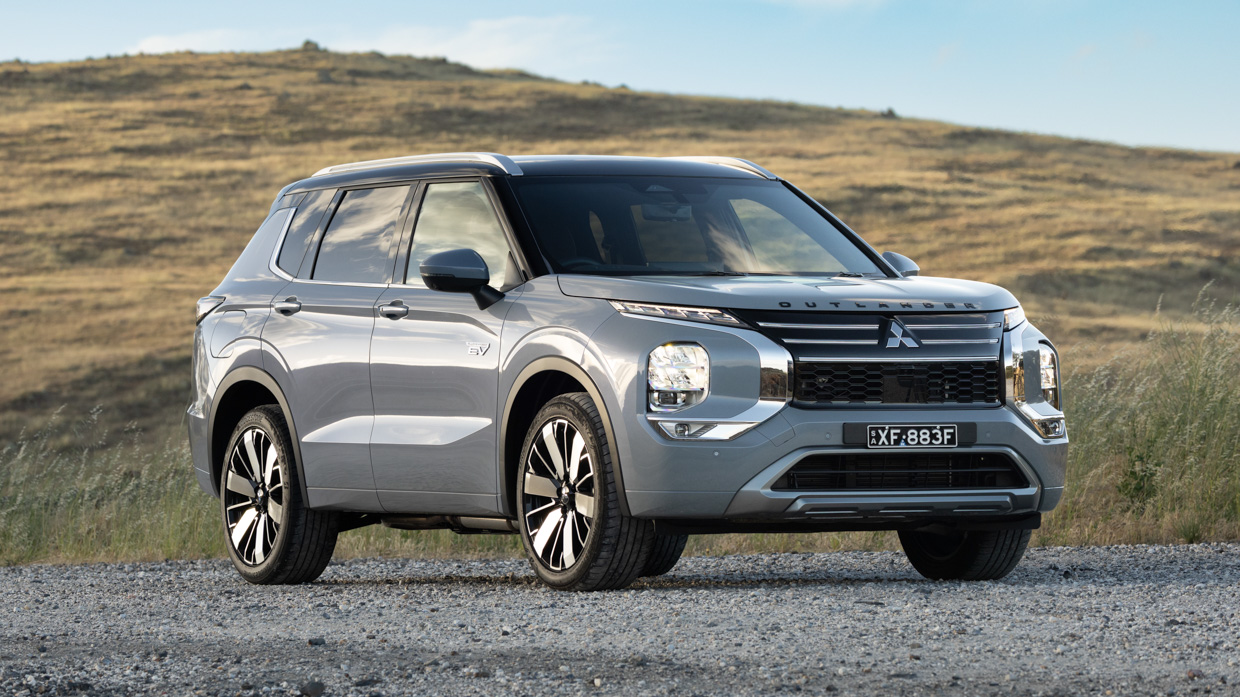
- Greatly decreased vary terror: PHEV homeowners don’t need to horror about their automobile’s battery running out and leaving them stranded. As soon as the battery reaches a clear level, the powertrain will use the petrol (or diesel) engine predominantly. The mix of battery vary and tank vary give PHEVs about a of the longest theoretical riding ranges (without the need to pause).
- Greatly decreased gas consumption: Whereas you’re diligent about charging your PHEV, and running it largely on the electrical motor, unswerving figures are in total within the 1.0-2.0L/100km bracket, steadily no longer up to 1.0L/100km
Cons:
- Immense weight extend: The addition of a monumental battery and motor assembly to a automobile already carrying an interior combustion engine in total has a detrimental originate on each efficiency and handling.
- Compromised packaging: A PHEV’s monumental battery is in total positioned both below the rear seats or below the boot ground, which might respectively compromise rear-seat state and cargo capability. As with fashioned hybrids, tyre repair kits are identical previous in lieu of a spare tyre. And heaps models on hand as seven-seaters in ICE plan most attention-grabbing provide 5 seats in PHEV plan.
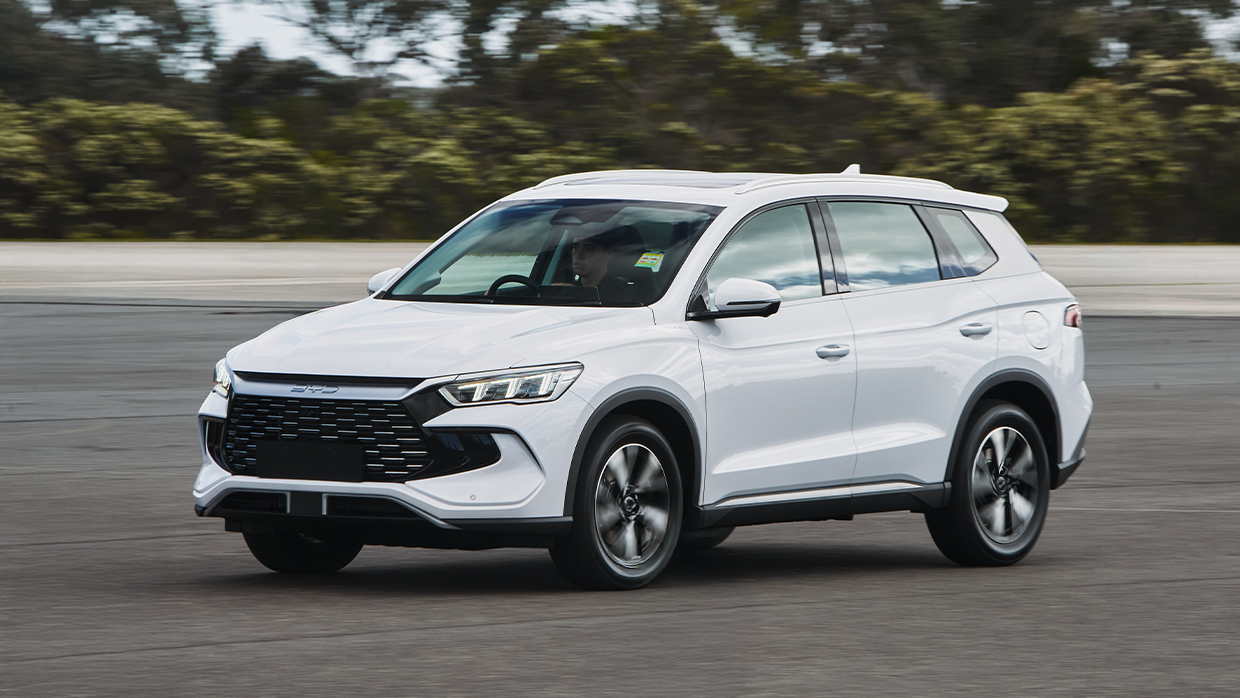
- Inefficient on low battery: With out a sufficiently charged battery, a PHEV becomes a somewhat inefficient hybrid automobile running largely on petrol or diesel on my own. And because a PHEV is in total heavier than a fashioned hybrid, gas consumption can climb markedly.
- Exiguous electrical vary: Whereas the EV riding ranges of scuttle-in hybrid autos proceed to enhance, they are serene considerably shorter than the distances offered by fully electrical autos. They require valuable more frequent recharging to journey the advantages of EV-most attention-grabbing riding.
- Greater aquire tag: PHEVs are in total more costly again than fashioned hybrids. Whereas diligent recharging can acceleration gas savings, the payback interval can serene be prolonged.
ELECTRIC VEHICLES (EVs)
Completely electrical autos dispense completely with combustion engines to be powered purely by a (gigantic) battery.
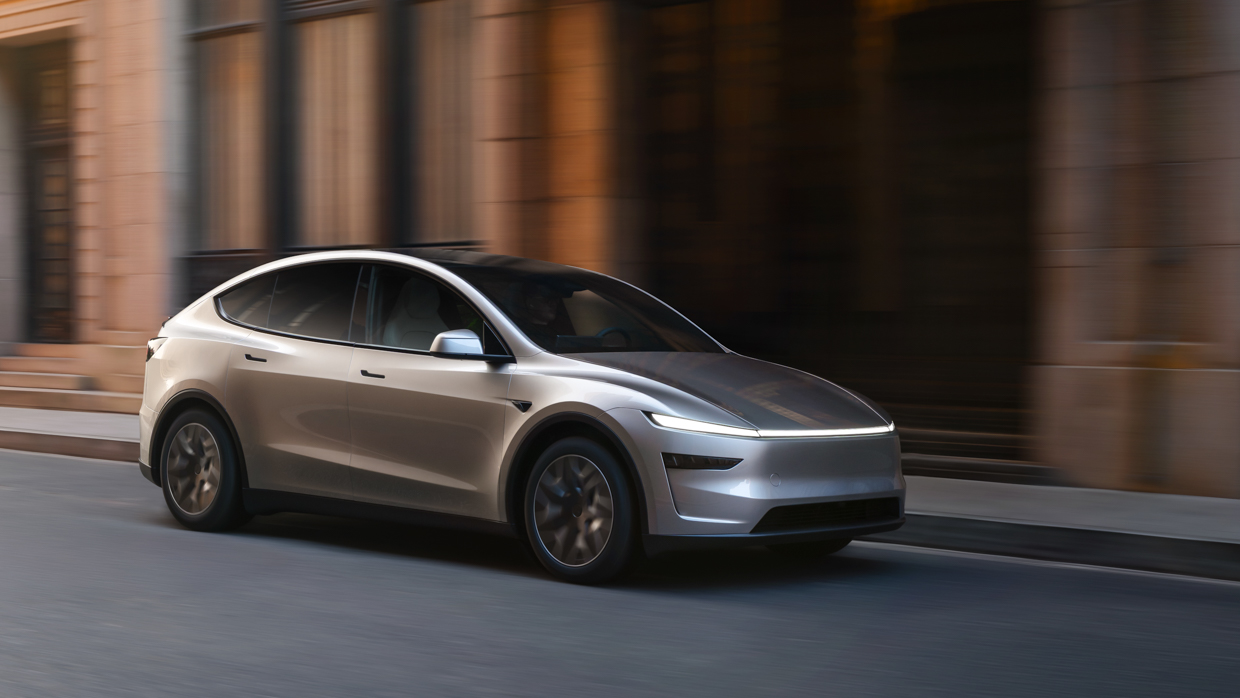
Most contemporary EVs utilise a ‘skateboard’ battery platform, where a monumental battery is integrated low down within the chassis.
They’re in total powered by both a single motor or dual motors. Single-motor EVs are both entrance-wheel or rear-wheel force and in total provide a longer vary when compared with the identical model that makes use of dual motors. Dual-motor EVs are all-wheel force and in total the quickest models.
Grand batteries are crucial for turning in longer distances without the need to recharge, though automobile makers proceed to search out ways of scared batteries whereas also bettering vitality density.
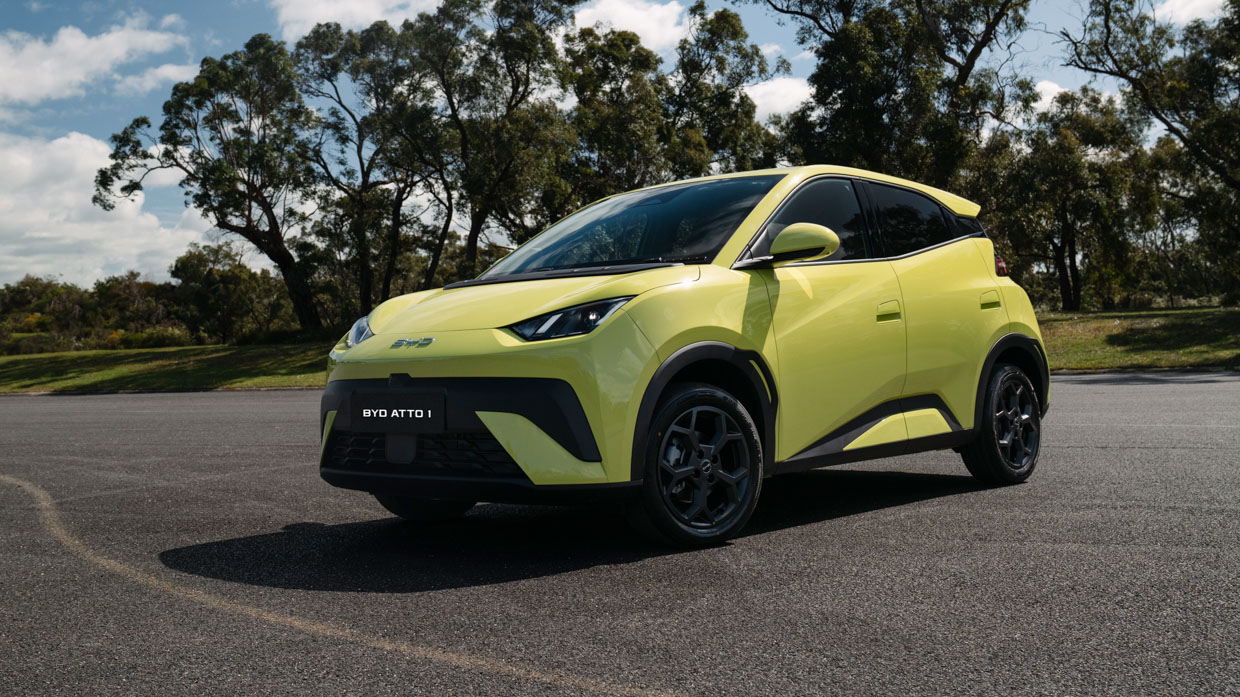
The bulk of EVs provide between 400 and 500km of battery vary, with some claiming bigger than 700km on a full battery. Some manufacturers are closing in direction of ranges of 1000km.
Most EVs take a seat on 400-volt platforms, though basically the most evolved electrical autos use an 800-volt structure that allows faster recharging times.
Consultants:
- Lower running prices: Electricity might perchance also be considerably more inexpensive than petrol or diesel (and that became as soon as earlier than the serene gas-tag direct!). Whereas you recharge all the device thru off-peak hours, and/or you have gotten characterize voltaic panels, then prices are additional decreased.
Charging at dwelling will in total tag around 25–35 cents per kWh (15–20 cents off-peak), averaging around $15–$25 to fully tag a gentle 70kWh battery.
Charging your EV at a charging station is serene more inexpensive than filling up an ICE automobile at your native petrol station.
At the time of writing, as an illustration, a DC like a flash charging station take care of Chargefox prices between $0.30-$0.59/kWh, costing $21-$42 for a 70kWh.
- Minimal servicing requirements: Electric autos have a long way fewer moving formula than their combustion engine counterparts. With out the need to trade engine oil and tinker within the engine, servicing intervals are in total longer and are in total no longer as costly. Brake pads in total final longer thanks to regenerative braking.
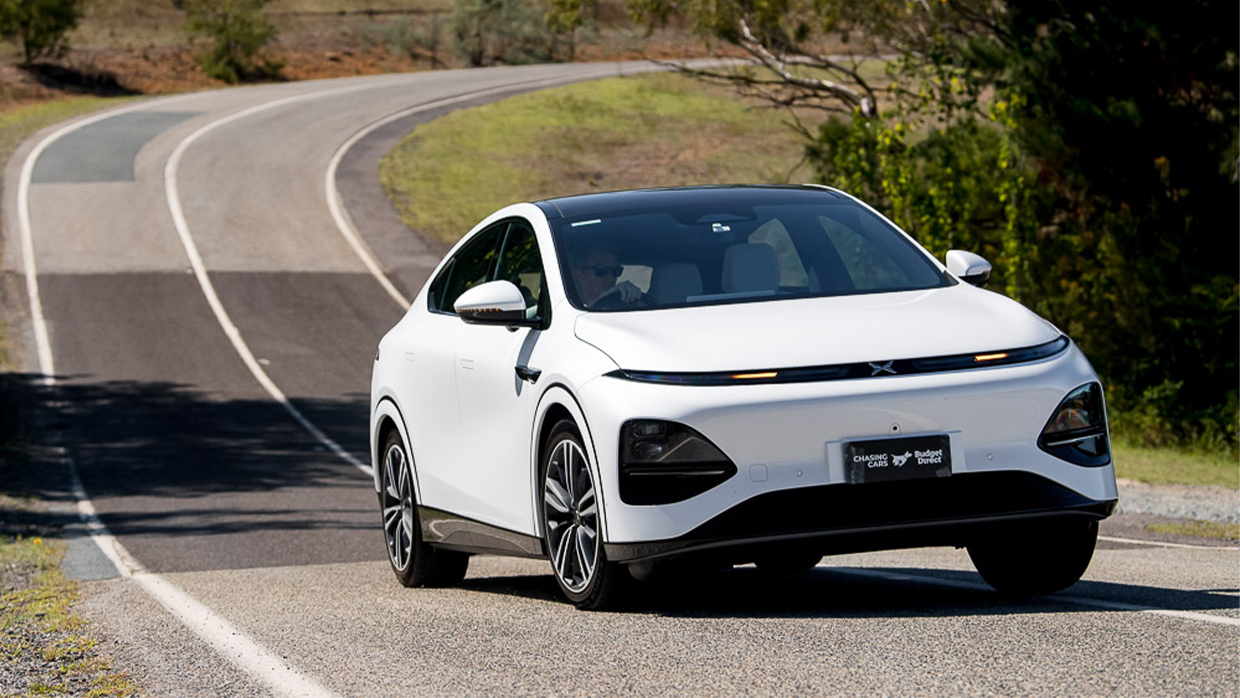
- Zero exercise emissions: EVs manufacture no exercise emissions, making them better for air quality, especially in urban areas.
- Tender, like a flash and serene efficiency: Electric motors ship instantaneous torque from zero RPM, turning in quick response and linear acceleration. Many EVs are remarkably like a flash, especially these that comprises dual motors. The absence of a combustion engine also makes the riding journey valuable quieter.
- Dwelling charging convenience: In case your EV is ‘running on empty,’ there is just not any need to horror about finding the next closest petrol station, or leaving for work extra early to regain gas for your device into the state of job. For these with off-avenue parking, correct scuttle-in if you regain dwelling to stock up your depleted battery.
Cons:
- Exiguous and inconsistent charging infrastructure: Whereas you don’t have the flexibility to tag your EV at dwelling, when and where you tag wants careful consideration.
Whereas charging infrastructure in Australia is bettering, it stays somewhat restricted – especially outdoors of cities. There are smartphone apps dedicated to charging station locations, though they don’t always keep in touch if they are out of listing.
Charging bays are in total restricted and might perchance also be busy, enforcing a wait earlier than you even steal recharging time into yarn.
- Vary terror on prolonged journeys: Whereas the riding vary on EVs continues to enhance – such because the Tesla Mannequin 3 Long Vary that claims a distance of up to 750km – the aforementioned infrastructure limitations methodology EV drivers can serene regain anxious about running out of battery and being left stranded somewhere.
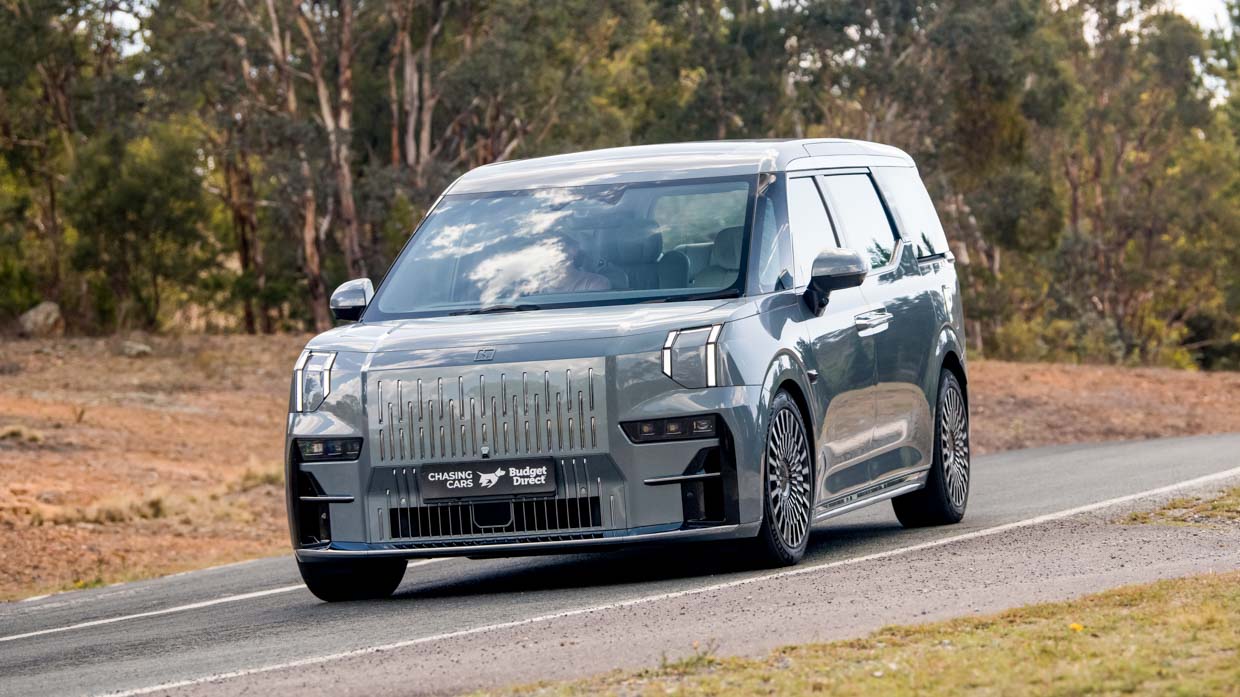
- Charging time: If it takes 5 minutes or less to uncover a petrol or diesel automobile, even the quickest-charging EVs steal near to 20 minutes to prime up a battery from 10 to 80 percent.
- Excessive depreciation charges: EVs have historically skilled bigger depreciation charges when compared to their petrol opponents. Whereas you plan to private your EV for a range of efficient a couple of years earlier than promoting it, here’s a consideration. On the flipside, this makes shopping a 2d-hand EV valuable more inexpensive.
Source credit : chasingcars.com.au