
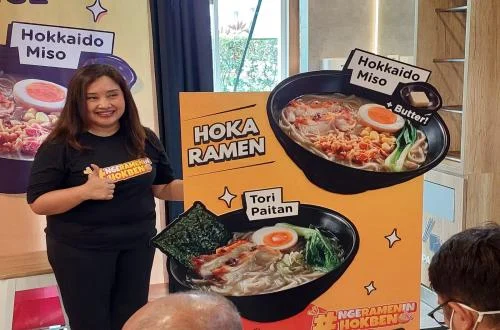
The Indonesian fast-food landscape has witnessed a significant evolution in recent years, as established brands pivot toward diversifying their menus to capture shifting consumer interests. PT Eka Bogainti, the parent company of the prominent Japanese-inspired restaurant chain HokBen, officially announced the launch of its latest culinary offering, Spicy Ramen, on Tuesday, February 14, 2023. This new addition is part of the "Hoka Ramen" series, a product line that was first introduced in late 2022 to broaden the brand’s reach beyond its traditional bento-style offerings. The introduction of the Spicy Ramen variant is specifically designed to cater to the widespread local preference for bold, piquant flavors, marking a strategic move to solidify HokBen’s position in the competitive ramen market in Indonesia.
The Spicy Ramen features a robust chicken-based broth infused with a proprietary blend of spices to deliver a heat level that resonates with the Indonesian palate. Each serving is meticulously assembled with a variety of traditional and localized toppings, including chicken chasiu (thinly sliced braised chicken), ni tamago (a seasoned soft-boiled egg), pakcoy (Chinese cabbage), green onions, and wood ear mushrooms (jamur kuping). To accommodate different appetites and price points, HokBen has introduced the dish in two sizes: a Regular portion priced at Rp 38,000 and a Large portion available for Rp 48,000. These price points reflect the company’s strategy of providing premium-style Japanese cuisine at an accessible mid-range level, ensuring the product remains competitive against both high-end ramen boutiques and lower-priced street food alternatives.
The Strategic Evolution of HokBen’s Menu
The launch of Spicy Ramen is not an isolated event but rather the latest milestone in a calculated expansion strategy that began in the fourth quarter of 2022. Historically known as Hoka Hoka Bento, the brand underwent a significant rebranding in 2013 to become HokBen, a move aimed at modernizing its image and simplifying its identity. While the brand built its reputation on fried delicacies like Ekkado, Egg Chicken Roll, and Teriyaki beef, the leadership team identified a growing demand for noodle-based dishes, which have become a staple of the Indonesian urban diet.
In late 2022, the company took its first major step into the ramen category by launching the Hoka Ramen line, which initially featured two distinct variants: Hokkaido Miso Ramen and Tori Paitan Ramen. The Hokkaido Miso Ramen offered a rich, fermented soybean paste base, while the Tori Paitan provided a creamy, savory white chicken broth. These initial offerings served as a litmus test for the brand’s ability to compete in the ramen sector. Following positive consumer feedback and high sales volumes for the initial variants, the development of Spicy Ramen became the logical next step in the product’s lifecycle.
Francisca Lucky, the General Manager of Marketing at PT Eka Bogainti, emphasized that the decision to introduce a spicy variant was driven by extensive market research. "This spicy flavor variant was inspired by the taste preferences of the majority of Indonesian people who love spicy flavors in their daily menus," Lucky stated during the press briefing in Jakarta. She further noted that the addition of Spicy Ramen completes the Hoka Ramen lineup, providing a comprehensive range of flavor profiles—from savory and creamy to bold and spicy—thereby ensuring that the brand can satisfy a diverse array of customer cravings.
Cultural Context: The Indonesian Affinity for Spice
To understand the significance of this product launch, one must look at the broader cultural and culinary context of Indonesia. Spicy food is not merely a preference in the archipelago; it is a fundamental component of the national identity. From the various types of sambal (chili paste) found across different provinces to the "pedas mampus" (deathly spicy) food challenges that frequently go viral on social media, the Indonesian consumer has a high tolerance and a constant craving for heat.
Market data suggests that food products with a "spicy" label often see higher engagement and faster adoption rates in the Indonesian market compared to milder alternatives. By integrating this local preference into a traditionally Japanese dish like ramen, HokBen is practicing a form of "glocalization"—adapting a global product to suit local tastes. This strategy reduces the barrier to entry for consumers who might find authentic Japanese flavors too subtle or unfamiliar. The Spicy Ramen serves as a bridge between the sophisticated techniques of Japanese noodle making and the aggressive flavor profiles favored by the local population.
The Fast Food Landscape and Competitive Analysis
The Indonesian Food and Beverage (F&B) sector has shown remarkable resilience in the post-pandemic era. As of early 2023, the industry has seen a resurgence in dine-in traffic, complemented by a robust delivery ecosystem. HokBen’s move into the ramen market places it in direct competition with specialized ramen chains such as Ippudo and Marugame Udon, as well as local favorites like Ichiban Sushi and Ramen Ya!.
However, HokBen possesses a unique competitive advantage: its massive footprint and established brand loyalty. With hundreds of outlets spread across the Indonesian archipelago, HokBen can offer a "ramen experience" to suburban and secondary-city populations that may not have access to high-end Japanese restaurants. Furthermore, HokBen’s reputation for Halal certification is a critical factor in a country with the world’s largest Muslim population. By ensuring that its ramen—including the Spicy Ramen—meets strict Halal standards, the company maintains trust with its core demographic, a feat that some international ramen chains struggle with due to the traditional use of pork in authentic ramen recipes.
The pricing strategy for Spicy Ramen—ranging from Rp 38,000 to Rp 48,000—positions it as an affordable luxury. In the current economic climate, where inflation has impacted consumer spending power, providing a high-quality, "juicy" and flavorful meal for under Rp 50,000 is a significant draw for the middle-class segment, including students and office workers.
Technical Quality and Ingredient Sourcing
A key component of HokBen’s marketing for the Hoka Ramen series is the emphasis on quality and authenticity. The company claims that the ingredients used in Spicy Ramen are of premium grade, processed with specialized techniques to ensure that the flavors penetrate deep into the protein and noodles. The "juicy" texture of the chicken chasiu and the precise "ni tamago" (soft-boiled egg with a jammy yolk) are highlights intended to mimic the quality found in artisanal ramen shops.
The development process for the Spicy Ramen involved rigorous taste-testing to ensure that the heat of the broth did not overwhelm the underlying umami of the chicken stock. The result is a balanced dish where the wood ear mushrooms provide a crunchy texture, the pakcoy adds a fresh bitterness, and the spicy broth provides the lingering warmth that Indonesian diners expect. This attention to detail is part of HokBen’s broader mission to move beyond the "fast food" label and be recognized as a provider of high-quality Japanese cuisine.
Chronology of Product Development
The timeline of HokBen’s transition into a multi-category Japanese eatery can be summarized through its recent menu innovations:
- Pre-2013: Focus on traditional Bento sets (Teriyaki, Yakiniku, and fried items).
- 2013-2021: Rebranding to "HokBen" and expansion of side dishes, snacks, and beverage options to attract a younger demographic.
- Late 2022: The official launch of "Hoka Ramen" with Hokkaido Miso and Tori Paitan variants, marking the brand’s first serious foray into the noodle market.
- February 14, 2023: The launch of Spicy Ramen, timed to coincide with Valentine’s Day—a peak period for the F&B industry—offering a new choice for couples and families dining out.
This chronology demonstrates a deliberate and phased approach to menu diversification. Rather than launching a dozen variants at once, HokBen has opted to master a few key flavors, ensuring supply chain stability and consistent quality across its vast network of stores.
Broader Economic Impact and Future Outlook
The expansion of menu items like Spicy Ramen has broader implications for the Indonesian economy, particularly in the agricultural and logistics sectors. Increased demand for ingredients such as pakcoy, green onions, and chili peppers benefits local farmers who supply the F&B industry. Moreover, the diversification of the menu helps HokBen maintain high transaction volumes, which in turn supports job security for its thousands of employees across Indonesia.
As the F&B industry continues to evolve, industry analysts predict that more "generalist" fast-food brands will follow HokBen’s lead by incorporating "specialist" items like ramen or sushi into their permanent menus. This trend towards "one-stop Japanese dining" allows consumers to satisfy different cravings in a single location, which is particularly appealing for families or groups with varying tastes.
Looking forward, PT Eka Bogainti appears committed to further innovation. The success of the Spicy Ramen variant is likely to encourage the company to explore other regional Japanese flavors or perhaps even seasonal limited-time offers. For now, the Spicy Ramen stands as a testament to HokBen’s ability to listen to its customers and adapt its heritage to meet the spicy demands of the modern Indonesian palate. By blending Japanese culinary tradition with Indonesian flavor expectations, HokBen has not only enriched its menu but also strengthened its cultural relevance in the hearts—and stomachs—of its loyal patrons.