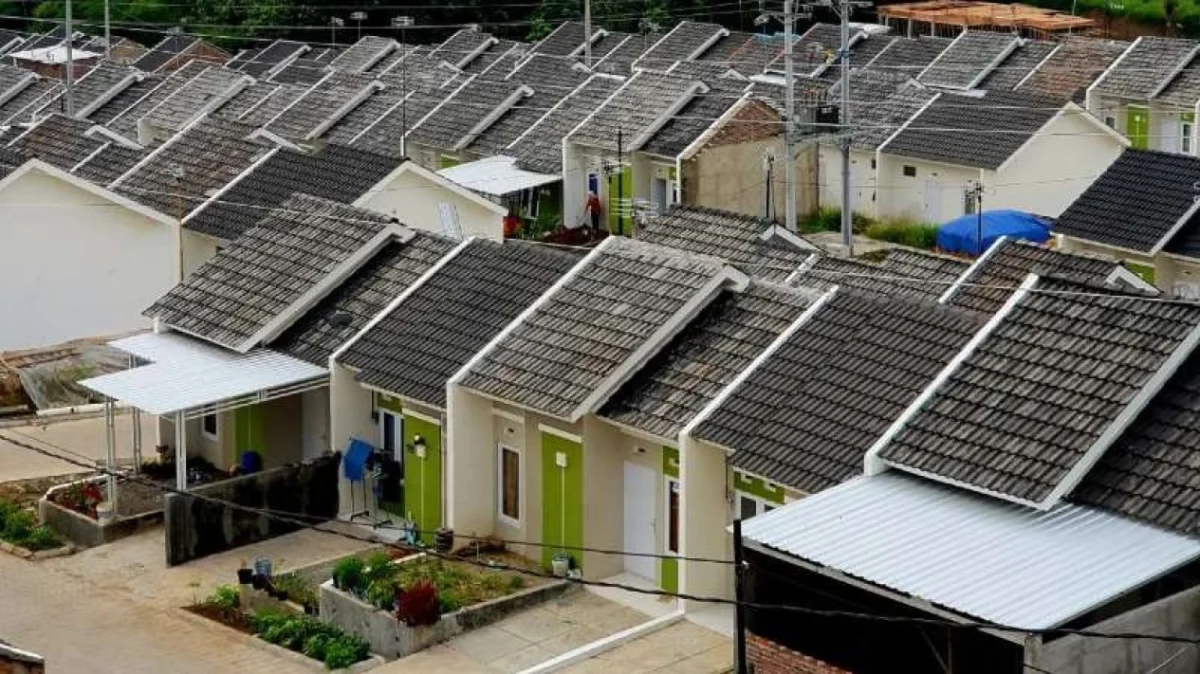
The Indonesian property sector is currently facing a critical call for enhanced transparency and accountability following a growing dispute involving Alfarez Residence 5 and the Tahfidz Land project in Bandung, West Java. Hundreds of consumers have expressed deep frustration as they grapple with the reality that their long-awaited housing investments remain stalled, with some projects showing little to no development despite years of payments and promises. This situation has ignited a broader conversation regarding the regulatory oversight of property developers and the ethical responsibilities of those who market residential units under religious or ethical labels.
For many buyers, the dream of homeownership has turned into a protracted legal and financial nightmare. Anggara, a representative of the affected consumers, stated that the current state of the project site is nothing more than vacant land. Despite being marketed as a premium residential development with a unique “Sharia-compliant” branding, the physical infrastructure expected by buyers is nowhere to be seen. The lack of visible construction, combined with a breakdown in communication between the developer and the buyers, has left hundreds of families in a state of uncertainty, demanding immediate answers regarding the status of their investments and the legal standing of the land involved.
Chronology of Stalled Development
The issues surrounding Alfarez Residence 5 and Tahfidz Land did not emerge overnight. Based on reports from affected buyers, the project was launched with high expectations, promising a seamless transition from deposit to construction. However, the timeline of development has been marked by persistent delays. While the project was marketed with the allure of a six-year development cycle, the reality on the ground has failed to align with the initial project blueprints.
By September 2026, the silence from the developer’s management team reached a breaking point. Consumers reported that established channels of communication—including customer service hotlines, project update portals, and direct messaging lines—had been rendered inaccessible. This digital blackout has prevented investors from obtaining updates on their specific units, leading to widespread speculation about the financial viability of the developer and the actual status of the land titles.
The Transparency Gap in Property Development
The core of the consumer grievance lies in the lack of transparency regarding three critical pillars: physical progress, legal status, and financial management. In the Indonesian property market, the “Pre-Project Selling” model is common, where developers sell units before construction is completed. While this is a standard industry practice, it relies heavily on the trust between the developer and the buyer. When that trust is broken, the consequences for consumers are devastating.
Industry experts note that legal clarity is the most significant hurdle in such disputes. Many consumers are unaware of whether the land being marketed is legally ready for development—meaning all necessary permits, such as the Site Plan (Rencana Tapak) and the Building Construction Permit (PBG/IMB), have been secured. Without these, a developer cannot legally commence construction. The confusion surrounding Alfarez Residence 5 and Tahfidz Land suggests a potential breakdown in these pre-construction requirements, leaving investors with contracts for property that may not even have the legal clearance to be built.
Ethical Considerations of Sharia-Branded Projects
A particularly sensitive aspect of this dispute is the use of “Sharia” marketing terminology. By positioning their projects as Sharia-compliant, developers often attract a specific demographic of consumers who value ethical financial dealings, transparency, and the prohibition of usury (riba). However, when a project fails to deliver, the invocation of these values often compounds the sense of betrayal among buyers.
Consumers are now calling for the implementation of the very values that were used to sell the properties: amanah (trustworthiness), shiddiq (truthfulness), and mas’uliyah (accountability). For these buyers, the ethical label should not be a mere marketing gimmick but a guiding principle for project management. The failure to provide updates or return funds is viewed by many as a direct contradiction to the principles of Islamic business ethics, which emphasize the protection of the consumer’s rights and the necessity of honest disclosure regarding financial and operational risks.
Regulatory and Economic Implications
The situation in Bandung serves as a stark warning for the national property market. The government, through bodies such as the Ministry of Public Works and Housing (PUPR) and the local provincial administration, is under increasing pressure to tighten supervision of property developers. Current regulations require developers to be transparent, yet enforcement remains a challenge.
From an economic perspective, the failure of such projects affects more than just the individual buyers. It erodes public confidence in the real estate sector, potentially slowing down investment in residential properties across the region. When large-scale developments stall, it can lead to liquidity crises for the developer, creating a ripple effect that impacts contractors, suppliers, and financial institutions involved in the project’s financing.
Analysts suggest that potential homebuyers should conduct a "Due Diligence" process before committing to any property purchase. This includes verifying the developer’s track record, inspecting the physical progress of the project, and, most importantly, verifying the legal status of the land at the local National Land Agency (BPN). Furthermore, legal experts advise that consumers should insist on reviewing the "Perjanjian Pengikatan Jual Beli" (PPJB) to ensure that their rights are clearly defined and that there are clauses protecting them in the event of project abandonment.
The Call for Accountability
As of late September 2026, the pressure on management—with names like Ilham Sunaryanto being linked to the decision-making process—is mounting. Consumers are demanding a public forum or an official statement that addresses the following:
- Status of Land Legality: Proof that the land is free from disputes and fully owned or controlled by the developer with clear permits.
- Financial Transparency: A detailed report on how the funds collected from consumers have been utilized and why those funds have not translated into physical development.
- Project Timeline: A realistic, binding schedule for the completion of construction or, alternatively, a transparent plan for the refund of investments to those who wish to withdraw.
- Restoration of Communication: The immediate reopening of customer support channels to address the individual concerns of the hundreds of affected families.
The situation remains fluid, and the lack of a proactive response from the developer is only fueling the narrative that the project may be beyond recovery. For the hundreds of families involved, the wait has exceeded the bounds of patience. As they continue to push for legal intervention and formal inquiries, the case of Alfarez Residence 5 and Tahfidz Land stands as a poignant reminder of the vulnerabilities inherent in the property market and the urgent need for a more robust regulatory framework that protects the interests of ordinary citizens against corporate negligence.
Ultimately, the resolution of this conflict will depend on the willingness of the parties involved to engage in honest dialogue. Without a clear path forward, the reputations of the developers will likely be permanently tarnished, and the consumers will be forced to seek justice through the court system, further prolonging the ordeal. The industry as a whole is watching, as this case highlights the necessity of shifting the paradigm in property development from a culture of unchecked growth to one of institutional integrity and consumer protection.