The strategic push toward renewable energy adoption in Indonesia has reached a significant milestone with recent regulatory advancements concerning the Mount Ungaran Geothermal Working Area in Central Java. Academic experts and energy authorities alike have underscored the multifaceted advantages of harnessing this natural resource, pointing not only to its critical role in reducing carbon emissions and improving environmental quality, but also to its profound capacity to stimulate regional economic growth and empower local communities. As the government accelerates efforts to diversify the national energy matrix and move away from fossil-fuel dominance, initiatives such as the Mount Ungaran Geothermal Power Plant (PLTP) project exemplify the convergence of ecological responsibility and sustainable socio-economic development.
Environmental Advantages and Low-Emission Profile of Geothermal Energy
In the contemporary landscape of global climate action, the transition toward clean and renewable energy sources is no longer optional; it is an absolute necessity for mitigating the worst impacts of global warming. Within this framework, geothermal energy stands out as one of the most reliable, baseload-capable green energy alternatives available. Yoga Aribowo, an academic and geological engineering expert from Diponegoro University (UNDIP), has recently emphasized that the progressive integration of geothermal power plants into Indonesia’s national energy mix yields profound positive impacts on overall environmental health.
According to Aribowo, expanding the operational capacity of geothermal infrastructure directly contributes to the preservation of air, water, and marine ecosystems. Unlike fossil fuel-based generation methods—such as coal-fired power plants, which release massive quantities of greenhouse gases, sulfur dioxide, and particulate matter into the atmosphere—geothermal energy operates on a fundamentally cleaner mechanism. The emissions profile of a typical geothermal power plant is remarkably low. Carbon dioxide emissions generated by geothermal processes average approximately 100 grams per kilowatt-hour (kWh), while hydrogen sulfide emissions remain strictly below 1 gram per kWh. These figures demonstrate that geothermal technology offers a highly compatible solution for countries striving to meet their nationally determined contributions under international climate agreements.
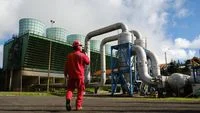
The operational mechanics of geothermal energy further reinforce its environmental sustainability. Geothermal power systems tap into naturally occurring underground reservoirs of hot water and steam trapped thousands of meters beneath the Earth’s surface. Crucially, the water utilized in these systems is distinct from shallow groundwater aquifers tapped by local residential water wells, thereby eliminating the risk of depleting or contaminating community water supplies. Furthermore, once the thermal energy of the extracted fluid has been harnessed to drive turbine generators, the fluid is safely and systematically returned to the deep reservoir through a specialized reinjection process. This closed-loop approach ensures that subsurface pressure is maintained, natural resources are conserved, and long-term environmental equilibrium is preserved.
Economic Catalysts and Community Empowerment at the Local Level
Beyond its clear ecological merits, the development of major energy infrastructure projects serves as an immediate catalyst for regional economic transformation. The approval and upcoming construction of the Mount Ungaran geothermal facility are projected to inject substantial economic vitality into the surrounding districts of Central Java. Experts note that large-scale engineering projects of this magnitude inherently generate a diverse array of employment opportunities, spanning both direct technical roles and indirect commercial support services.
During the preparatory and construction phases, a surge in demand for local labor naturally occurs. Skilled and unskilled workers alike find employment in civil works, pipeline installation, transportation, and facility maintenance. Moreover, the influx of project personnel stimulates secondary economic activities within nearby villages and townships. Local micro, small, and medium-sized enterprises—including family-owned restaurants, grocery stores, transport service providers, and boarding houses—stand to benefit directly from the increased purchasing power and daily needs of project workers.
This symbiotic relationship between large-scale energy developers and local communities is frequently formalized through targeted Corporate Social Responsibility (CSR) programs. By strategically aligning community development initiatives with regional needs—such as infrastructure upgrades, educational support, agricultural assistance, and local capacity-building workshops—developers can ensure that the economic dividends of geothermal extraction are shared equitably among residents. Aribowo highlighted that these socio-economic spillover effects are vital for securing long-term community buy-in and fostering a sense of shared ownership over national strategic projects.
Chronology and Regulatory Milestones for Mount Ungaran
The realization of the Mount Ungaran geothermal project is the culmination of rigorous administrative planning, geological assessments, and high-level regulatory decisions. The formal impetus for the project advanced significantly when the Ministry of Energy and Mineral Resources (ESDM) officially granted its administrative approval to state-owned electricity enterprise PT PLN (Persero) to spearhead development within the Mount Ungaran Geothermal Working Area (WKP).
This pivotal authorization was formalized through the issuance of a dedicated Ministerial Decree (SK) granting geothermal licensing rights to PLN. The official announcement was made public by Eniya Listiani Dewi, the Director General of New, Renewable Energy and Energy Conservation (EBTKE) at the Ministry of ESDM. Speaking during the prestigious Indonesia International Geothermal Convention & Exhibition held in Jakarta, Dewi detailed the distribution of newly approved geothermal permits. Alongside the allocation of the Mount Ungaran working area to PLN, the ministry also awarded the Telaga Ranu geothermal working area to PT Telaga Ranu Geothermal.
The issuance of these decrees marks a crucial transition from exploratory designation to active project execution. Over the preceding years, preliminary geological, geochemical, and geophysical surveys had been conducted to map the subsurface potential of the Mount Ungaran region. With the legal framework now established and executive licenses secured, PLN is positioned to move forward with detailed engineering designs, Environmental Impact Assessments (AMDAL), and subsequent infrastructure deployment phases, paving the way for eventual commercial operation.
National Energy Landscape and Untapped Geothermal Potential
To contextualize the strategic importance of the Mount Ungaran project, one must examine Indonesia’s broader energy landscape and its vast, yet largely underutilized, renewable resource endowment. Indonesia sits along the geological formation known as the Pacific Ring of Fire, a geographic belt characterized by high tectonic activity and volcanic formations. This unique geological setting endows the Indonesian archipelago with some of the largest geothermal energy reserves in the entire world.
According to official statistical data compiled by the Ministry of ESDM, the aggregate national potential for geothermal energy generation stands at an impressive 23,202.77 megawatts (MW). This massive volumetric reserve positions Indonesia as a global powerhouse in renewable energy potential, capable of powering industrial growth and domestic consumption sustainably for generations. However, a stark disparity exists between this theoretical potential and actualized infrastructure.
Current operational data indicates that the total installed geothermal capacity across the Indonesian archipelago has only reached approximately 2,776.39 MW. This figure reveals that an overwhelming 88.4 percent of Indonesia’s total geothermal potential remains untapped and unexploited. The slow pace of geothermal development has historically been attributed to high upfront capital expenditure requirements, complex exploratory risks, regulatory hurdles, and logistical challenges associated with mountainous and remote terrain.
Despite these historical impediments, the central government has intensified its policy support to accelerate renewable energy deployment, aiming to meet national carbon neutrality targets and fulfill international commitments under the Paris Agreement. By empowering state enterprises like PLN to spearhead projects in high-potential regions such as Mount Ungaran, the government seeks to de-risk geothermal exploration and attract broader institutional investment into the clean energy sector.
Broader Implications and Future Outlook for Indonesia’s Energy Transition
The advancement of the Mount Ungaran Geothermal Power Plant project carries significant implications for Indonesia’s broader structural transition toward sustainable energy independence. As global energy markets experience ongoing volatility and the imperative to curb greenhouse gas emissions becomes increasingly urgent, diversifying the domestic power supply through indigenous renewables is a paramount national security and economic priority.
Geothermal energy offers distinct operational advantages over intermittent renewable sources such as solar and wind. While solar and weather-dependent technologies require substantial battery storage systems or backup generation capacity to ensure grid stability, geothermal power plants provide continuous, reliable baseload electricity independent of weather conditions or diurnal cycles. This characteristic makes geothermal energy an ideal backbone for industrial corridors and densely populated urban centers across Java and beyond.
Furthermore, successful execution of projects like Mount Ungaran serves as a vital blueprint for future geothermal developments across the country’s remaining untapped reserves. By demonstrating best practices in environmental management, community engagement, and technical reinjection, developers can alleviate local anxieties regarding environmental degradation and seismic concerns often associated with subsurface industrial activities.
Ultimately, the synergy between academic insights, governmental regulatory backing, and state-backed execution creates a robust foundation for the future of Indonesian renewable energy. As planning transitions into active development at Mount Ungaran, the project stands as a testament to how targeted infrastructure investment can simultaneously address global environmental crises, foster local economic resilience, and secure a sustainable energy future for millions of citizens.