
The climax of the FIFA World Cup 2026 is rapidly approaching, with football powerhouses Spain and Argentina poised to contest a highly anticipated final. This monumental clash, scheduled for the early hours of Monday, July 20th, at 04:00 AM Western Indonesian Time (WIB), will determine the new world champion. The grandeur of MetLife Stadium in New York, United States, will provide the backdrop for what promises to be a historic encounter between two nations steeped in footballing tradition and brimming with current-day talent. Billions of viewers worldwide are expected to tune in, underscoring the tournament’s unparalleled global reach and cultural significance.
The Grand Stage: MetLife Stadium Prepares
MetLife Stadium, a colossal venue renowned for hosting major sporting events and concerts, is set to etch its name into football history as the host of the World Cup 2026 final. Located in East Rutherford, New Jersey, just outside New York City, the stadium boasts a seating capacity exceeding 82,500. Its selection as the final venue highlights the North American co-hosts’ commitment to delivering a world-class experience. The choice of New York, a global melting pot and a city synonymous with grandeur, amplifies the event’s prestige, drawing in an international audience and creating an electrifying atmosphere for the tournament’s ultimate match. Preparations at the stadium have been meticulous, ensuring optimal playing conditions and state-of-the-art facilities for both teams, officials, and the legions of fans who will fill its stands. The event is not merely a football match but a global spectacle, with New York City anticipating a massive influx of tourists, driving significant economic activity across hospitality, retail, and transportation sectors.
Spain’s Dominant Path to the Final
Spain’s journey to the World Cup 2026 final has been characterized by tactical brilliance, fluid attacking play, and defensive solidity. Under the astute guidance of their head coach, La Roja navigated a challenging path, showcasing their renowned tiki-taka philosophy while also demonstrating a newfound clinical edge in front of goal. In the group stages, Spain topped Group C with a perfect record, securing victories against Uruguay (2-0), South Korea (4-1), and Ghana (3-0), accumulating nine points and a robust goal difference. Their dominance continued into the knockout rounds. In the Round of 16, they comfortably dispatched Denmark with a 3-0 victory, showcasing a masterclass in possession and pressing. The quarterfinals presented a sterner test against a resilient German side, but Spain emerged victorious with a hard-fought 2-1 win, a testament to their mental fortitude and individual brilliance. The semifinal clash against defending champions France was billed as a potential classic, and it lived up to expectations. Spain, however, delivered a scintillating performance, overcoming Les Bleus with a decisive 3-1 victory, securing their ticket to the final. Midfielder Pedri, with his exceptional vision and control, has been instrumental in dictating play, while young striker Ansu Fati has emerged as a prolific goalscorer, netting five goals throughout the tournament, including a crucial brace against France. Their defense, marshaled by veteran Sergio Ramos and emerging talent Pau Torres, has conceded only three goals in six matches, highlighting their defensive discipline.
Argentina’s Resilient Journey
Argentina’s road to the final has been a narrative of resilience, individual brilliance, and a collective fighting spirit, culminating in a dramatic semifinal comeback. La Albiceleste began their campaign in Group F, topping it with seven points from victories against Australia (2-0) and Morocco (3-1), and a thrilling 2-2 draw against Portugal. Their attacking prowess was evident, but so too was their penchant for late-game drama. In the Round of 16, they faced a tricky challenge from Mexico, ultimately prevailing 1-0 after a tightly contested match. The quarterfinals saw them overcome a formidable Belgian side 2-0, with Lionel Messi orchestrating much of the attacking play and scoring a magnificent free-kick. The semifinal against England was a true spectacle, a testament to Argentina’s never-say-die attitude. Trailing 1-0 at halftime after an early English goal, Argentina mounted a sensational second-half comeback. Inspired by captain Lionel Messi, who provided a sublime assist, and a goal from striker Lautaro Martinez, they eventually clinched a dramatic 2-1 victory in the dying minutes, sending their passionate fans into raptures and earning their spot in the ultimate match. Messi, at 39, has defied expectations, delivering vintage performances, scoring four goals and providing six assists, proving he remains the heart and soul of the team. Enzo Fernández has anchored the midfield with tenacity and intelligent passing, while Emiliano Martínez has made several crucial saves between the posts. The team’s ability to respond to adversity has been a defining characteristic of their tournament run.
Tactical Showdown: A Clash of Styles
The final promises a fascinating tactical battle between two distinct football philosophies. Spain, under their current coach, is expected to adhere to their possession-based, intricate passing game. Their strength lies in controlling the midfield, suffocating opponents with relentless ball circulation, and patiently waiting for openings. The aim will be to exploit spaces created by Argentina’s aggressive pressing and to neutralize Messi’s influence by denying him service and crowding him out whenever he receives the ball. The midfield trio, likely featuring Pedri, Gavi, and Rodri, will be crucial in dictating the tempo and rhythm of the game.
Argentina, on the other hand, will likely adopt a more direct, counter-attacking approach, leveraging the individual brilliance of Messi, Lautaro Martinez, and Ángel Di María. Their strategy will involve absorbing Spanish pressure, winning the ball back in dangerous areas, and launching swift transitions to expose Spain’s high defensive line. The team’s defensive solidity, coupled with the individual genius of Messi, provides them with multiple avenues to goal. The tactical flexibility of Argentina’s coach, Lionel Scaloni, has been a hallmark of their campaign, and he will undoubtedly have a plan to disrupt Spain’s rhythm and unleash his potent attack. The battle for midfield supremacy will be pivotal, as will the ability of each team’s defense to contain the opposition’s star players.
Key Players to Watch
-
For Spain:
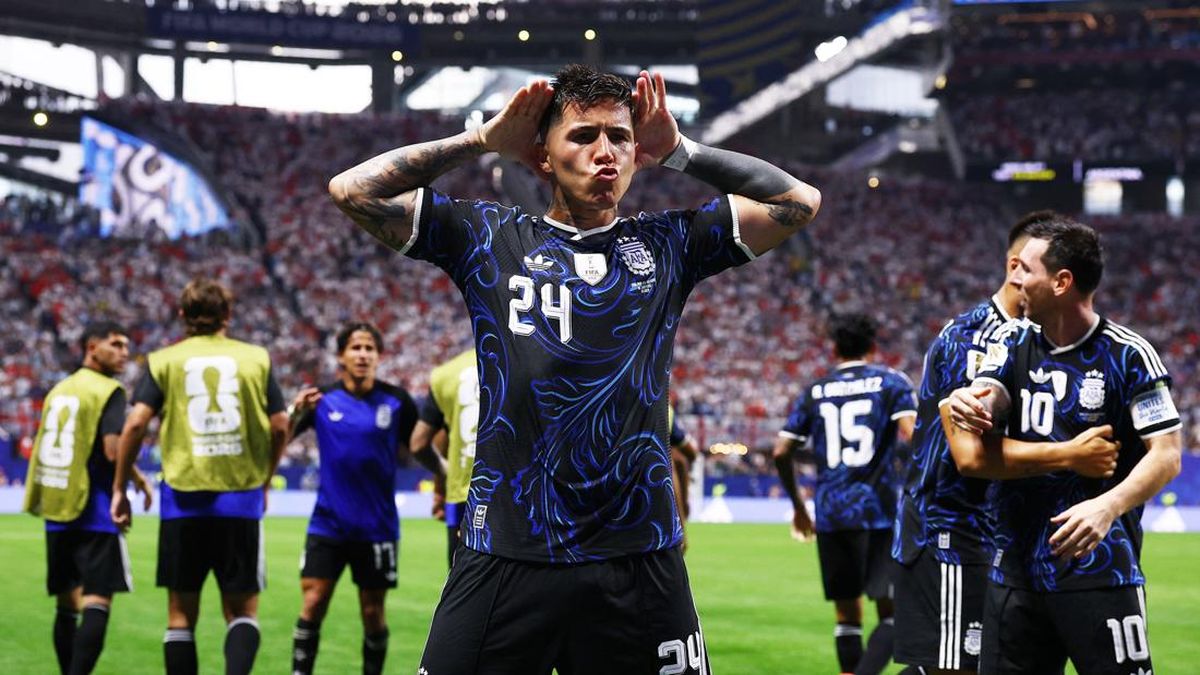
- Ansu Fati (Forward): The young sensation has been a revelation, combining pace, dribbling, and clinical finishing. His ability to create chances out of nothing could be the difference-maker.
- Pedri (Midfielder): The orchestrator of Spain’s attacks, his vision, passing range, and ability to control the midfield are unparalleled. He will be crucial in breaking down Argentina’s defense.
- Pau Torres (Defender): A commanding presence at the back, his aerial ability and composure on the ball will be vital in repelling Argentine attacks and initiating Spain’s build-up play.
-
For Argentina:
- Lionel Messi (Forward/Captain): The undisputed maestro, his final World Cup appearance is laden with expectation. His dribbling, passing, and goal-scoring ability remain world-class, and he will be the focal point of Argentina’s offense.
- Lautaro Martinez (Forward): A powerful and opportunistic striker, Martinez’s ability to hold up play and finish chances will be critical. He has a knack for scoring important goals.
- Enzo Fernández (Midfielder): His relentless work rate, intelligent interceptions, and ability to distribute the ball under pressure make him a key figure in Argentina’s midfield, providing both defensive cover and attacking impetus.
Historical Context and Rivalry
While not a traditional fierce rivalry in the same vein as some European or South American clashes, Spain and Argentina have a rich history in international football, often meeting in friendlies or at various stages of major tournaments. Their paths in World Cups have rarely intersected at the final stage, making this particular encounter a unique and highly anticipated one. Spain, having lifted the World Cup trophy in 2010, will be aiming for their second title, solidifying their status as a modern footballing giant. Argentina, with two World Cup titles (1978, 1986), and multiple runner-up finishes, will be desperate to add a third star to their crest, especially with the iconic Lionel Messi potentially playing his last major international tournament. The narrative of Messi’s quest for the ultimate prize, often compared to Diego Maradona’s triumph in 1986, adds an unparalleled emotional weight to this final. The two nations represent distinct footballing cultures – Spain with its emphasis on technical precision and Argentina with its flair, passion, and individualistic genius. This clash of styles and historical aspirations only amplifies the excitement surrounding the final.
Global Audience and Economic Impact
The FIFA World Cup final is consistently one of the most-watched sporting events globally, and the 2026 edition is expected to break new records. Estimates suggest that over 3.5 billion people, roughly half the world’s population, will tune in at some point, with the final drawing peak viewership numbers potentially exceeding 1.5 billion. This massive audience translates into unprecedented advertising revenue for broadcasters and sponsors, making it a lucrative event for FIFA and its commercial partners. Beyond television viewership, the economic impact on the host cities and countries is immense. New York and the surrounding region are projected to experience a multi-billion-dollar economic boost, with increased tourism, hotel bookings, restaurant patronage, and merchandise sales. The tournament also serves as a powerful platform for nation branding and cultural exchange, showcasing the host countries to a global audience. The legacy of hosting such an event extends beyond immediate financial gains, influencing infrastructure development, urban regeneration, and fostering a renewed interest in football among local populations.
How to Watch: Broadcast Details and Streaming Options
For fans across Indonesia, the highly anticipated World Cup 2026 final between Spain and Argentina will be broadcast live on TVR, commencing at 04:00 AM WIB. Recognizing the evolving media landscape and the demand for flexible viewing options, the match will also be available via live streaming on mobile devices through two official applications: Folaplay and MaxStream TV, both broadcasting at the same time.
-
Folaplay: As an official OTT (Over-The-Top) partner of TVR for World Cup broadcasts, Folaplay offers a seamless streaming experience. To access the match, users can subscribe to one of their flexible packages. Options include a monthly subscription at Rp85,000 or a weekly pass for Rp25,000. These subscriptions not only grant access to the final but also to other tournament content and highlights, making it a comprehensive solution for football enthusiasts.
-
MaxStream TV: Another legitimate platform for watching the World Cup 2026, MaxStream TV caters specifically to Telkomsel subscribers. This application provides special data packages tailored for the tournament, ensuring users can stream the matches without depleting their regular data allowance. Telkomsel subscribers can activate the "Paket Bola Gembira MaxStream" which offers two main options: a 7-day package with 300 MB of dedicated streaming data for Rp25,000, or a more extensive 60-day package with 5.5 GB of data for Rp85,000. These packages are designed to provide affordable and reliable access to the World Cup action, including the grand final.
Fans are advised to ensure their subscriptions are active and devices are adequately charged well in advance of kick-off to avoid any last-minute issues and fully immerse themselves in the excitement of the World Cup final.
The Stakes: Legacy and Future of Football
Beyond the immediate glory of lifting the FIFA World Cup trophy, the final carries immense implications for both nations and the broader football world. For the winning team, it signifies a place in history, cementing the legacy of its players and coaching staff. For Spain, a second World Cup title would underscore their continued dominance in an era of intense competition and validate their distinct footballing philosophy. For Argentina, a victory would be a monumental achievement, potentially providing a fairytale ending to Lionel Messi’s international career and fulfilling the aspirations of a nation that lives and breathes football. The impact extends to youth football, inspiring a new generation of players in both countries and globally. Commercially, the winning nation’s football federation and its star players will see increased endorsement opportunities and global recognition. This final is not just a match; it is a cultural event that will be remembered for decades, influencing future tactical trends, inspiring millions, and reinforcing football’s status as the world’s most beloved sport. The world watches, eagerly awaiting the crowning of the FIFA World Cup 2026 champions.