
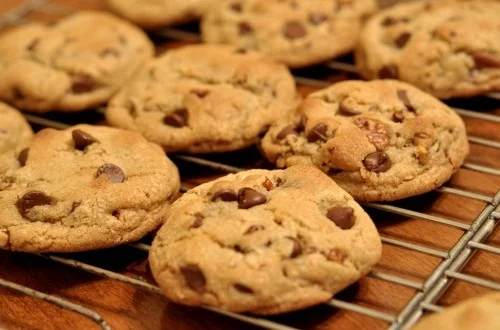
The landscape of home baking has undergone a significant transformation in the digital age, as professional insights once reserved for culinary institutes are now disseminated through viral social media platforms. Villy Vovnyar, a professional baker and the creative force behind the popular TikTok account @cutie.goods, has recently garnered widespread acclaim for her methodical approach to perfecting the chocolate chip cookie. Her instructional content, which has reached a milestone of over 410,000 views, highlights a shift in consumer interest toward artisanal techniques that prioritize texture, flavor complexity, and ingredient quality over convenience. By analyzing the intersection of chemical reactions in baking and strategic ingredient selection, Vovnyar’s methodology provides a blueprint for elevating a classic American staple into a professional-grade confection.
The Strategic Selection of Chocolate and the Science of Melt
One of the primary tenets of Vovnyar’s approach involves a departure from the use of pre-packaged chocolate chips in favor of high-quality chocolate bars. From a journalistic and economic perspective, this recommendation serves two purposes: cost-efficiency and superior control over the final product’s organoleptic properties. Commercial chocolate chips are often formulated with stabilizers and a lower cocoa butter content to ensure they retain their shape under high heat. While this is beneficial for structural uniformity, it often results in a waxy mouthfeel and a less intense flavor profile.
Vovnyar suggests that purchasing chocolate bars and manually chopping them into irregular "shards" or "chunks" allows for a more dynamic eating experience. The varying sizes of the chocolate pieces ensure that some melt into the dough, creating "pockets" of fudge-like consistency, while others remain slightly more intact. Furthermore, she emphasizes the importance of flavor layering. By combining milk chocolate, dark chocolate, and semi-sweet varieties, bakers can create a sophisticated palate that balances the bitterness of high-cacao solids with the creamy sweetness of dairy-heavy chocolate. This multi-tonal flavor profile prevents the cookie from being "one-note" and appeals to a broader range of taste preferences.
The Role of Beurre Noisette in Flavor Development
A central pillar of Vovnyar’s recipe is the utilization of brown butter, known in professional French pastry circles as beurre noisette. The process of browning butter involves melting unsalted butter over low to medium heat until the water content evaporates and the milk solids begin to toast. This results in a chemical transformation known as the Maillard reaction, which produces a complex array of aromatic compounds reminiscent of toasted hazelnuts and caramel.
In the context of cookie chemistry, brown butter does more than just enhance flavor. Because the water has been cooked out, the fat content is more concentrated. Vovnyar notes that this results in a cookie with a significantly softer, more "toffee-like" texture. When combined with the sugars in the dough, the nutty notes of the butter provide a savory counterpoint to the sweetness, creating a balanced flavor profile that is often missing in standard recipes that use softened or creamed butter. The adoption of brown butter by home bakers reflects a growing trend in the culinary industry where traditional techniques are being repurposed to add depth to "comfort foods."
Advanced Mixing Techniques and Thermal Safety
Vovnyar’s methodology includes a less conventional step: the integration of hot milk and hot brown butter directly into the dough mixture. This technique, shared via her blog and social media, deviates from the standard "creaming method" where room-temperature butter and sugar are beaten together to incorporate air. By using warm liquids, the baker can influence how the sugars dissolve and how the flour hydrates.
However, this step requires a high degree of technical caution. Vovnyar warns that adding hot liquids to a mixture can cause bubbling or splattering, particularly if the ingredients are not introduced gradually. From a food science perspective, this "hot-mix" method can lead to a denser, chewier cookie, as the heat helps to partially dissolve the granulated sugars before the baking process even begins, leading to a more uniform caramelization in the oven.
The Critical Importance of Dough Hydration and Resting Periods
Perhaps the most significant technical advice offered by Vovnyar is the necessity of resting the cookie dough before it is placed in the oven. She recommends covering the dough with cling film and allowing it to sit at room temperature for at least 30 minutes, though many professional pastry chefs suggest up to 24 to 72 hours of refrigeration for optimal results.
The science behind this resting period involves two key factors: hydration and enzymatic breakdown. During the resting phase, the flour fully absorbs the moisture from the eggs and butter. This leads to a more consistent dough that spreads less during baking, resulting in a thicker cookie with a better "bite." Furthermore, enzymes in the flour begin to break down large starch molecules into smaller sugar molecules. This process, known as autolysis, enhances the browning of the cookie and deepens the overall flavor, making it taste more "mature" and less like raw flour and sugar. Vovnyar’s insistence on even a 30-minute rest highlights a commitment to quality that transcends the typical "quick-fix" nature of social media recipes.
Chronology of the Viral Baking Movement
The rise of Vovnyar’s "Cutie Goods" platform coincides with a broader cultural shift that began during the global lockdowns of 2020. As individuals spent more time at home, interest in "slow food" and artisanal baking surged. The timeline of this specific trend can be traced through several key phases:
- The Early 2020s Surge: Professional bakers began utilizing TikTok and Instagram to share "behind-the-scenes" secrets that were previously only taught in culinary schools.
- The "Brown Butter" Renaissance (2021-2022): Brown butter became a viral sensation, with search queries for the ingredient hitting all-time highs as home bakers sought to replicate the flavors of high-end bakeries.
- Vovnyar’s Viral Intervention (February 2023): On February 10, 2023, the Express and other international outlets picked up Vovnyar’s specific tips, catapulting her advice into the mainstream journalistic cycle.
- The Professionalization of the Home Kitchen (Present): Current trends show a move toward "science-based baking," where consumers are interested in the why behind the techniques, leading to the success of creators like Vovnyar who explain the mechanics of ingredients.
Market Data and Consumer Behavior in the Baking Industry
The popularity of these professional baking tips is reflected in broader market data. According to industry reports, the global biscuits and cookies market was valued at approximately $34 billion in 2023, with a projected compound annual growth rate (CAGR) of 5.3% through 2030. Within this market, there is a distinct sub-sector for "premium" and "artisanal" products.
Consumers are increasingly willing to pay a premium for high-quality ingredients, such as single-origin chocolate bars and grass-fed butter, to use in their home baking. The "Vovnyar Effect"—encouraging the purchase of chocolate bars over chips—aligns with a 12% increase in the sales of premium dark chocolate bars in the specialty food segment. This suggests that instructional content from professional bakers is not just influencing kitchen habits but is also driving specific retail trends in the grocery sector.
Expert Reactions and Culinary Implications
The culinary community has largely responded positively to the dissemination of these techniques. Professional pastry chefs note that Vovnyar’s advice is grounded in solid pâtisserie principles. The use of multiple types of chocolate, for instance, mimics the "couverture" blending techniques used by master chocolatiers to achieve a specific "snap" and flavor profile.
However, some experts suggest that the "hot milk and butter" method should be approached with an understanding of gluten development. Adding warm liquid to flour can speed up the formation of gluten, which, if overmixed, could lead to a tough cookie rather than a tender one. Therefore, the implication for the home baker is the need for a balance between following viral advice and understanding the foundational rules of dough handling.
Broad Impact on the Democratization of Culinary Knowledge
The success of Villy Vovnyar’s baking tips represents a broader democratization of culinary knowledge. In previous decades, a "secret recipe" was a guarded asset of a bakery or a family. Today, the transparency offered by professional bakers on social media has raised the standard for what is considered a "good" cookie.
This shift has forced commercial bakeries to innovate, as home bakers now have the tools and knowledge to produce cookies that rival or exceed store-bought versions. The emphasis on "layers of flavor," "textural contrast," and "scientific resting periods" has turned a simple household activity into a sophisticated pursuit of culinary excellence. As Vovnyar’s tips continue to circulate, they serve as a testament to the power of digital education in refining the domestic arts and elevating the expectations of the modern consumer.
In conclusion, the evolution of the chocolate chip cookie from a simple pantry-staple recipe to a complex exercise in food science reflects a wider cultural appreciation for craftsmanship. Through the strategic use of brown butter, the careful selection of chocolate, and the patience required for dough hydration, Villy Vovnyar has provided a masterclass that bridges the gap between the amateur kitchen and the professional bakery. The result is not merely a more delicious cookie, but a more informed and capable community of home bakers.