
Jakarta (ANTARA) – Silver, often overshadowed by gold, is rapidly asserting itself as a precious metal of significant strategic value, not just as a store of wealth but also as a critical component in the burgeoning global technology sector. Its escalating popularity among investors underscores a growing awareness of its substantial profit potential in the future, positioning it as an indispensable asset in diversified portfolios. Investors keen on harnessing silver’s benefits can access it through various official channels, including established financial institutions and accredited precious metal vendors, ensuring transparency and credibility in transactions.
Understanding Silver: Characteristics and Historical Significance
At its core, silver is a brilliant, metallic grey element, renowned for its lustrous sheen. Beyond its aesthetic appeal, silver possesses an extraordinary combination of economic value, exceptional electrical and thermal conductivity, and remarkable malleability. Its inherent softness and ease of shaping make it a vital material across a multitude of global trade and industrial applications. Historically, silver has occupied an esteemed position in human civilization. From serving as ancient currency and a medium of exchange that facilitated early commerce, it evolved into a symbol of opulence and status, adorning royalty and nobility in the form of intricate jewelry, elaborate ornaments, and sophisticated household items. Its presence in ancient societies, from Mesopotamia to the Roman Empire, attests to its enduring value and versatility. The metal’s intrinsic beauty and utility ensured its consistent demand, shaping economic systems and cultural expressions across millennia.
In the rapidly evolving landscape of the digital age, silver has undergone a significant transformation, transitioning into a highly liquid financial asset with profound strategic importance. The relentless pace of innovation in smart technology, artificial intelligence, and robotics has triggered an unprecedented surge in demand for silver as a foundational material. This burgeoning industrial requirement is a primary catalyst fueling increased investment interest in the metal. Analysts widely predict that this investment trend will strengthen considerably, intrinsically linked to the world’s deepening reliance on future technological advancements and sustainable energy solutions.
The Modern Investment Case for Silver
The renewed interest in silver as an investment vehicle is multifaceted, driven by a confluence of economic factors, market dynamics, and technological imperatives. Unlike gold, which is primarily a monetary metal and a safe-haven asset, silver offers a unique blend of investment and industrial demand, often referred to as a "dual-purpose metal." This duality contributes to its distinct market behavior and investment appeal.
One of the primary drivers for silver investment is its role as an inflation hedge. In periods of economic uncertainty and rising inflation, investors often turn to precious metals to preserve purchasing power. While gold is the traditional choice, silver, with its lower price point, offers a more accessible entry for a broader range of investors seeking protection against currency debasement. Furthermore, silver provides excellent portfolio diversification, acting as a counterbalance to traditional financial assets like stocks and bonds. Its price movements often exhibit a lower correlation with these assets, helping to reduce overall portfolio volatility and enhance risk-adjusted returns, especially during market downturns.
Industrial Demand: The Unseen Engine of Silver’s Value
While its investment allure is significant, it is silver’s robust and expanding industrial demand that truly sets it apart and underpins its long-term value proposition. Silver’s unique properties—its superior electrical and thermal conductivity, reflectivity, and antibacterial qualities—make it irreplaceable in numerous high-tech applications.
- Electronics and Technology: Silver is indispensable in the electronics sector. It is a critical component in virtually every electronic device, from smartphones, laptops, and tablets to more complex systems like 5G infrastructure, artificial intelligence hardware, and the Internet of Things (IoT) devices. Its high conductivity ensures efficient signal transmission and power delivery, making it vital for connectors, switches, and circuit boards. The ongoing global rollout of 5G networks, the accelerating adoption of electric vehicles (EVs), and the proliferation of smart home technologies are all significant drivers of silver consumption. Each EV, for instance, contains a substantial amount of silver in its electrical contacts and connectors, a demand that is projected to grow exponentially.
- Solar Energy (Photovoltaics): The renewable energy sector, particularly solar power, represents one of the most substantial growth areas for silver demand. Photovoltaic (PV) cells, which convert sunlight into electricity, rely heavily on silver pastes for their conductive properties. As nations worldwide commit to decarbonization and expand their solar energy capacities, the demand for silver in PV manufacturing is expected to continue its upward trajectory. Industry reports indicate that solar energy accounts for a significant portion of annual industrial silver demand, a share that is likely to increase as solar technology becomes more efficient and widespread.
- Medical and Chemical Applications: Silver’s antimicrobial properties have made it invaluable in the medical field for centuries. It is used in wound dressings, surgical instruments, and even certain medical devices to prevent infections. In the chemical industry, silver acts as a catalyst in various reactions, particularly in the production of ethylene oxide, a key ingredient in many industrial chemicals.
- Photography: While traditional photographic film’s demand has significantly decreased with the advent of digital cameras, silver halide crystals remain essential for specialized applications, such as X-rays and high-end artistic photography. This niche market, though smaller, still contributes to overall silver consumption.
The World Silver Survey, an annual publication by The Silver Institute, consistently highlights the robust and growing industrial demand for silver. Recent reports have indicated that industrial fabrication accounts for over 50% of annual silver demand, with significant increases noted in the electrical and electronics sector and particularly in photovoltaics. This structural demand provides a strong floor for silver prices and differentiates it from gold, which has a much smaller industrial footprint.
Types of Silver for Investment: Purity is Paramount
For prospective investors, especially those new to precious metals, it is crucial to understand that not all types of silver are equally suitable for investment purposes. The key differentiator lies in purity.
- Fine Silver (99.9% Purity): The most highly recommended form for investment is fine silver, also known as pure silver. This category includes silver bars (bullion), coins, and grains, all boasting a purity level of 99.9% (or .999 fine). Such high purity makes fine silver eminently valuable as an investment asset. However, due to its exceptionally high concentration of silver without the admixture of other metals, fine silver is notably soft and prone to scratches and deformation. This characteristic explains why it is rarely used in its pure form for crafting jewelry, which requires greater durability.
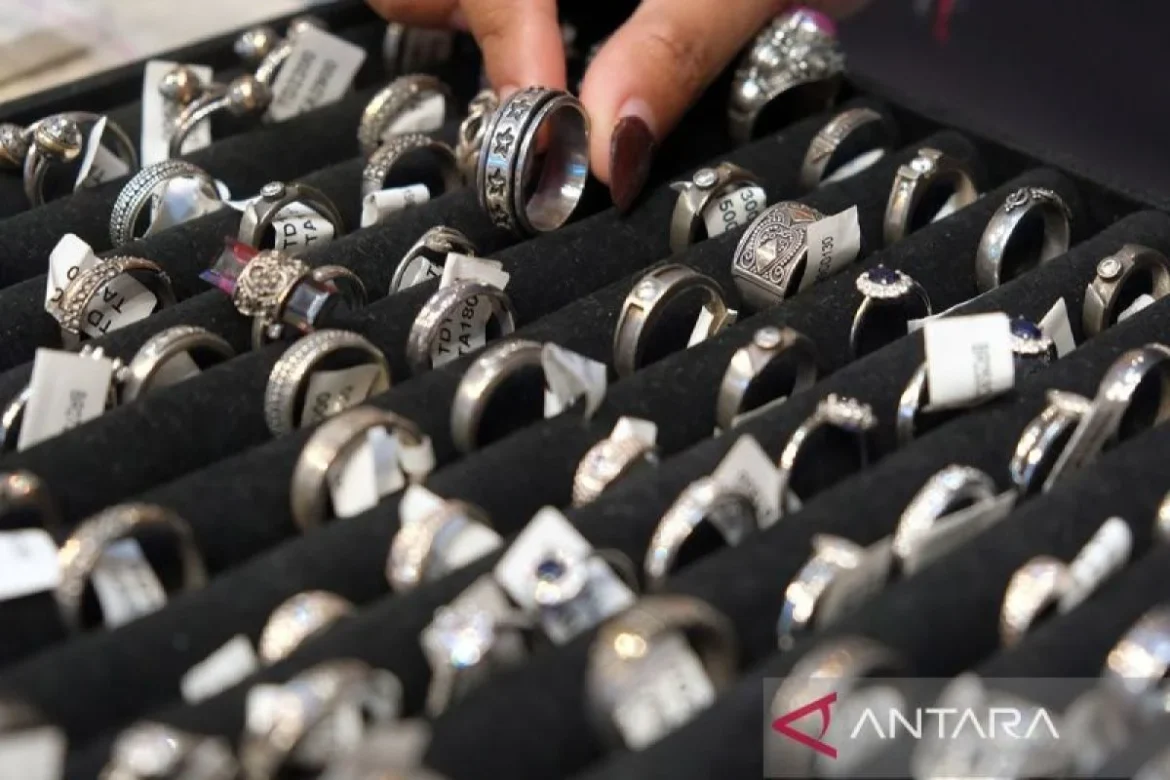
- Sterling Silver (92.5% Purity): In contrast, the silver commonly encountered in jewelry is typically an alloy, blended with other metals such as copper or nickel to enhance its strength and durability. This alloy is known as sterling silver, characterized by a purity level of approximately 92.5% silver, with the remaining 7.5% being other metals. While sterling silver jewelry can be collected for its aesthetic or sentimental value, its worth as a pure investment instrument is generally lower compared to bullion or fine silver. This reduced investment value stems from the additional manufacturing costs involved in crafting jewelry and, crucially, its lower intrinsic silver content due to the alloying process.
Therefore, a fundamental principle in precious metal investing is that higher purity directly correlates with greater investment suitability. Whether it’s gold or silver, bullion in bar or coin form is consistently advised over jewelry for long-term investment strategies. This is not to say that silver jewelry cannot appreciate in value, particularly antique or designer pieces with significant craftsmanship or historical provenance. However, for investors primarily focused on the intrinsic metal value and liquidity, high-purity bullion remains the gold standard.
Channels for Silver Investment
Investors have several avenues to gain exposure to silver, each with its own advantages and disadvantages:
- Physical Silver: This involves directly owning silver in the form of bullion bars, rounds, or coins.
- Bars: Available in various sizes, from small one-ounce bars to large 1,000-ounce industrial bars. They typically carry lower premiums over spot price compared to coins due to simpler manufacturing.
- Coins: Popular options include the American Silver Eagle, Canadian Silver Maple Leaf, Austrian Silver Philharmonic, and Mexican Silver Libertad. These often command a slightly higher premium due to their numismatic value, government backing, and intricate designs, but they are highly liquid and recognizable globally.
- Grains: Less common for individual investors, silver grains are small, irregular pieces of pure silver, often used by jewelers or industrial consumers.
The primary benefits of physical silver are direct ownership and protection against counterparty risk. However, it necessitates secure storage, which can incur costs, and transactions might involve premiums and bid-ask spreads.
- Silver Exchange-Traded Funds (ETFs): These financial instruments track the price of silver and are traded on stock exchanges. ETFs offer a convenient way to invest in silver without the complexities of physical storage or insurance. They provide high liquidity and allow for fractional ownership. However, investors do not directly own the physical metal, and there are management fees associated with ETFs. Examples include iShares Silver Trust (SLV) and Aberdeen Standard Physical Silver Shares ETF (SIVR).
- Silver Mining Stocks: Investing in shares of companies that mine silver offers exposure to the metal’s price movements, along with potential leverage from operational efficiencies and exploration successes. However, these investments also carry company-specific risks (e.g., management issues, geopolitical risks in mining regions, production costs) that are independent of silver’s price.
- Silver Futures and Options: These are derivatives contracts that allow investors to speculate on future silver prices. They offer significant leverage but come with higher risk and require a sophisticated understanding of futures markets. They are generally more suited for experienced traders.
For investors prioritizing long-term value stability and direct ownership, high-purity silver bullion remains the benchmark asset choice.
Market Dynamics and Price Influencers
The price of silver is influenced by a complex interplay of factors, often leading to greater volatility compared to gold.
- Supply and Demand Fundamentals: This is the most direct influence. Increases in industrial demand (especially from solar and electronics) or investment demand (physical buying, ETF inflows) tend to push prices up. Conversely, an increase in mine supply or a decrease in demand can depress prices.
- Macroeconomic Factors:
- Interest Rates: Rising interest rates can make non-yielding assets like silver less attractive, as investors might prefer interest-bearing instruments.
- U.S. Dollar Strength: Silver, like other commodities, is priced in U.S. dollars. A stronger dollar makes silver more expensive for holders of other currencies, potentially dampening demand and putting downward pressure on prices.
- Economic Growth: Strong global economic growth often boosts industrial demand for silver, supporting its price. Conversely, economic slowdowns can reduce industrial consumption.
- Geopolitical Events: Periods of political instability, conflicts, or major global crises can increase silver’s appeal as a safe-haven asset, alongside gold.
- Gold-Silver Ratio: This ratio indicates how many ounces of silver it takes to buy one ounce of gold. Historically, the ratio has fluctuated, often widening during economic downturns (as gold outperforms) and narrowing during periods of strong industrial activity (as silver gains). Investors often monitor this ratio for potential arbitrage opportunities or to gauge whether silver is over- or undervalued relative to gold.
The Global Silver Market: Supply and Production
The global supply of silver is primarily derived from mining operations. Unlike gold, where a significant portion comes from primary gold mines, silver is often produced as a by-product of mining other metals.
- Primary vs. By-Product Mining: Approximately 25-30% of global silver production comes from primary silver mines. The remaining 70-75% is extracted as a by-product of lead/zinc, copper, and gold mining. This characteristic makes silver supply somewhat inelastic to its own price; an increase in silver prices might not immediately lead to a significant boost in silver output if the primary metals (like copper or zinc) are not also seeing higher demand or prices.
- Major Producing Countries: Mexico, Peru, China, Australia, and Russia are consistently among the top silver-producing nations. Geopolitical stability and mining regulations in these regions can impact global supply.
- Recycling Contributions: Recycled silver, primarily from industrial scrap (electronics, solar panels) and jewelry, also contributes to the overall supply, though typically representing a smaller percentage than newly mined silver. As the stock of electronic waste grows, recycling could become an increasingly important source of supply.
Risks and Considerations for Silver Investors
While silver presents compelling investment opportunities, it is not without risks and practical considerations:
- Volatility: Silver prices tend to be more volatile than gold, experiencing larger percentage swings. This higher beta makes it attractive to some investors seeking quicker gains but also exposes them to greater potential losses.
- Storage and Insurance Costs: For physical silver, secure storage (e.g., in a vault or safe deposit box) and insurance are necessary to protect the asset, incurring ongoing costs.
- Premiums and Spreads: When buying physical silver, investors typically pay a premium above the spot market price to cover manufacturing, distribution, and dealer margins. Selling involves a bid-ask spread, meaning the selling price will be lower than the buying price. These costs can impact overall returns, especially for short-term holdings.
- Authenticity and Counterfeiting: The market for precious metals, including silver, is susceptible to counterfeiting. Investors must ensure they purchase from reputable dealers with verifiable authenticity guarantees to avoid fraudulent products.
- Regulatory and Tax Implications: Depending on the jurisdiction, investments in silver may be subject to various taxes, such as capital gains tax, sales tax, or value-added tax (VAT). Investors should consult with financial and tax advisors to understand the implications in their specific region.
Expert Outlook and Future Trajectories
Market analysts and industry experts largely maintain a bullish long-term outlook for silver. The consensus points towards sustained demand growth, particularly from the green energy transition and technological advancements.
- Analyst Consensus on Demand Growth: The accelerating adoption of solar power and the continued expansion of 5G, AI, and EV technologies are expected to underpin industrial demand for decades to come. Supply-side constraints, given silver’s by-product nature, could lead to potential deficits in the market, pushing prices higher.
- Potential Price Drivers and Headwinds: Beyond industrial demand, silver’s role as a monetary metal and inflation hedge will likely remain relevant amidst ongoing global economic uncertainties, geopolitical tensions, and expansive monetary policies by central banks. However, a strong U.S. dollar, rising real interest rates, or a significant global economic recession could act as headwinds.
- Long-Term Strategic Value: Silver’s unique combination of industrial utility and monetary properties positions it as a strategic asset with robust long-term growth potential. Its relative affordability compared to gold also makes it an attractive entry point for new investors into the precious metals market.
In conclusion, silver’s journey from an ancient medium of exchange to a modern cornerstone of technology and investment highlights its enduring and evolving significance. With its intrinsic value bolstered by soaring industrial demand and its role as a hedge against economic instability, silver stands poised for continued prominence. For discerning investors, understanding its characteristics, market dynamics, and appropriate investment forms is crucial for leveraging its multifaceted appeal in a well-diversified portfolio.