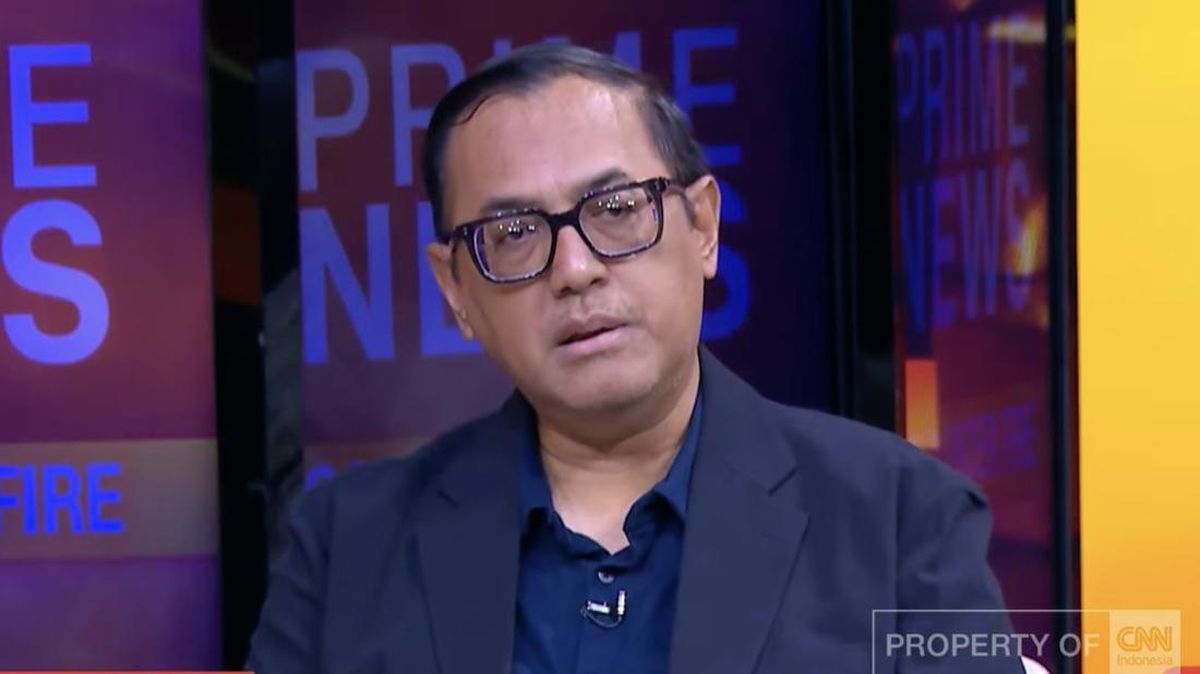
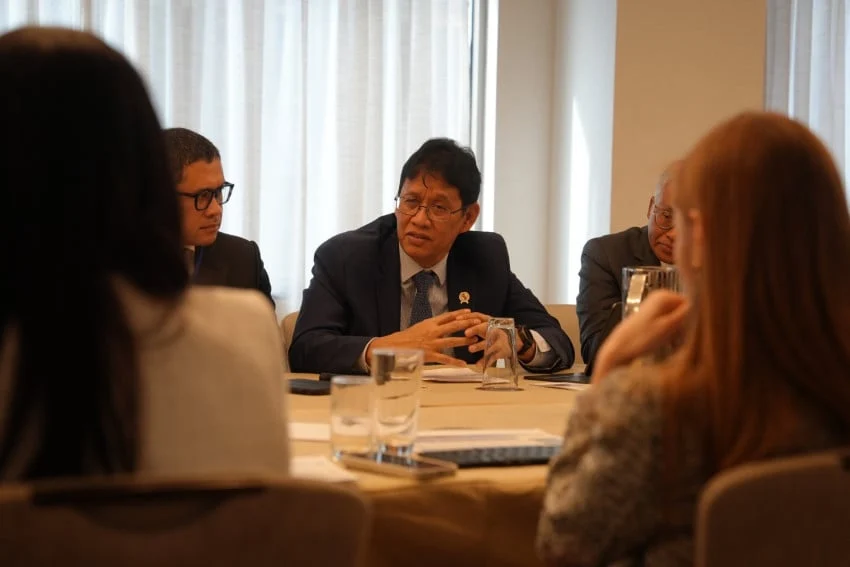
The Indonesian government has successfully garnered significant praise and solidified its standing in the global financial community following a series of high-level strategic meetings led by Finance Minister Purbaya Yudhi Sadewa in Washington, D.C. During the high-stakes diplomatic mission, which coincided with the Spring Meetings of the International Monetary Fund (IMF) and the World Bank Group, international financial institutions and Tier-1 global investors expressed a unified vote of confidence in Indonesia’s fiscal management. This endorsement comes at a critical juncture as the global economy continues to grapple with volatility, fluctuating commodity prices, and shifting geopolitical alliances. The minister’s engagements underscored a growing international consensus that Indonesia has mastered the delicate art of balancing aggressive economic growth targets with stringent fiscal discipline, a feat that many emerging markets have struggled to achieve in the post-pandemic era.
Strategic Engagements with Global Financial Titans
The cornerstone of Minister Purbaya’s visit to the United States was a series of closed-door sessions with 18 of the world’s most influential institutional investors. Among these were industry giants such as Goldman Sachs and Fidelity Investments, firms that manage trillions of dollars in global assets and whose internal ratings often dictate the flow of foreign direct investment (FDI) into emerging economies. These meetings were not merely perfunctory; they served as a platform for rigorous due diligence where investors scrutinized Indonesia’s medium-term expenditure framework and its strategy for maintaining a budget deficit below the statutory ceiling of 3% of Gross Domestic Product (GDP).
Minister Purbaya emphasized that the primary objective of these dialogues was to provide transparency regarding the "Indonesian Way" of economic management. Investors sought clarity on whether the nation’s ambitious infrastructure projects and social safety nets were being funded through sustainable revenue streams or through excessive debt. By providing a comprehensive breakdown of the 2026 fiscal roadmap, the Minister was able to demonstrate that Indonesia’s debt-to-GDP ratio remains among the lowest in the G20, providing a significant buffer against external shocks. The response from these financial behemoths was overwhelmingly positive, with many citing Indonesia’s "predictability" and "transparency" as key factors in their decision to maintain or increase their exposure to Indonesian sovereign bonds and equity markets.
Strengthening Ties with the IMF and World Bank
Beyond private capital, the Minister held pivotal bilateral discussions with the Managing Director of the IMF and senior leadership at the World Bank. These meetings were particularly significant given the historical complexities of Indonesia’s relationship with these institutions. Minister Purbaya’s approach was characterized by a blend of assertive diplomacy and data-driven advocacy. He addressed previous discrepancies in data modeling and economic forecasting, ensuring that the international community’s assessment of Indonesia’s "fiscal health" is based on the most accurate and up-to-date local indicators.
The IMF’s positive response is viewed by analysts as a "seal of approval" that lowers the perceived risk premium for Indonesia. The Fund acknowledged that Indonesia’s monetary policy, managed in tandem by the Ministry of Finance and Bank Indonesia, has been effective in taming inflation while supporting the domestic manufacturing sector. Similarly, the World Bank’s recognition of Indonesia’s fiscal strategy highlights the success of the country’s structural reforms, including the implementation of the Harmonized Tax Law and the continued refinement of the Omnibus Law on Financial Sector Development. These reforms have expanded the tax base and modernized the regulatory environment, making it more conducive for long-term international partnerships.
Chronology of the Washington Mission
The diplomatic mission in Washington followed a meticulously planned itinerary designed to maximize Indonesia’s visibility in the global capital markets. The journey began with a series of courtesy meetings with representatives from S&P Global Ratings and other major credit rating agencies. These sessions were crucial for reinforcing Indonesia’s investment-grade status, as the government seeks to further lower its borrowing costs in the international bond market.
Following the rating agency briefings, the schedule transitioned into the "Investor Day" format, where Minister Purbaya presented to a curated group of asset managers. The discussions then moved to the multilateral stage at the IMF and World Bank headquarters. The timeline of these events suggests a coordinated effort by the Indonesian government to sync its domestic policy announcements with global economic calendars, ensuring that the narrative of "Indonesian Resilience" reaches the right ears at the right time. By the time the Minister concluded his meetings on April 15, 2026, the sentiment among the Washington financial elite had shifted from cautious observation to active endorsement.
Addressing the Growth vs. Discipline Dilemma
One of the most persistent questions faced by the Indonesian delegation was how the country intends to achieve an ambitious 6% to 7% annual GDP growth rate without compromising its fiscal integrity. For decades, the conventional wisdom in development economics suggested that rapid growth in emerging markets often requires heavy deficit spending. Minister Purbaya dismantled this notion by highlighting Indonesia’s "quality spending" initiative. This strategy involves reallocating subsidies—particularly in the energy sector—toward high-multiplier investments such as digital infrastructure, downstream mineral processing (hilirisasi), and human capital development.
By explaining the "hilirisasi" policy to global investors, the Minister showcased how Indonesia is moving up the value chain. Instead of exporting raw nickel or bauxite, Indonesia is now a hub for electric vehicle (EV) battery components and processed metals. This shift not only boosts export revenues but also creates a more resilient tax base that is less susceptible to the boom-and-bust cycles of raw commodity prices. Investors from the United States, in particular, showed high interest in this sector, viewing Indonesia as a vital partner in the global green energy transition and a reliable alternative in the global supply chain.
Supporting Data: The Numbers Behind the Confidence
The positive reception in Washington is backed by a robust set of macroeconomic data that distinguishes Indonesia from its peers. As of the first quarter of 2026, Indonesia’s inflation has remained within the target corridor of 2.5% ± 1%, significantly lower than many developed economies that are still battling persistent price pressures. Furthermore, the country’s trade balance has maintained a surplus for over 40 consecutive months, driven by the success of industrial downstreaming policies.
Foreign Direct Investment (FDI) into Indonesia reached record levels in the previous fiscal year, with a notable diversification of sources beyond the traditional Asian partners. The interest from American firms like Fidelity and Goldman Sachs signals a potential surge in Western capital inflows. On the fiscal side, the government’s commitment to a deficit below 3% of GDP has kept the debt-to-GDP ratio at approximately 38-39%, far below the 60% threshold established by the State Finance Law. These figures provided the empirical foundation for Minister Purbaya’s arguments, transforming a political narrative into a credible financial case.
Market Implications: Bonds and Equities
The immediate impact of the Washington meetings is expected to be felt in the Indonesian capital markets. There has been a noted increase in demand for Indonesian Government Securities (SBN), as global investors seek "safe-haven" assets in the emerging market space that offer attractive yields combined with macroeconomic stability. The fixed-income market, which was a major point of discussion with the 18 investors, is poised for increased liquidity as global funds rebalance their portfolios in favor of high-performing Southeast Asian economies.
In the equity market, the Minister’s reassurance regarding the continuity of Indonesia’s economic policies—even amidst political cycles—has quelled investor anxiety. The focus on the financial sector, consumer goods, and the burgeoning tech industry has made the Indonesia Stock Exchange (IDX) an attractive destination for institutional "equity" investors. The Minister’s ability to articulate a clear, long-term vision has reduced the "political risk" premium that often plagues emerging markets, paving the way for sustained capital appreciation.
Broader Impact and Future Implications
The success of Minister Purbaya Yudhi Sadewa’s mission in Washington D.C. carries implications that extend far beyond the immediate fiscal year. It signals Indonesia’s emergence as a "stabilizing force" in the global economy. At a time when many nations are turning inward or facing debt crises, Indonesia’s adherence to international standards of fiscal transparency and its proactive engagement with global institutions position it as a leader among the Global South.
Furthermore, the "positive response" from the IMF and World Bank serves as a diplomatic shield, providing Indonesia with more leverage in international forums such as the G20 and ASEAN. It validates the government’s domestic policies and provides the "political capital" needed to continue difficult structural reforms. As the global financial landscape continues to evolve, the trust built during these April 2026 meetings will likely serve as the bedrock for Indonesia’s goal of becoming one of the world’s top five economies by 2045.
In conclusion, the meetings in Washington were a masterclass in economic diplomacy. By directly addressing the concerns of both multilateral institutions and private investors, Minister Purbaya has not only secured the necessary confidence to support Indonesia’s current budget but has also enhanced the nation’s reputation as a sophisticated and reliable player on the world stage. The message from Washington is clear: Indonesia is no longer just a "market of interest"—it is a cornerstone of global fiscal stability.