
Jakarta, Indonesia – April 14, 2026 – Toyota has maintained its commanding lead in the Indonesian passenger car market during the first quarter of 2026, despite emerging competition from Chinese manufacturers, particularly in the burgeoning electric vehicle (EV) segment. Data released by the Association of Indonesian Automotive Industries (Gaikindo) revealed that Japanese brands continue to hold significant sway, though the landscape is showing signs of dynamic shifts.
Q1 2026 Sales Performance: A Snapshot
From January to March 2026, the Indonesian automotive market recorded total retail sales of 211,905 units. Toyota emerged as the undisputed leader, securing a substantial 30.4% market share with a total of 64,416 units sold. The Japanese giant’s monthly sales figures for the period were consistent: 22,066 units in January, 22,812 units in February, and a slight dip to 19,538 units in March. This sustained performance underscores Toyota’s deep-rooted customer loyalty and extensive dealer network across the archipelago.
Following closely behind, Toyota’s group affiliate, Daihatsu, secured the second position with 34,653 units sold, representing a 16.4% market share. Suzuki clinched the third spot, selling 19,026 units and capturing a 9% market share. Mitsubishi Motors occupied the fourth position with 18,469 units sold (8.7% market share), while Honda rounded out the top five, achieving sales of 13,001 units (6.1% market share).
Emergence of Chinese EV Players: BYD’s Strong Entry
A notable development in the Q1 2026 sales figures is the impressive performance of BYD, a Chinese electric vehicle manufacturer. BYD managed to break into the top six, selling a remarkable 10,265 units and capturing a 4.8% market share. This significant achievement by an electric vehicle-focused brand signals a growing consumer appetite for electrified mobility in Indonesia and marks a strong debut for BYD in the competitive Indonesian market. The company’s aggressive pricing strategies and focus on popular EV models are likely contributing factors to its rapid market penetration.
Context: GIICOMVEC 2026 and the Future of Commercial Vehicles
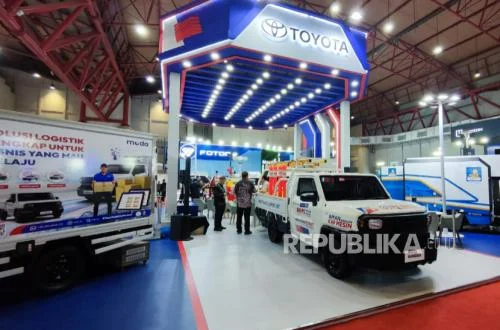
This sales data emerges against the backdrop of the GAIKINDO Indonesia International Commercial Vehicle Expo (GIICOMVEC) 2026, held at JIExpo Kemayoran, Jakarta, on Wednesday, April 8, 2026. The expo, a crucial platform for showcasing advancements and trends in the commercial vehicle sector, featured a diverse range of offerings from major automotive players. Toyota, for instance, prominently displayed various converted variants of its popular Hilux Rangga model at its booth. This strategic presence at a commercial vehicle expo, while the sales data pertains to passenger cars, highlights Toyota’s comprehensive approach to the Indonesian market, catering to both individual and business needs. The presence of converted Hilux Rangga models at GIICOMVEC 2026 suggests a focus on utility and customization for commercial applications, a segment that remains vital for the Indonesian economy.
The timing of the sales data release, shortly after the commencement of GIICOMVEC 2026, provides valuable insights into the immediate market sentiment and the prevailing competitive dynamics. While the expo primarily focuses on commercial vehicles, the underlying strength and purchasing power reflected in passenger car sales data are intrinsically linked to the overall economic health, which in turn influences the commercial vehicle sector.
Background and Market Dynamics
The Indonesian automotive market has long been dominated by established Japanese brands, a trend that has persisted for decades due to their reputation for reliability, fuel efficiency, and affordability. Toyota, in particular, has cultivated a strong brand image and a robust after-sales service network, making it the go-to choice for many Indonesian consumers. Daihatsu, with its focus on compact and affordable vehicles, has also carved out a significant niche.
However, the automotive industry globally is undergoing a profound transformation driven by electrification and technological advancements. The Indonesian government has been actively promoting the adoption of electric vehicles through various incentives and policies, aiming to reduce carbon emissions and foster a domestic EV ecosystem. This policy push, coupled with increasing environmental awareness among consumers and the availability of more diverse EV models, is creating fertile ground for new players, including those from China.
BYD’s rapid ascent in the Indonesian market is a testament to this evolving landscape. The company’s strategic entry, leveraging its global expertise in battery technology and EV manufacturing, has allowed it to quickly gain traction. Their offerings, often competitively priced against internal combustion engine (ICE) vehicles from established brands, present an attractive proposition for price-sensitive Indonesian consumers who are also keen to embrace newer, greener technologies.
Analysis of Implications
The Q1 2026 sales data suggests several key implications for the Indonesian automotive market:
- Sustained Dominance of Japanese Brands: Despite the rise of new contenders, Japanese brands, led by Toyota, are likely to retain their market leadership in the short to medium term. Their established customer base, extensive dealer networks, and comprehensive after-sales support are significant competitive advantages.
- Growing EV Adoption: BYD’s performance is a clear indicator that the demand for electric vehicles is accelerating in Indonesia. This trend is expected to intensify as more manufacturers introduce their EV models and as charging infrastructure continues to expand.
- Increased Competition: The entry of Chinese brands like BYD signifies a more competitive market environment. This increased competition could lead to more innovative products, competitive pricing, and better customer service across the board, ultimately benefiting consumers.
- Shifting Consumer Preferences: While reliability and affordability remain key purchasing factors, environmental consciousness and the appeal of advanced technology are increasingly influencing consumer decisions, particularly among younger demographics and urban dwellers.
- Challenges for Traditional Players: Established automakers will need to adapt quickly to the EV revolution. This includes accelerating their own EV development and production plans, investing in battery technology, and potentially recalibrating their pricing strategies to remain competitive.
Official Reactions and Future Outlook
While specific official statements from Gaikindo regarding the Q1 2026 data were not immediately available at the time of reporting, industry observers anticipate a cautious optimism from the association. Gaikindo has consistently advocated for policies that support the growth of the entire automotive industry, encompassing both traditional and new energy vehicles.
Representatives from Toyota Indonesia, when approached for comment on their sustained market leadership, often emphasize their commitment to understanding and meeting the evolving needs of Indonesian consumers. This includes investing in localized production, expanding their product portfolio, and enhancing customer experience through innovative services.
For Chinese manufacturers, the initial success of BYD serves as a strong validation of their market entry strategy. It is anticipated that other Chinese automotive brands will likely follow suit, further intensifying competition and diversifying the market offerings.
The Indonesian government’s ongoing efforts to develop the EV ecosystem, including plans for local battery production and incentives for EV manufacturing, will play a crucial role in shaping the future trajectory of the market. The success of GIICOMVEC 2026 in showcasing advanced commercial vehicle technologies, including those with potential for electrification, further underscores the nation’s commitment to modernizing its transportation sector.
Looking ahead, the Indonesian automotive market is poised for continued dynamism. The interplay between the enduring strength of established players and the disruptive potential of new technologies and market entrants will define the competitive landscape in the coming years. The Q1 2026 sales data provides a compelling snapshot of this evolving scenario, highlighting both the resilience of tradition and the undeniable momentum of change. The focus will now shift to how manufacturers adapt to these shifts and how government policies continue to steer the industry towards a more sustainable and competitive future.