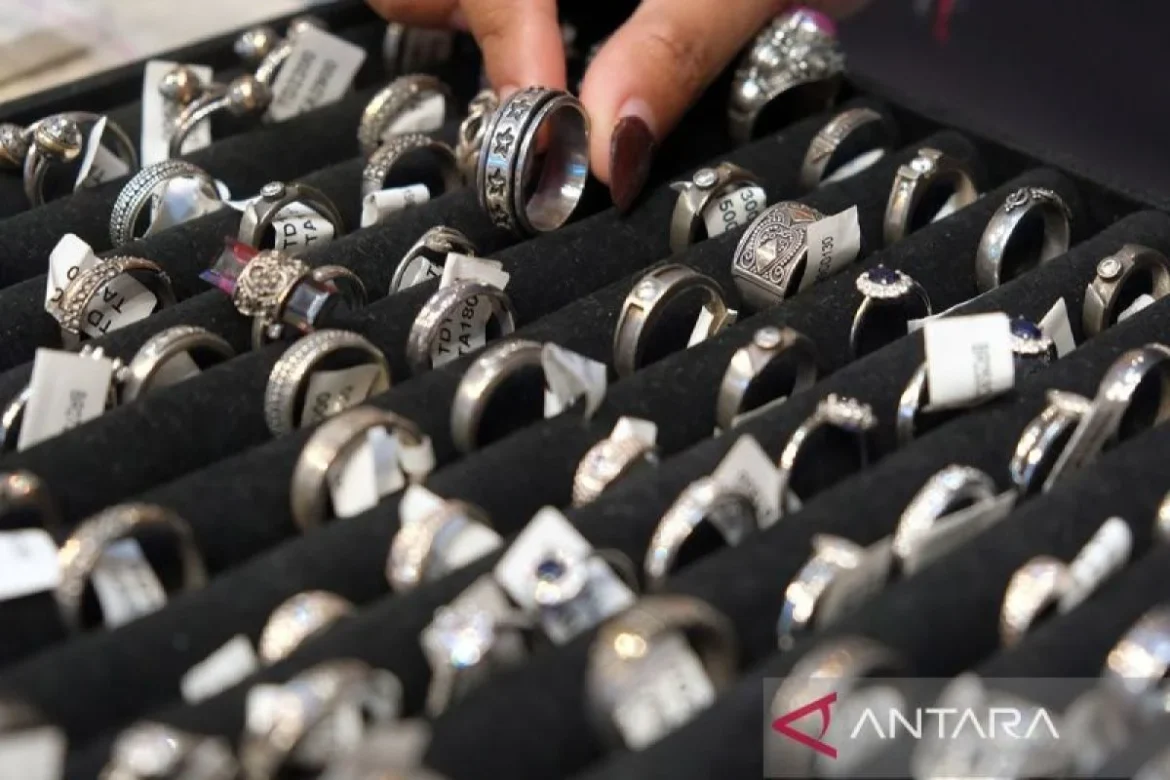
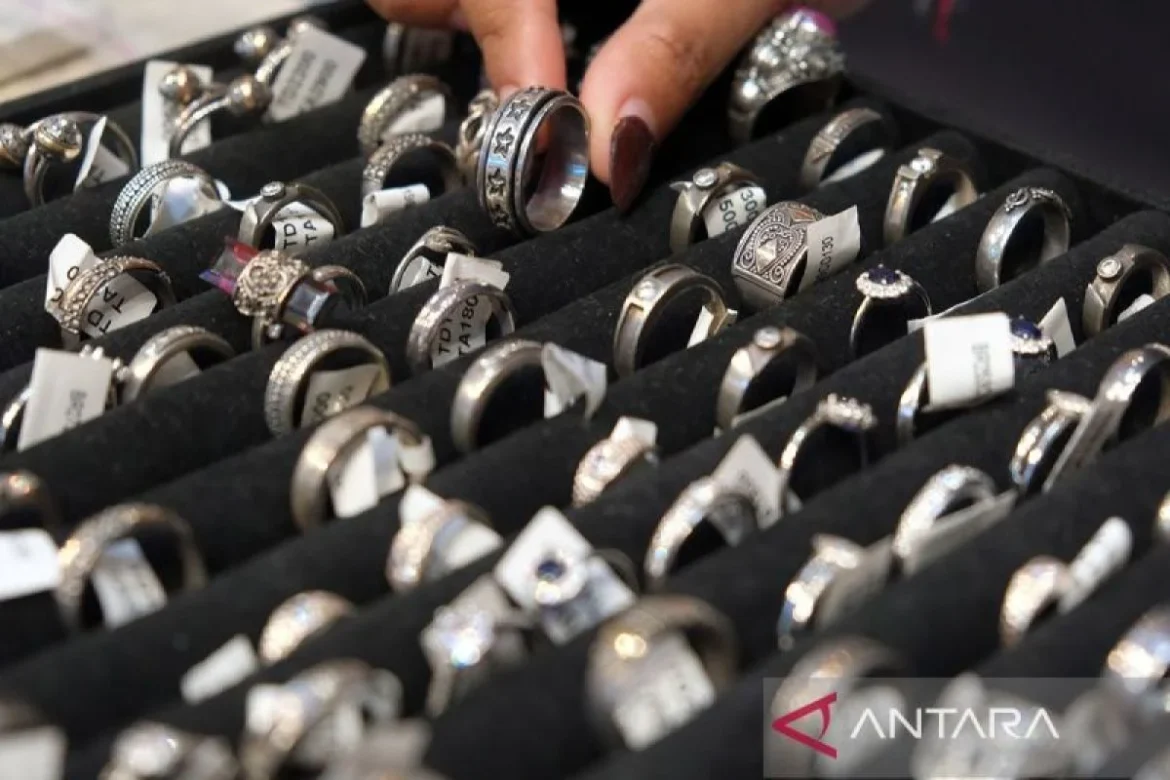
Jakarta, Indonesia – While gold has traditionally reigned supreme as the quintessential precious metal investment, silver is increasingly asserting itself as a compelling and accessible alternative, particularly for those new to the world of commodities. Its relatively stable price point, significantly lower entry barrier compared to gold, and promising growth trajectory, coupled with its robust inflation-hedging capabilities, are drawing considerable attention from a diverse range of investors. This shift reflects a broader market recognition of silver’s dual utility as both a monetary metal and a critical industrial commodity, positioning it as a potent instrument for asset diversification in an evolving global economic landscape.
The Allure of Silver: A Dual Commodity with Growing Appeal
Silver’s rising prominence as an investment vehicle stems from its unique characteristics. Unlike gold, which is predominantly held as a store of value and jewelry, silver boasts substantial industrial demand, making its market dynamics intricately linked to global economic activity and technological advancements. This dual nature provides a distinct advantage, as its value can be buoyed by both investor sentiment during periods of economic uncertainty and by robust industrial consumption during phases of growth.
Historically, silver has often been dubbed "poor man’s gold" due to its affordability. This accessibility remains a cornerstone of its appeal, enabling beginners to enter the precious metals market with smaller capital outlays. For instance, while a single gram of gold can command prices well over IDR 1,000,000 (approximately USD 65-70), an equivalent weight of silver is typically a fraction of that cost, making incremental investments more feasible. This lower price point allows for greater portfolio flexibility and the ability to accumulate a substantial physical holding over time without significant financial strain.
Beyond affordability, silver’s potential for growth is substantial. Market analysts frequently point to its undervaluation relative to gold, particularly when observing the historical gold-to-silver ratio. This ratio, which measures how many ounces of silver it takes to buy one ounce of gold, has often deviated from its long-term average, suggesting periods where silver is poised for significant catch-up gains. Moreover, silver’s sensitivity to industrial demand provides a strong tailwind. As global economies increasingly pivot towards green energy and high-tech solutions, the demand for silver in solar panels, electric vehicles (EVs), 5G technology, and medical applications is projected to surge. This structural demand shift is a powerful, long-term driver for silver prices, distinguishing it from purely speculative assets.
Understanding Silver’s Market Dynamics: Factors Influencing Value
To effectively invest in silver, it is crucial to comprehend the myriad factors that influence its price movements. Unlike other asset classes, silver’s value is a complex interplay of supply-side constraints, demand-side pressures, and broader macroeconomic forces.
Supply and Demand Equilibrium: The global supply of silver is primarily derived from mining operations, often as a byproduct of lead, zinc, copper, and gold extraction. This makes its supply somewhat inelastic to direct silver price changes, as miners may continue producing silver even if prices are low, provided the primary metal remains profitable. Demand, on the other hand, is segmented into industrial use (approximately 50-60%), jewelry, silverware, and investment (coins, bars, ETFs). Shifts in any of these demand categories can significantly impact prices. For example, a boom in solar panel manufacturing can rapidly escalate industrial demand, pushing prices upward.
Economic Indicators and Monetary Policy: Silver, like gold, often acts as a safe-haven asset during times of economic instability, geopolitical tension, or high inflation. When confidence in fiat currencies wanes, investors often flock to precious metals. Conversely, a strengthening economy and rising interest rates can make non-yielding assets like silver less attractive, as investors might opt for higher-yielding alternatives. The U.S. dollar’s strength also plays a role; a stronger dollar typically makes dollar-denominated commodities like silver more expensive for international buyers, potentially dampening demand.
The Gold-Silver Ratio: This widely watched metric offers insights into the relative valuation of the two metals. Historically, the ratio has fluctupped, but significant deviations from its long-term average (often cited around 60:1 or 70:1) can signal potential opportunities. When the ratio is high, silver is considered relatively cheap compared to gold, and vice versa. Monitoring this ratio can help investors make informed decisions about allocating capital between the two precious metals.
Navigating Silver Investment: A Comprehensive Guide for Beginners
For those ready to embark on their silver investment journey, a structured approach is paramount. The following steps provide a practical roadmap, enriched with considerations for safety, efficiency, and optimal returns.
1. Choosing the Right Form of Silver: Physical vs. Digital
The initial decision for any silver investor is whether to acquire physical silver or opt for digital, paper-based instruments. Both have distinct advantages and disadvantages.
-
Physical Silver (Coins and Bars):
- Coins: Typically minted by government entities (e.g., American Silver Eagle, Canadian Silver Maple Leaf, Austrian Philharmonic) or private mints. They often carry a higher premium over the spot price due to their numismatic value, intricate designs, and smaller denominations. Coins are generally easier to liquidate in smaller quantities and are widely recognized.
- Bars: Available in various sizes, from 1 gram to 1,000 ounces. Silver bars usually have lower premiums per ounce compared to coins, making them more cost-effective for larger investments. Their standardized weights and purities (e.g., 99.9% fine silver) are widely accepted.
- Pros: Tangible asset, complete control, protection against systemic financial collapse, historical store of value.
- Cons: Storage costs and security concerns (e.g., home safes, bank safe deposit boxes), potential for higher premiums, sales tax in some jurisdictions, and the need to verify authenticity.
- Recommendation: For beginners, starting with smaller bars (1 oz, 10 oz, 100g, 250g) or commonly recognized sovereign coins can be a good entry point. These are easier to store and verify.
-
Digital Silver (Paper Assets):
- Pros: High liquidity, no storage costs, ease of transaction (buy/sell with a click), ability to track global prices in real-time.
- Cons: Counterparty risk (you don’t directly own the physical metal), reliance on the financial system, not a true hedge against systemic collapse in the same way physical silver is.
- Recommendation: Ideal for those prioritizing convenience and liquidity, but it’s crucial to understand the underlying asset and the security of the platform.
2. Starting Small and Scaling Up: The Power of Gradual Accumulation
A common pitfall for new investors is attempting to make large, speculative investments. For silver, especially physical silver, it is advisable to begin with smaller denominations, such as 1-ounce coins or 10-gram bars. This strategy offers several benefits:
- Financial Flexibility: It allows investors to allocate funds gradually, preventing undue financial burden and enabling consistent investment over time, irrespective of short-term price fluctuations. This aligns with the principle of dollar-cost averaging, where one invests a fixed amount regularly, buying more when prices are low and less when they are high, thereby reducing average cost over time.
- Learning Curve: Smaller purchases provide an opportunity to learn about the market, storage solutions, and selling processes without significant risk.
- Liquidity: Smaller units are generally easier to sell if a quick need for cash arises, as there’s a broader market for smaller quantities.
3. Due Diligence: Verifying Authenticity and Reputable Dealers
The integrity of an investment hinges on the authenticity of the product and the reliability of the seller. This is particularly true for precious metals, where counterfeiting can be a concern.
- Official Distributors: In Indonesia, for example, PT ANTAM (Aneka Tambang) is a state-owned mining company that produces high-purity gold and silver. Purchasing from official ANTAM boutiques, certified distributors, or reputable online platforms (like those affiliated with the company or well-established precious metal dealers) ensures product authenticity. Look for dealers with long track records, positive customer reviews, and transparent pricing.
- Certificates of Authenticity: Always insist on a certificate of authenticity for physical silver purchases, especially for bars. These certificates typically detail the weight, purity, and a unique serial number that matches the product. For coins, look for established mint marks and reputable series.
- Assay Marks: Physical silver products should bear clear assay marks, indicating the refiner, purity (e.g., .999 fine silver), and weight.
- Avoid Unverified Sellers: Steer clear of unverified online marketplaces or individual sellers who cannot provide proper documentation or proof of origin. The slight discount offered might not be worth the risk of acquiring counterfeit or debased metal.
4. Leveraging Modern Investment Vehicles: Beyond Physical Ownership
For those seeking convenience or broader market exposure without the complexities of physical storage, several modern investment vehicles offer attractive alternatives.
- Digital Silver Investment Platforms: Numerous financial technology (fintech) applications and online platforms now facilitate digital silver investment. These platforms allow users to buy and sell fractional amounts of silver, often with the underlying physical metal stored in secure vaults by the service provider. This eliminates personal storage concerns and provides instant liquidity. Investors can monitor prices and execute transactions anytime, anywhere via their smartphones. Popular platforms might also offer features like automated savings plans.
- Silver Savings and Installment Programs: Some financial institutions and precious metal dealers offer programs that enable customers to accumulate silver through regular savings or installment payments. These programs are designed for disciplined, long-term investors, allowing them to build their silver portfolio incrementally based on their monthly financial capacity. This approach democratizes precious metal investment, making it accessible even with limited upfront capital.
- Exchange-Traded Funds (ETFs) and Mutual Funds: For sophisticated investors or those who prefer professional management and diversified exposure, silver-backed ETFs and mutual funds are excellent options.
- ETFs (Exchange-Traded Funds): These funds trade on stock exchanges like regular stocks and are designed to track the price of silver. Some ETFs are physically backed, meaning they hold actual silver bullion in vaults, while others use futures contracts. They offer high liquidity, diversification benefits, and lower expense ratios compared to traditional mutual funds.
- Mutual Funds: Less common specifically for silver, but some commodity-focused mutual funds may include silver as part of their portfolio. These are actively managed by professionals, offering expertise and risk management, though they typically come with higher management fees.
- Benefits: Both ETFs and mutual funds provide exposure to global silver prices, professional management, and often lower minimum investment requirements than buying large physical quantities. They bypass the need for personal storage and insurance.
- Considerations: Investors should research the fund’s holdings (physical vs. derivatives), expense ratios, and tracking error.
5. The Importance of Market Monitoring: Staying Informed
Effective investment in any commodity necessitates continuous market monitoring. While silver tends to appreciate over the long term, its short-term prices can be volatile, influenced by a multitude of factors.
- Track Global Prices: Utilize reliable financial news sources, dedicated precious metals websites, and trading platforms to track real-time silver spot prices. Understand that local retail prices will always include premiums over the global spot price.
- Economic Indicators: Pay attention to macroeconomic data, such as inflation reports, interest rate decisions by central banks (e.g., the Federal Reserve), GDP growth figures, and employment data. These indicators provide context for broader market sentiment and currency strength, which directly impact silver prices.
- Industrial Demand News: Follow news related to key silver-consuming industries, particularly solar energy, electronics, and automotive (especially EVs). Announcements of new technological breakthroughs, government subsidies for green energy, or shifts in manufacturing output can signal future demand trends.
- Geopolitical Events: Major global events, political instability, and conflicts can trigger safe-haven buying, temporarily boosting silver prices.
- Currency Fluctuations: As silver is primarily priced in U.S. dollars, movements in the USD exchange rate significantly affect its price for investors using other currencies. A stronger dollar makes silver more expensive for non-dollar holders, potentially dampening demand and price.
6. Pondering Risks and Rewards: A Balanced Perspective
Before committing capital, a thorough understanding of silver’s inherent risks and potential rewards is crucial for developing a realistic investment strategy.
- Rewards:
- Capital Appreciation: Potential for significant long-term price growth driven by industrial demand and safe-haven appeal.
- Inflation Hedge: Historically performs well during periods of high inflation, preserving purchasing power.
- Portfolio Diversification: Low correlation with traditional assets like stocks and bonds, reducing overall portfolio risk.
- Tangible Asset: Physical silver provides a sense of security and ownership not found in paper assets.
- Risks:
- Volatility: Silver prices can be highly volatile in the short term, experiencing sharp swings due to market sentiment, economic news, or speculative trading.
- Liquidity (for Physical): Selling large quantities of physical silver can sometimes be less liquid than selling stocks or digital assets, potentially involving higher spreads or delays.
- Storage Costs and Security: For physical silver, costs associated with secure storage (safes, vault services) and insurance can erode returns.
- Counterparty Risk (for Digital/ETFs): While minimal with reputable providers, there’s always a theoretical risk associated with the institution holding your digital assets or managing your fund.
- Premiums: The difference between the spot price and the actual purchase price (premium) can be substantial, especially for smaller units, impacting entry and exit costs.
Safe Acquisition of Physical Silver: Ensuring Authenticity
For investors committed to the tangible security of physical silver, adhering to secure purchasing protocols is paramount.
-
1. Direct Offline Purchase (e.g., ANTAM Boutiques):
- Visit official brand boutiques or authorized dealers directly.
- Inspect the product for quality, assay marks, and serial numbers (if applicable).
- Ensure a physical certificate of authenticity is provided with the purchase.
- Compare prices with online spot rates, understanding that a reasonable premium is expected for retail sales and brand assurance.
- Pay using traceable methods (bank transfer, debit/credit card) to maintain a transaction record.
-
2. Practical Online Purchase:
- Utilize official e-commerce platforms of reputable refiners (like ANTAM’s official online store) or well-established, certified online precious metal dealers.
- Verify the website’s security (HTTPS, legitimate domain).
- Read customer reviews and check for transparency in pricing, shipping, and return policies.
- Confirm that products come with verifiable certificates of authenticity.
- Opt for insured shipping methods to protect against loss or damage during transit.
- Be wary of unusually low prices from unknown sellers, as this can be a red flag for counterfeit products.
The Broader Economic Implications of Silver Investment
The increasing interest in silver as an investment carries significant implications for individual portfolios and the broader economy.
- Enhanced Portfolio Diversification: By adding silver, investors can reduce their overall portfolio risk. Its historical tendency to move independently of, or even inversely to, stocks and bonds during certain economic cycles makes it an excellent diversifier, providing a hedge against market downturns.
- Resilience Against Inflationary Pressures: In an era where global central banks have implemented unprecedented monetary easing, concerns about inflation are prevalent. Silver, along with gold, has historically served as a robust inflation hedge, helping to preserve purchasing power when fiat currencies lose value.
- Catalyst for Industrial Growth: As investment capital flows into silver, it indirectly supports the industries that rely on this metal. Increased demand and higher prices for silver can incentivize mining companies to boost production, ensuring a steady supply for critical sectors like renewable energy, which are vital for global sustainability goals. This creates a positive feedback loop, where investment interest fuels industrial development, which in turn reinforces silver’s value proposition.
- Shifting Investment Paradigms: The growing acceptance of silver as a primary investment choice signifies a subtle but important shift in retail investment behavior, moving beyond traditional assets towards tangible commodities as a means of wealth preservation and growth.
Expert Outlook and Future Prospects
Market analysts and industry experts generally maintain a positive outlook for silver, particularly in the medium to long term. The consensus points to several key drivers: the relentless push for decarbonization and green energy technologies, which are heavily reliant on silver; sustained demand from traditional industrial sectors; and its enduring appeal as a safe-haven asset amidst ongoing geopolitical and economic uncertainties. Projections often highlight silver’s potential to outperform gold during periods of robust economic expansion, given its significant industrial component. The ongoing transition to electric vehicles, 5G networks, and solar power is expected to create a structural increase in demand that current mining output may struggle to meet, potentially leading to supply deficits and upward price pressure.
In conclusion, silver stands as a remarkably versatile and increasingly strategic asset. Its affordability, coupled with strong growth potential driven by both investor demand and critical industrial applications, makes it an attractive proposition for beginners and seasoned investors alike. By meticulously understanding the market, choosing appropriate investment vehicles, conducting thorough due diligence, and maintaining a disciplined, long-term perspective, investors can effectively harness the power of silver to diversify their portfolios, hedge against inflation, and potentially achieve significant capital appreciation in the years to come. The journey into silver investment, while requiring informed decisions and careful monitoring, offers a tangible path to financial resilience and growth in a dynamic global economy.