
As the Hajj 2026 pilgrimage concludes, a significant number of Muslim faithful are seizing the opportunity to explore the rich historical and spiritual tapestry of Madinah, Saudi Arabia. While the core rituals of Hajj are centered in Makkah, Arafah, Muzdalifah, and Mina, Madinah serves as a crucial spiritual anchor for nearly all pilgrims, traditionally a place for profound worship and visitation of sacred sites. The Saudi Arabian government, since 2019, has discouraged the use of the term "religious tourism" in relation to Umrah and Hajj, emphasizing the sacred nature of these journeys. However, allowing pilgrims to visit historical destinations after completing their Hajj obligations remains a permitted and encouraged practice, offering a deeper connection to Islamic history and culture.
The first wave of Hajj 2026 pilgrims began their spiritual journey on April 21, 2026, with the Hajj period spanning 40 days. This extended period allows ample time for pilgrims to undertake further spiritual enrichment and historical exploration in Madinah, a city steeped in over 1,400 years of Islamic history. Beyond the essential Hajj rituals, these sites offer invaluable insights into the life and times of Prophet Muhammad (peace be upon him) and the early Islamic era.
The Significance of Madinah in Islam
Madinah, historically known as Yathrib, holds immense significance in Islam. It was the city to which Prophet Muhammad (peace be upon him) and his followers migrated from Makkah in 622 CE, an event known as the Hijrah, marking the beginning of the Islamic calendar. Madinah became the first capital of the Islamic state, a center for the dissemination of Islamic teachings, and the resting place of the Prophet Muhammad (peace be upon him), his close companions Abu Bakr and Umar, and his daughter Fatimah. The city’s profound spiritual aura draws millions of Muslims annually, not just for Hajj but also for Umrah, a lesser pilgrimage performed throughout the year.
While Hajj itself is a pillar of Islam with specific rites performed in designated locations, the spiritual journey often extends beyond these core rituals. Madinah offers a unique opportunity to connect with the physical remnants of early Islamic history, providing a tangible link to the foundational events and figures of the faith.
Key Historical Destinations for Post-Hajj Exploration
Pilgrims with available time after fulfilling their Hajj obligations are encouraged to visit several historically significant sites in Madinah. These locations offer not only spiritual reflection but also educational insights into the early development of Islam.
Jabal Uhud: A Witness to Sacrifice and Faith
One of the most revered historical sites is Jabal Uhud, also known as Mount Uhud. This mountain range, located north of Madinah, is not only a natural landmark but also the site of the pivotal Battle of Uhud, which took place in 625 CE. The battle, though a challenging period for the early Muslim community, is a testament to their resilience, faith, and sacrifice.
During the Battle of Uhud, many companions of the Prophet (peace be upon him) achieved martyrdom. Their graves are located at the foot of Jabal Uhud, making it a significant site for remembrance and prayer for the martyrs. Islamic tradition holds Jabal Uhud in high regard, with prophecies suggesting it is one of the mountains that will exist in Paradise.
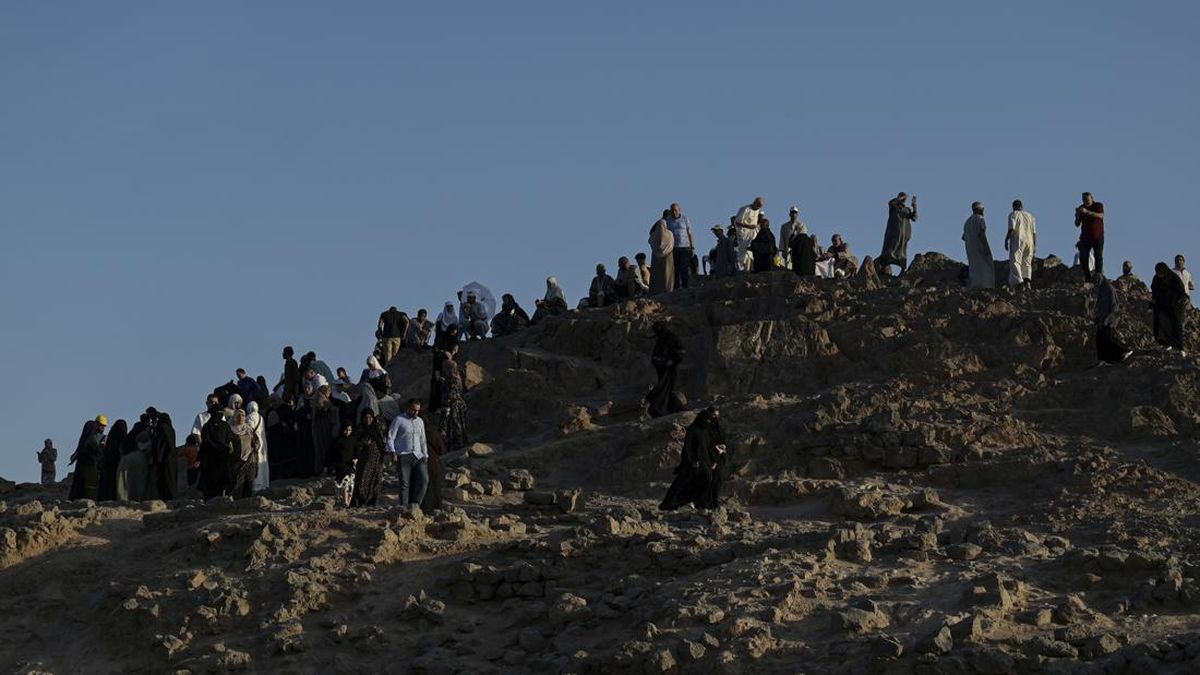
The historical context of Jabal Uhud underscores the sacrifices made by the early Muslims. The battle, despite its initial setbacks for the Muslims, ultimately reinforced their commitment and strategic understanding. Visiting Jabal Uhud provides pilgrims with a solemn opportunity to reflect on the bravery and devotion of those who defended Islam in its nascent stages. The rugged terrain and the vastness of the surrounding area evoke a sense of historical gravitas, allowing visitors to connect with the past on a profound level.
Al-Hejaz Railway Museum: A Gateway to Ottoman-Era Engineering and Culture
A remarkable testament to a bygone era of engineering and connectivity is the Al-Hejaz Railway Museum, recognized as a UNESCO World Heritage site. This museum acts as a historical archive, preserving around 2,000 artifacts that chronicle the cultural and technological advancements of Madinah during the Ottoman period.
The museum is situated on the grounds of what was once a monumental undertaking: the construction of a railway line connecting Madinah to Istanbul, the capital of the Ottoman Empire. Conceived by Sultan Abdul Hamid II, this ambitious project aimed to facilitate travel and trade across the vast empire, particularly for pilgrims journeying to the holy cities. While the project faced significant challenges and was eventually abandoned due to political shifts and logistical difficulties, its remnants now serve as a unique historical attraction.
The Al-Hejaz Railway Museum offers a fascinating glimpse into the logistical and engineering prowess of the Ottoman era. The preserved locomotives, carriages, and station buildings tell a story of ambition, cross-continental connectivity, and the strategic importance of Madinah. For visitors, it’s an opportunity to appreciate the historical threads that linked different parts of the Islamic world and the technological innovations that shaped travel in the early 20th century. The museum’s location in Al Suqya, Madinah, makes it an accessible and enriching addition to any post-Hajj itinerary.
Broader Implications and Pilgrim Experience
The availability of these historical sites for exploration after Hajj significantly enhances the overall pilgrimage experience. It transforms the journey from a singular act of worship into a more comprehensive immersion in Islamic heritage. By providing access to sites like Jabal Uhud and the Al-Hejaz Railway Museum, Saudi authorities are facilitating a deeper understanding and appreciation of the historical and cultural foundations of Islam.
The government’s emphasis on respecting the sacredness of the Hajj and Umrah journeys while still permitting exploration of historical sites strikes a balance. It acknowledges the primary spiritual purpose of the pilgrimage while recognizing the educational and inspirational value of these historical landmarks. This approach allows pilgrims to return home not only with their spiritual obligations fulfilled but also with a richer, more nuanced understanding of their faith’s history.
The continued preservation and promotion of these sites are vital for future generations of Muslims. They serve as tangible links to the past, offering lessons in faith, sacrifice, perseverance, and the rich tapestry of Islamic civilization. As Hajj 2026 draws to a close, the spiritual resonance of Madinah’s historical treasures will undoubtedly continue to inspire and educate countless pilgrims for years to come. The exploration of these sites is more than just sightseeing; it is a journey through time, connecting the present with the foundational moments of Islamic history.