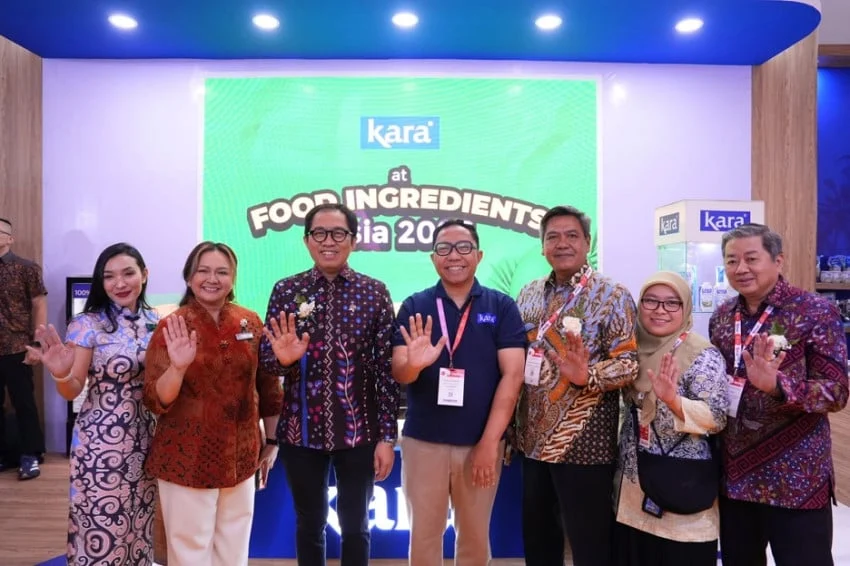
The Food Ingredients Asia (Fi Asia) Indonesia 2026, held at the Jakarta International Expo (JIExpo) from September 16 to 18, 2026, has emerged as a pivotal venue for the nation’s food and beverage sector, with KARA Indonesia taking center stage to promote the global competitiveness of Indonesian coconut-based products. As one of the most significant trade exhibitions in the region, Fi Asia serves as a strategic bridge connecting local producers, international suppliers, and industry stakeholders, facilitating the exchange of innovation, market insights, and cross-border commercial opportunities.
The Strategic Importance of Fi Asia 2026
Fi Asia is widely recognized as the premier gathering for the food ingredient industry in Southeast Asia. The 2026 edition in Jakarta attracted thousands of participants, ranging from multinational corporations to small-to-medium enterprises (SMEs) specializing in food technology, ingredients, and processing solutions. For the Indonesian market, the event is more than a trade show; it is an economic barometer that gauges how well domestic products can meet international standards in quality, sustainability, and supply chain reliability.
The exhibition provides a platform for companies to showcase advancements in food safety, ingredient efficacy, and sustainable sourcing—critical factors for navigating the increasingly complex global regulatory landscape. With the global demand for plant-based alternatives and natural ingredients rising, the presence of Indonesian coconut products, which represent a significant portion of the country’s agricultural output, is particularly timely.
KARA Indonesia: Delivering Indonesia’s Coconut to the World
Amidst the bustling aisles of the JIExpo, the KARA Indonesia booth stood out with its thematic focus: "Delivering Indonesia’s Coconut to the World." This initiative is not merely a marketing campaign but a calculated effort to reposition Indonesian coconut products—such as coconut milk, cream, water, and oil—as essential ingredients for global culinary applications.
By integrating traditional coconut-based ingredients with modern food technology, KARA aims to demonstrate that coconut is a versatile, high-value commodity. During the three-day event, the company facilitated various interactive sessions where culinary professionals and international buyers could experience the versatility of coconut derivatives. These sessions highlighted how coconut can serve as a healthier, plant-based alternative to dairy, a key selling point in Western markets that are increasingly pivoting toward sustainable and allergen-free nutrition.
Official Recognition and High-Level Engagement
The significance of KARA’s participation was underscored by a high-level official visit to their booth on the opening day, September 16, 2026. Deputy Minister of Industry Faisol Riza led a delegation that included Director General of Agro-Industry Putu Juli Andika, Director of Food, Marine, and Fishery Industry Dyan Garneta Paramita Sari, and Chairman of the Indonesian Food and Beverage Association (GAPMMI), Adhi S. Lukman.
The presence of these key government figures signifies the state’s continued commitment to fostering the downstream coconut industry. During the visit, the delegation was briefed on the technical advancements in the processing of coconut derivatives, emphasizing the value-added aspects of the production line. Minister Faisol Riza and his team explored how these local products are not only feeding domestic demand but are also actively contributing to Indonesia’s export balance.
Dwianto Arif Wibowo, Corporate Communication of Sambu Group, the parent company of KARA, noted that the visit served as a strong endorsement of the company’s efforts. "Through the theme ‘Delivering Indonesia’s Coconut to the World,’ KARA seeks to convey that Indonesia’s coconut resources possess immense potential for diverse food and beverage creations. We aim to present the goodness of authentic Indonesian coconut through culinary experiences that are globally relevant, while introducing the richness of Indonesia’s flavor profile to the international market," Wibowo stated.
The Macro-Economic Context of the Coconut Industry
To understand the scale of this effort, one must look at the broader economic context. Indonesia is consistently ranked as one of the world’s largest producers of coconuts. However, for decades, the industry relied heavily on the export of raw copra. The shift toward high-value, processed coconut products—such as those produced by KARA—marks a critical transformation in the country’s industrial strategy, aligning with the government’s push for "hilirisasi" or downstream processing.
By processing coconuts domestically, Indonesia captures more value within its own borders, creating jobs and enhancing the technological capabilities of the agricultural sector. The global market for coconut-based ingredients is expected to maintain a steady compound annual growth rate (CAGR) as consumers continue to prioritize health-conscious ingredients. Coconut milk, in particular, has seen a surge in popularity as a primary component in vegan cooking and the growing "free-from" food category.
Industry Implications and Future Outlook
The participation of major industry players like KARA at Fi Asia 2026 acts as a catalyst for future investment. The exchange of ideas during the event is expected to lead to new partnerships, potential joint ventures, and deeper integration of Indonesian ingredients into global supply chains.
The role of GAPMMI, represented by Adhi S. Lukman, is crucial in this ecosystem. As the primary association for food and beverage companies in Indonesia, GAPMMI works closely with the government to ensure that trade policies, ingredient regulations, and industry standards remain competitive. The dialogue established at Fi Asia serves to highlight the hurdles faced by local producers—such as logistics costs and international labeling standards—and provides a forum for stakeholders to find collaborative solutions.
Furthermore, the focus on "Delivering Indonesia’s Coconut to the World" touches upon the critical issue of sustainability. As global buyers demand greater transparency regarding environmental footprints, Indonesian producers are increasingly focusing on sustainable farming practices, circular economy models in waste management (such as utilizing coconut husks and shells for fuel or construction materials), and ethical labor practices. These elements are increasingly becoming non-negotiable requirements for entry into premium markets like the European Union and North America.
Analyzing the Impact of Fi Asia 2026
The long-term impact of the 2026 exhibition will likely be measured by the increase in export value for processed coconut products in the coming fiscal years. By showcasing the versatility of coconut in both savory and sweet applications, KARA is helping to break the stereotype that coconut is solely a traditional or regional ingredient.
Technological advancements showcased at the expo also suggest a move toward better shelf-life stability and nutrient retention, which are essential for long-distance exporting. The ability to maintain the freshness and flavor profile of coconut milk without the need for excessive additives is a key technological frontier that companies like KARA are currently exploring.
Conclusion
The Food Ingredients Asia 2026 exhibition has reinforced the status of Indonesia as a formidable player in the global food ingredient market. Through the dedicated efforts of companies like KARA and the strategic support of the Ministry of Industry, the Indonesian coconut industry is effectively moving from a raw material exporter to a source of high-quality, value-added products.
As the industry looks beyond 2026, the combination of rich natural resources, a growing focus on industrial downstreaming, and a commitment to international quality standards positions Indonesia to capture a larger share of the global market. The interactions held at JIExpo during this event are expected to leave a lasting impact on the trajectory of the nation’s food industry, fostering a more innovative, competitive, and globally integrated future for the iconic Indonesian coconut.