The Corruption Eradication Commission (KPK) has officially named Lalu Ahmad Zaini (LAZ), the incumbent Regent of West Lombok, as a suspect in an alleged corruption case, sending ripples across Indonesia’s regional governance landscape. This significant development follows a swift and decisive sting operation conducted by the anti-graft body in Lombok, leading to the apprehension of the regent along with two other key individuals. The probe centers on allegations of conflict of interest, bribery, and gratification stemming from procurement processes within the West Lombok Regency administration, underscoring the KPK’s unwavering commitment to combating corruption at all levels of government.
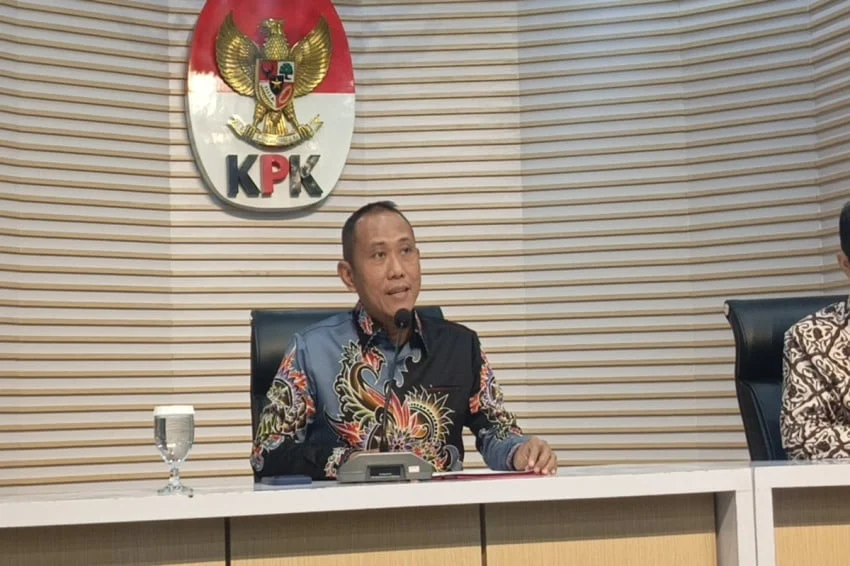
The announcement was made by Plt. Director of Investigation Achmad Taufik Husein during a press conference in Jakarta on Tuesday, July 21, 2026, just a day after the trio were apprehended in a meticulously planned sting operation. Alongside Regent Lalu Ahmad Zaini, the KPK also identified Sudirman (SUD), the Director of PT Air Minum Giri Menang Lombok Barat – the regional water utility company – and Alvonsus Gani (ALG), the Director of Meconel Sistem Instrument, a private sector entity, as suspects in the same case. The swift escalation from an arrest operation to the formal naming of suspects highlights the robust preliminary evidence gathered by the KPK, which has now transitioned the case into the investigative phase.
Chronology of Events Leading to Suspect Naming
The path to this significant legal action began on Monday, July 20, 2026, when KPK investigators launched an extensive sting operation in Lombok. Details surrounding the precise circumstances of the arrests remain under wraps as is typical for ongoing investigations, but it is understood that the operation was the culmination of weeks, possibly months, of intelligence gathering and surveillance. Operations such as these, commonly referred to as Operasi Tangkap Tangan (OTT) or Hand-Catch Operations, are a hallmark of the KPK’s aggressive approach to corruption, often involving the direct apprehension of individuals caught in the act of committing illicit transactions.
Following their apprehension, Lalu Ahmad Zaini, Sudirman, and Alvonsus Gani were immediately brought to the KPK headquarters in Jakarta for intensive questioning. The legal framework governing such operations dictates a strict timeline for determining the status of those apprehended. Within a maximum of 24 hours, the KPK must decide whether to release the individuals or elevate their status to that of suspects, thereby initiating a formal investigation. In this instance, based on the compelling preliminary evidence presented, the KPK moved swiftly to name all three as suspects.
During the press conference on Tuesday, July 21, 2026, Achmad Taufik Husein confirmed that the case had been elevated to the investigation stage. He elaborated that the Regent, Lalu Ahmad Zaini, is specifically implicated in alleged conflict of interest, bribery, and gratification. As part of the ongoing judicial process, all three suspects have been formally detained for the first 20 days, effective from July 21 to August 9, 2026. They are currently being held at the KPK’s detention facility located within its Red and White Building in Jakarta, a standard procedure to prevent obstruction of justice, flight risk, or tampering with evidence.
The Allegations: Conflict of Interest, Bribery, and Gratification
The charges leveled against the suspects are serious and multifaceted, touching upon core principles of good governance and public trust.
-
Conflict of Interest: Lalu Ahmad Zaini, in conjunction with Sudirman, is alleged to have violated Article 12 letter i of Law No. 20 of 2001 concerning the Amendment to Law No. 31 of 1999 regarding the Eradication of Criminal Acts of Corruption. This article specifically targets public officials who, by abusing their authority, directly or indirectly participate in the procurement of goods or services for which they have a personal or family interest. This charge suggests that Regent Zaini may have used his position to influence procurement decisions involving PT Air Minum Giri Menang, potentially benefiting himself or entities he has a connection to. Such actions undermine fair competition and resource allocation, diverting public funds from their intended purpose.
-
Bribery: The charges also include allegations of bribery in the procurement of goods and services within the West Lombok Regency government. Lalu Ahmad Zaini and Sudirman are implicated as recipients of bribes, falling under Article 12 letter a or letter b, and/or Article 12B of Law No. 31 of 1999 as amended by Law No. 20 of 2001 concerning the Eradication of Criminal Acts of Corruption, in conjunction with Article 20 letter c and Article 21 of Law No. 1 of 2023 concerning the Criminal Code (KUHP). These articles deal with public officials who accept gifts or promises in connection with their positions, or receive gratification deemed as bribery. Bribery in public procurement typically involves officials accepting illicit payments in exchange for awarding contracts to specific vendors, often at inflated prices or for substandard work.
-
Gratification: While often intertwined with bribery, gratification refers to the broader act of receiving gifts, money, or other benefits due to one’s position, which is then deemed a form of bribery if it relates to official duties and is not reported. The inclusion of Article 12B specifically addresses this, covering a wide range of illicit benefits.
-
Giving Bribes: Alvonsus Gani, as the Director of Meconel Sistem Instrument, is accused of being the party providing the illicit payments. He has been charged under Article 605 or Article 606 paragraph (1) of Law No. 1 of 2023 concerning the Criminal Code, in conjunction with Law No. 1 of 2026 concerning the Adjustment of Criminal Penalties. These articles pertain to individuals who give or promise something to public officials with the intent of influencing their decisions or actions, highlighting the demand and supply sides of the corruption chain.
The Significance of Regional Head Corruption in Indonesia
The case involving the Regent of West Lombok is not an isolated incident but rather indicative of a persistent challenge in Indonesia’s decentralised governance system. Since the implementation of regional autonomy in the early 2000s, local governments have been granted significant authority over their budgets, development projects, and public services. While intended to bring governance closer to the people and foster local development, this devolution of power has also, unfortunately, created new avenues for corruption.
Data from the KPK consistently shows that regional heads – including governors, regents, and mayors – are among the most frequently prosecuted categories of officials. This is often attributed to the immense power concentrated in their hands, particularly concerning budget allocation, licensing, and public procurement. Public procurement, in particular, is widely recognized as a high-risk area for corruption globally, and Indonesia is no exception. The complex processes, large sums of money involved, and potential for discretion offer ample opportunities for illicit practices like bid-rigging, kickbacks, and inflated pricing.
West Lombok, like many other regencies in Indonesia, relies heavily on its annual budget for infrastructure development, public services, and economic programs. The integrity of its procurement processes is therefore paramount to ensuring that public funds are utilized efficiently and effectively for the benefit of its citizens. Allegations of corruption, especially involving the highest local authority, can severely undermine public trust, deter legitimate investment, and derail crucial development initiatives.
The Role of PT Air Minum Giri Menang and Meconel Sistem Instrument
The involvement of PT Air Minum Giri Menang, the regional water utility, adds another layer of public interest to this case. Access to clean water is a fundamental human right and a critical public service. Any corruption within a water utility directly impacts the quality, availability, and affordability of water for residents. Such cases often lead to inflated costs for consumers, delays in infrastructure upgrades, or compromised service delivery. Sudirman, as the Director of this vital public enterprise, would have been in a position of significant influence over its procurement decisions and operations, making his alleged involvement particularly concerning.
Meconel Sistem Instrument, a private company, is implicated as the provider of the bribes. In public procurement schemes, private sector entities often engage in corrupt practices to gain an unfair advantage over competitors, secure lucrative contracts, or bypass regulations. This dynamic highlights the symbiotic relationship between corrupt officials and unethical businesses, where both parties benefit at the expense of public welfare and fair market practices. The nature of Meconel Sistem Instrument’s business (implied to be related to systems and instruments) suggests it might be involved in technology, infrastructure, or specialized equipment procurement, areas often associated with high-value contracts.
Legal Framework and Potential Penalties
The legal articles cited by the KPK underscore the severity of the alleged offenses. Law No. 20 of 2001 on the Eradication of Criminal Acts of Corruption, which amended Law No. 31 of 1999, is the primary legislation used by the KPK. This law carries substantial penalties, including lengthy prison sentences and hefty fines, for various corruption offenses.
- Article 12 (Conflict of Interest, Bribery, Gratification): For public officials found guilty under these articles, the penalties can range from four to twenty years imprisonment, or even life imprisonment, along with fines typically starting from hundreds of millions to billions of Indonesian Rupiah. The specific penalty depends on the nature and extent of the corruption.
- Article 605/606 of the KUHP (New Criminal Code): The recent inclusion of articles from Law No. 1 of 2023 (the new Criminal Code) and Law No. 1 of 2026 (on Adjustment of Criminal Penalties) demonstrates the evolving legal landscape for prosecuting corruption. While specific penalties under these new laws are still being established in practice, they are expected to align with or even enhance the deterrent effect against corruption. For bribe-givers, penalties often include imprisonment and significant fines, reflecting the legal principle that both the giver and receiver of bribes are culpable.
These legal provisions reflect Indonesia’s commitment to a robust anti-corruption framework, aimed at deterring corrupt practices and ensuring accountability for public officials and private actors who exploit their positions for personal gain.
Official Reactions and Broader Implications
The announcement by the KPK has triggered a series of reactions from various stakeholders.
- KPK’s Stance: Plt. Director of Investigation Achmad Taufik Husein, in his statement, reiterated the KPK’s unwavering resolve to root out corruption. He emphasized that the KPK acts based on strong preliminary evidence and adheres to due process. This case serves as a fresh reminder that no one, regardless of their position, is above the law, reinforcing the institution’s mandate to uphold integrity in public service.
- West Lombok Provincial Government: While an immediate official statement from the West Lombok Provincial Government might be cautious due to the ongoing investigation, it is typically expected that they would express regret over the situation, affirm their commitment to cooperate fully with the KPK, and assure the public that local governance and public services will continue without disruption. They would likely also emphasize internal efforts to strengthen oversight and prevent similar incidents.
- Civil Society Organizations and Anti-Corruption Watchdogs: Groups dedicated to good governance and anti-corruption advocacy are expected to welcome the KPK’s action, while simultaneously calling for a thorough and transparent investigation. They would likely stress the importance of protecting whistleblowers, ensuring a fair trial, and advocating for systemic reforms to prevent future corruption, particularly in public procurement. This case will likely be highlighted as evidence of the persistent need for robust anti-corruption measures at the regional level.
- Legal Experts: Legal commentators would likely discuss the implications of the charges, the strength of evidence typically gathered in OTT cases (which often involve direct transactional proof), and the potential for a swift legal process. They might also analyze the application of the new Criminal Code articles, which are gradually being integrated into corruption prosecutions.
- Public Opinion: Public reaction is likely to be a mix of disappointment, anger, and a renewed call for accountability. The public often bears the direct brunt of corruption through diminished public services, higher costs, and a general erosion of trust in government. This case, like others involving regional heads, will likely fuel public demand for cleaner governance and greater transparency.
The implications of this case extend beyond West Lombok. It sends a strong message across Indonesia’s 500+ regencies and cities that regional autonomy comes with significant responsibility and that the KPK remains vigilant in monitoring potential abuses of power. This incident could prompt other regional administrations to review their internal control mechanisms, procurement procedures, and ethical guidelines for officials. Furthermore, it reinforces the crucial role of the KPK as an independent institution vital for maintaining checks and balances within the Indonesian governance framework. The ongoing fight against corruption remains a cornerstone of national development and efforts to improve the quality of public services and foster a fair and equitable society. The resolution of this case will be closely watched as a benchmark for justice and accountability in Indonesia.