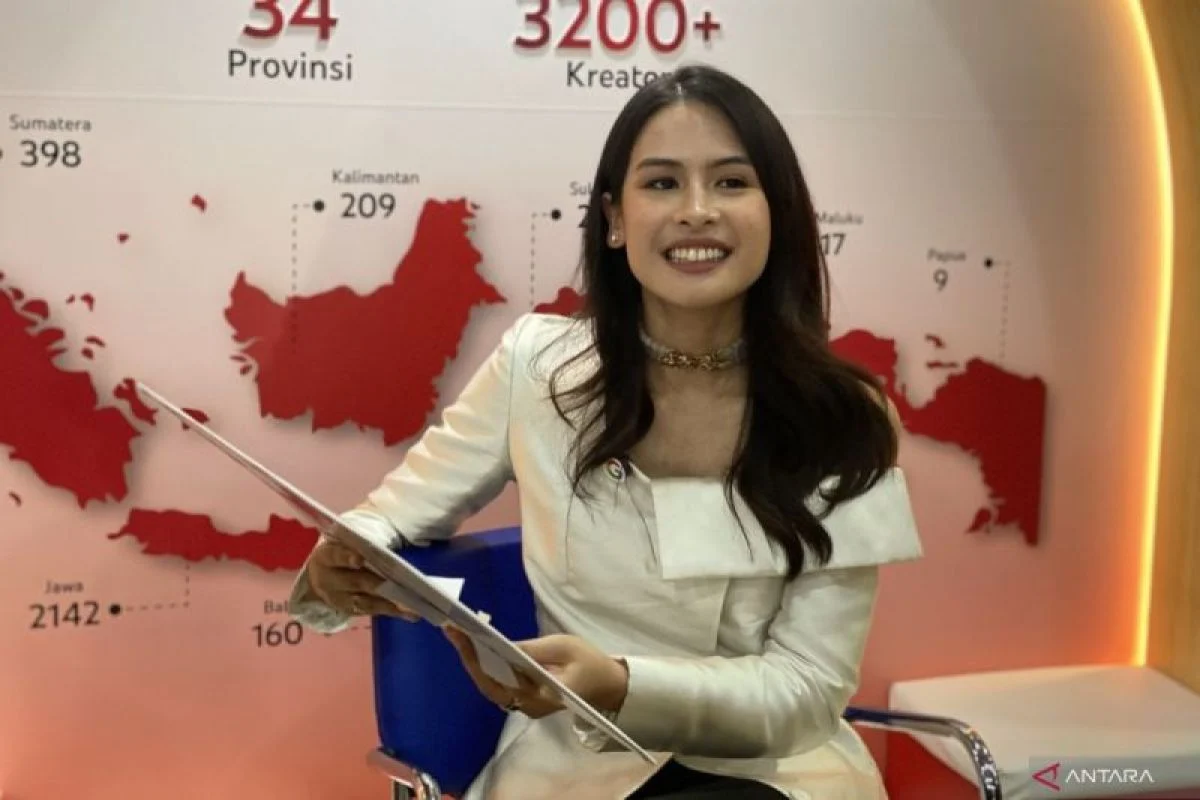
Jakarta is known for its dynamic digital landscape, where social media trends can shift from celebratory to critical within a matter of hours. Recently, public figure, entrepreneur, and influencer Maudy Ayunda found herself at the center of a intense online storm on the platform formerly known as Twitter, now referred to as X. The multi-talented public figure, widely celebrated for her academic achievements at prestigious institutions such as the University of Oxford and Stanford University, faced sharp criticism following the release of a YouTube video titled "mindfulness in the age of bad news" on August 21, 2026.
The digital discourse rapidly escalated from a few disgruntled comments into a widespread national conversation regarding privilege, social awareness, public expectations of prominent figures, and the ethical responsibilities of business owners who draw resources from sensitive ecosystems. As the conversation unfolded, it prompted broader reflections on how public figures communicate with audiences experiencing systemic hardships and economic or environmental anxieties.
The Spark of the Controversy and the Core Message of the Video
The public outcry began when an X user, operating under the handle @pandaleezasol, publicly announced their decision to unsubscribe from Maudy Ayunda’s official YouTube channel. This individual expressed deep frustration over the content of the newly released video, arguing that the message delivered by Maudy felt distinctly "tone-deaf" given the contemporary socio-political and environmental climate in Indonesia at the time.
In the video, Maudy discussed her personal experiences with emotional exhaustion. She shared that she often felt overwhelmed by the constant influx of distressing information circulating through global and local media channels. To combat this psychological fatigue, she recommended a strategy often termed "news fasting"—intentionally limiting daily media consumption and stepping away from negative news cycles as a method to preserve mental health and maintain emotional well-being.
While the advice to practice mental self-care is a common trope in modern wellness culture, it landed poorly with a significant portion of her audience. Critics argued that advising individuals to simply turn away from the news during a period marked by severe social crises—including regional forest fires, natural disasters, and contentious public policy shifts—smacked of escapism. For many everyday citizens, ignoring the news is an impossibility because these crises directly threaten their livelihoods, homes, safety, and basic human rights.
Expanding Criticism: The Intersection of Business Practices and Social Privilege
As the video garnered traction and criticism multiplied, the scope of the online debate broadened beyond the content of the YouTube upload itself. Warganet, or Indonesian netizens, began scrutinizing Maudy’s commercial enterprises, most notably her beauty and skincare brand, From This Island.
The brand, which heavily markets its identity around natural ingredients sourced from various regions across the Indonesian archipelago, utilizes tengkawang fat harvested from the rainforests of Kalimantan. At the time of the controversy, Kalimantan’s ecosystems were facing heightened ecological pressures and deforestation threats. This realization created what many online commentators viewed as a glaring contradiction.
Critics pointed out the ethical dissonance of a business model that extracts economic value and natural resources from local, vulnerable ecosystems, while the founder simultaneously advises the general public to disengage from the very news cycles that report on environmental degradation and social struggles in those exact regions. Because of Maudy’s elite educational background—holding degrees from Oxford and Stanford—the public held her to a significantly higher standard of critical thinking, structural awareness, and social empathy. Commentators argued that an intellectual of her stature should inherently recognize the structural inequalities that prevent ordinary people from simply "opting out" of harsh socio-economic realities.
Understanding the Role of Privilege in Modern Digital Wellness
The core of the backlash centered heavily on the concept of privilege. In sociological terms, privilege refers to special rights, advantages, or immunities granted to a particular person or group. In the context of modern information consumption, the ability to disconnect from distressing news is a luxury afforded primarily to those whose immediate survival is not threatened by systemic issues.
For marginalized communities, low-income families, and residents living in disaster-prone or ecologically vulnerable zones, news consumption is not a matter of casual interest; it is a vital survival tool. Weather updates warn of impending floods, policy announcements dictate economic survival, and investigative journalism highlights threats to community lands. By telling an audience, many of whom face these daily struggles, to practice mindfulness by ignoring the news, the video inadvertently highlighted the vast gulf in lived experiences between an affluent celebrity and the average citizen.
Digital media analysts noted that this incident reflects a broader global tension between wellness culture and social activism. While wellness influencers frequently promote self-care, mental health preservation, and boundary-setting, these concepts are often developed within individualistic frameworks that fail to account for systemic inequities. When applied universally without contextual nuance, well-intentioned advice can easily be perceived as dismissive of collective suffering.
Official Clarification and Public Apology from Maudy Ayunda
Recognizing the gravity of the growing backlash and the validity of several points raised by her audience, Maudy Ayunda took swift action to address the controversy. She utilized the comment section of the disputed YouTube video, pinning a formal statement to ensure that viewers who encountered the content would also see her response and reflection.
In her clarification, Maudy clarified her original intent. She stated firmly that she never intended to encourage her audience to adopt an apolitical stance or to remain indifferent to the suffering of others. Instead, her primary objective was to share personal coping mechanisms aimed at preventing burnout in an era characterized by digital saturation and information overload.
However, Maudy demonstrated a high degree of accountability by openly acknowledging the blind spots in her initial presentation. She explicitly admitted that she had failed to adequately consider the role of privilege in her discussion of news consumption.
"Being able to step away from the news is itself a privilege. Not everyone has that choice, especially when what is happening impacts their lives directly, their families, their work, or their communities," Maudy wrote in her pinned comment.
She offered a direct and unreserved apology for her oversight, noting that this critical dimension should have been thoroughly reflected upon and articulated within the video itself. Furthermore, she emphasized that the concept of mindfulness should never serve as an excuse for willful ignorance or emotional detachment from real-world injustices. Concluding her statement, Maudy expressed genuine gratitude to her audience for holding her accountable through constructive feedback.
"I hear and I appreciate the feedback. I’m listening and learning," she concluded, signaling a willingness to engage in continuous self-reflection and personal growth.
Broader Implications and Lessons for Public Figures in the Digital Age
The controversy surrounding Maudy Ayunda serves as a compelling case study regarding the delicate relationship between public figures, digital content creators, and their audiences in contemporary Indonesia. As social media platforms continue to democratize communication, influencers and celebrities wield unprecedented reach, but this influence comes paired with heightened scrutiny and immediate accountability.
Several key implications emerge from this incident:
- Contextual Sensitivity in Wellness Content: Content creators who focus on mental health, lifestyle, and mindfulness must recognize that self-care advice is not culturally or economically neutral. Strategies that work for high-income individuals may be entirely inaccessible or tone-deaf when generalized to populations facing systemic hardships.
- The Scrutiny of Brand Ethos: For entrepreneurial public figures, personal brand alignment with business practices is subject to intense public auditing. Consumers increasingly demand corporate social responsibility and genuine ecological stewardship, rejecting superficial branding that contradicts real-world environmental or social impacts.
- The Value of Responsive Accountability: Maudy Ayunda’s handling of the crisis highlights the importance of timely, transparent, and empathetic communication. Rather than ignoring the backlash or issuing a defensive statement, her direct acknowledgment of privilege and willingness to listen effectively mitigated a potentially longer-lasting reputational crisis.
Ultimately, the digital storm sparked by the mindfulness video underscores a maturing internet culture in Indonesia. Audiences are increasingly vocal in demanding that their role models demonstrate not only academic and professional excellence, but also deep empathy, structural awareness, and a nuanced understanding of socio-economic disparities. As public figures navigate the complexities of digital media production in the years ahead, this incident will likely stand as a significant reminder of the responsibilities that accompany widespread public influence.