The recent eruptive activity of Mount Anak Krakatau has once again blanketed surrounding residential and infrastructural zones in layers of volcanic ash, triggering urgent advisories for motorists and vehicle owners regarding deep-seated mechanical vulnerabilities that extend far beyond simple exterior cosmetic damage. While standard post-disaster protocol generally emphasizes washing down the car body to prevent paint corrosion, automotive experts, geological authorities, and disaster mitigation agencies stress that microscopic volcanic debris poses a far more insidious threat to internal vehicular ecosystems. Unlike common road dust or urban smog, volcanic ash is composed of pulverized rock, glass shards, and crystalline particles. These jagged fragments are intensely abrasive, and when they infiltrate internal components—such as combustion chambers, braking systems, and electrical relays—they can catalyze rapid mechanical wear, system failures, and catastrophic engine degradation if left unaddressed.
Geological Context and Chronology of the Eruption
Mount Anak Krakatau, situated in the Sunda Strait between the islands of Java and Sumatra, has maintained an active baseline profile characterized by periodic strombolian to vulcanian eruptions. Originating from the remnants of the catastrophic 1883 eruption of Krakatoa, the modern volcanic cone frequently experiences constructive and destructive phases, generating sudden ash plumes that drift across regional airspaces and settle heavily over coastal settlements in Banten and Lampung provinces.
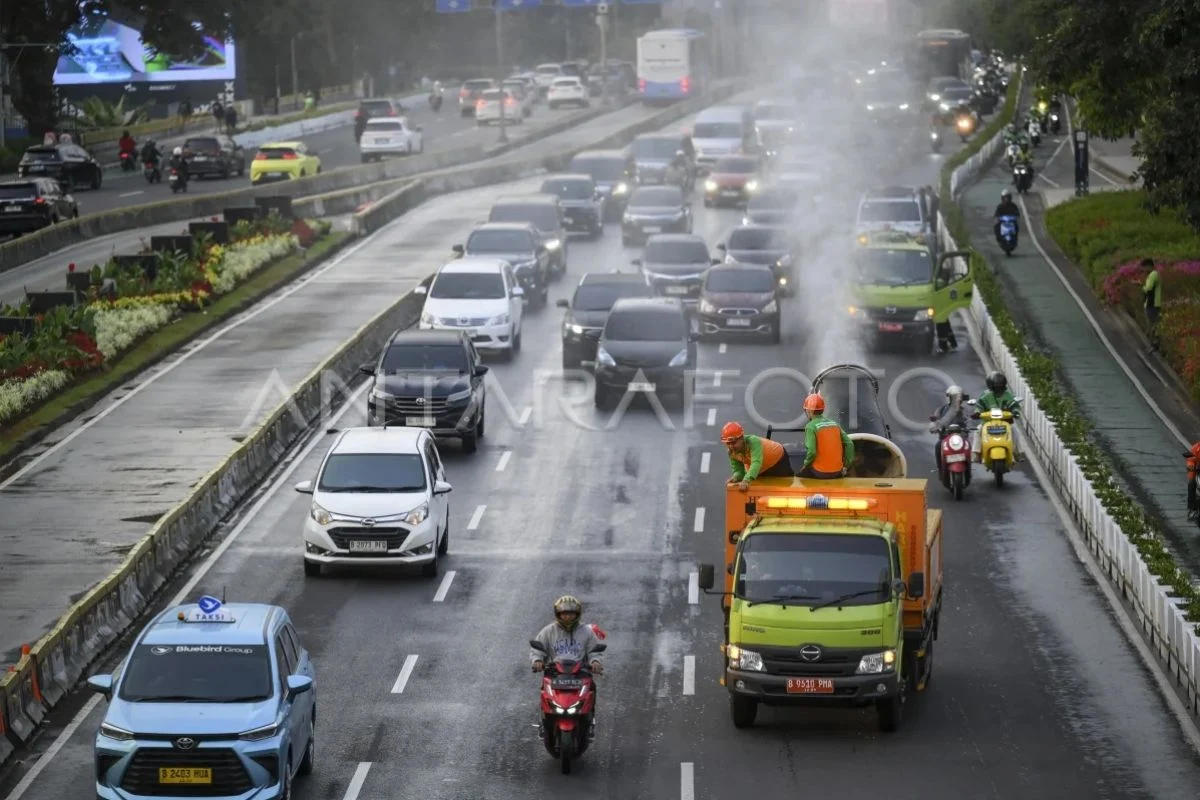
In the wake of the latest significant explosive phase, prevailing winds carried dense clouds of tephra and ash across high-traffic thoroughfares and residential parking zones. Local disaster management units immediately deployed tactical assets, including armored water cannon (AWC) vehicles managed by regional police brigades, to wash down primary roads and mitigate airborne particulate hazards. However, thousands of civilian vehicles parked outdoors or driven through active ash plumes during the peak of the emission cycle absorbed heavy accumulations of the abrasive particulate matter, setting the stage for long-term mechanical complications.
The Abrasive Nature of Volcanic Tephra
To understand why surface washing alone is insufficient, vehicle owners must comprehend the chemical and physical makeup of volcanic ash. According to data compiled by the United States Geological Survey (USGS), volcanic ash is not organic soot; it is hard, highly jagged, and chemically inert, yet micro-abrasive.
When a vehicle moves through ash-laden air, or when wind drives the debris into every crevice, these microscopic shards settle into seals, gaskets, fluid reservoirs, and moving metal interfaces. The friction generated by normal mechanical operation—such as engine pulsing, braking, or turning wiper blades—transforms the trapped ash into an effective grinding compound. Consequently, specialized post-eruption maintenance requires a comprehensive multi-point inspection of seven critical vehicle zones.
1. Engine Air Filtration and Internal Combustion Integrity
The engine air filter serves as the primary frontline defense against airborne contaminants. During a heavy ash fall, fine volcanic particles rapidly choke the porous material of the air filter, severely restricting the volume of oxygen required for optimal combustion.
If a vehicle is operated persistently under these conditions, the pressure differential can cause microscopic ash particles to bypass the filtration medium entirely. Once inside the intake manifold, these jagged shards mix with engine oil and interact directly with cylinder walls, piston rings, and valve guides. Geological and mechanical studies underscore that even trace amounts of volcanic ash entering the combustion chamber will induce premature scoring and abrasive wear, dramatically shortening engine lifespan. Technicians strongly advise replacing air filters immediately following exposure to heavy ash, rather than attempting to clean them with compressed air, which can compromise the filter media.
2. Braking Systems and Hydraulic Safety
The kinetic operation of automotive braking systems relies on precision friction between brake pads and rotors or drums. When volcanic ash infiltrates the wheel wells, caliper assemblies, and sliding pins, it mixes with existing brake dust and moisture to form an abrasive paste.
This contaminant accelerates the wear rate of both brake pads and rotor surfaces, often producing audible squealing, diminished stopping responsiveness, and localized overheating. Vehicles subjected to heavy ash conditions should undergo a thorough brake disassembly and cleaning at a certified service center to clear trapped particulates from the sliding mechanisms and hydraulic seals.
3. Cooling Efficiency: Radiators and Heat Exchangers
Modern internal combustion engines generate immense thermal energy, which is dissipated primarily through the radiator core. The delicate aluminum fins of the radiator are designed to capture ambient airflow to cool the engine coolant as it circulates.
Volcanic ash easily packs into the narrow interstitial spaces between these cooling fins, creating an insulative barrier that chokes airflow. If left unaddressed, this blockage compromises the vehicle’s thermal management system, elevating operating temperatures and increasing the risk of engine overheating, warped cylinder heads, or blown head gaskets. Post-eruption maintenance must include a low-pressure water flush directed through the front grille to clear the radiator matrix without bending the fragile fins.
4. Cabin Air Quality and Air Conditioning Systems
The vehicle’s climate control system draws ambient air into the cabin to regulate temperature and ventilation. In ash-affected regions, this intake process pulls in high concentrations of fine particulates, depositing them directly onto the cabin air filter and the evaporator core.
As moisture from the air conditioning condensation mixes with the accumulated ash, it can form a hardened crust that fouls the evaporator coils, fosters microbial growth, and emits persistent odors. Furthermore, operating the blower fan without replacing a choked cabin filter forces particulate matter directly into the breathing zone of the vehicle’s occupants, presenting potential respiratory irritations. Owners should inspect and replace cabin filters immediately and utilize the internal air recirculation mode when navigating dusty environments.
5. Windshield Integrity and Wiper Blade Preservation
One of the most common and easily preventable errors committed by motorists during ash falls involves improper glass clearing. Driven by urgency, drivers frequently activate windshield wipers and spray washer fluid over a dry, ash-covered windscreen.
Because volcanic ash is essentially powdered glass and rock, dragging dry wiper blades across the windshield acts like sandpaper, resulting in severe, permanent scratching of the glass surface and the rapid tearing of rubber wiper inserts. Standard protocol dictates that loose ash must first be thoroughly flooded and rinsed away using copious amounts of low-pressure water before any mechanical wiping action is initiated.
6. Electrical Systems, Alternators, and Wiring Harnesses
While modern engine bays are engineered with weather-resistant seals, fine particulate volcanic ash possesses a unique capacity to creep into electrical connectors, sensor housings, and alternator ventilation slots.
The USGS notes that dry volcanic ash is a relatively poor electrical conductor; however, when it mixes with morning dew, high humidity, or rainwater, it becomes mildly conductive and highly corrosive. This slurry can bridge electrical terminals, trigger false sensor readings, short-circuit sensitive electronic control units (ECUs), and impede the cooling efficiency of the alternator. Vehicles exposed to thick ash accumulations should have their engine bays professionally detailed and inspected by qualified automotive electricians to prevent long-term wiring corrosion.
7. Lubrication Contamination and Oil Analysis
Perhaps the most critical internal hazard involves the engine oil and lubrication pathways. If compromised air filters permit ash ingress into the upper engine bay, or if fine particulates infiltrate via unsealed dipstick tubes and oil filler caps during high-wind ash storms, the engine oil becomes contaminated.
Oil serves to cushion and lubricate moving metal parts; the introduction of abrasive silica particles turns the engine oil into an internal lapping compound. This accelerates wear across crankshaft bearings, camshaft lobes, and timing chain guides. Mechanics recommend performing an immediate oil and filter change if a vehicle has logged significant mileage through heavy ash fall zones, ensuring that any abrasive particulate suspension is completely drained from the crankcase.
Strategic Remediation and Proper Cleaning Techniques
Beyond component inspections, automotive authorities emphasize that the physical remediation process must be executed with precision. Owners are strongly advised against using high-pressure air compressors to blow dry ash off vehicle panels or engine components. Compressed air inevitably forces the ultra-fine particulate matter deeper into weatherstripping, electrical plugs, and mechanical joints, while simultaneously launching abrasive clouds into the surrounding atmosphere, endangering respiratory health.
Instead, the cleaning process should begin with a gentle, high-volume, low-pressure water rinse starting from the roof and working downward, allowing gravity to carry the heavy debris away without dragging particles across painted surfaces. For vehicles heavily impacted by continuous ash fall, disaster response agencies and transport ministries recommend restricting vehicle usage entirely until official advisories indicate that atmospheric particulate concentrations have subsided to safe operating levels.
Ultimately, mitigating the aftermath of a volcanic eruption requires a paradigm shift in vehicle maintenance. Treating a post-eruption cleanup as a mere cosmetic car wash leaves a vehicle vulnerable to systemic, cumulative mechanical failure. By systematically inspecting air induction, braking, cooling, climate control, electrical, and lubrication systems, motorists can safeguard their investments and ensure operational reliability in the face of ongoing geological volatility.