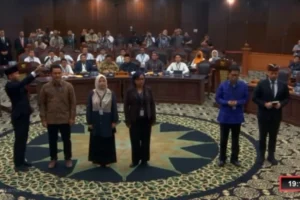
The Indonesian Ministry of Culture has announced that the long-anticipated revitalization of Keraton Kasunanan Surakarta Hadiningrat, recognized as a national cultural heritage site, will officially commence this year. The ambitious project aims to restore the physical grandeur of the palace complex while simultaneously strengthening its historical narrative, enhancing professional management, and leveraging modern technology to elevate its public services and cultural offerings. The announcement, made by Minister of Culture Fadli Zon during a press conference in Jakarta on Thursday, July 23, underscores the government’s steadfast commitment to preserving Indonesia’s rich cultural patrimony, even in the face of persistent internal conflicts that have plagued the revered Javanese royal court.
Minister Fadli Zon emphasized the paramount importance of the Keraton Surakarta, stating, "Because Keraton Surakarta has been designated a national cultural heritage, we are beginning its implementation this year, under the execution appointed by the government, namely Panembahan Agung Tedjowulan." This declaration signals a decisive step by the government to intervene and facilitate the restoration of a site critical to Javanese identity and national heritage. The project, as outlined, extends beyond mere structural repairs, envisioning the Keraton’s evolution into a premier destination seamlessly integrating cultural, historical, religious, and educational tourism. This holistic approach is designed to ensure the Keraton’s relevance and sustainability for future generations, transforming it into a vibrant hub that showcases the depth and breadth of Javanese civilization.
The Government’s Mandate and Appointed Leadership
Central to the commencement of the revitalization efforts is the formal appointment of Maha Menteri Kanjeng Gusti Panembahan Agung Tedjowulan as the authorized executor for the Keraton Surakarta. This appointment was formalized through a significant legal instrument: the Decree of the Minister of Culture Number 8 of 2026. This decree, titled "Appointment of the Executor for the Protection, Development, and/or Utilization of the Cultural Heritage Area of Keraton Kasunanan Surakarta Hadiningrat as a National Level Cultural Heritage Area," provides the overarching legal framework and mandate for the comprehensive project. While the decree itself is dated 2026, its issuance signifies a forward-looking strategy by the government, establishing a robust legal foundation for sustained intervention and long-term stewardship of the Keraton. This proactive measure aims to preempt future uncertainties and ensure continuity in the revitalization process. The government’s decision to name a specific individual as the executor reflects a pragmatic approach to streamline decision-making and project implementation, particularly crucial given the historical complexities surrounding the palace’s administration.
The selection of Panembahan Agung Tedjowulan for this critical role is viewed by many as a strategic move to navigate the intricate political landscape within the Keraton. His position and influence are expected to facilitate smoother operations and garner necessary cooperation, though the path remains fraught with challenges. The Ministry has made it clear that despite the lingering internal power struggles, any attempts to obstruct the revitalization efforts will be met with legal action. "Although leadership disputes have persisted since the passing of Pakubuwono XII, the government will uphold the law if there are efforts to hinder this revitalization," Minister Fadli Zon asserted, sending a strong message about the government’s resolve to see the project through. This firm stance underscores the government’s recognition of the Keraton’s status as a national asset, transcending individual or factional interests.
Historical Significance of Keraton Kasunanan Surakarta Hadiningrat
To fully appreciate the scope and significance of this revitalization project, it is essential to delve into the rich history of Keraton Kasunanan Surakarta Hadiningrat. Established in 1745 by Susuhunan Pakubuwono II, the Keraton (palace) served as the official seat of the Surakarta Sunanate, a successor state to the powerful Mataram Sultanate. Its foundation marked a pivotal moment in Javanese history, following the relocation from Kartasura and the subsequent division of the Mataram kingdom under the Treaty of Giyanti in 1755, which split it into Surakarta and Yogyakarta. This division effectively created two distinct centers of Javanese culture and power, each with its own Keraton.
Keraton Surakarta, with its distinctive architecture, sprawling complex, and profound spiritual significance, quickly became a vibrant hub for the development and preservation of classical Javanese arts, literature, philosophy, and courtly traditions. It served not only as the residence of the Sunan and his family but also as the administrative center, a sacred space for rituals, and a repository of invaluable historical artifacts and manuscripts. The palace complex itself is a testament to Javanese architectural prowess, featuring intricate carvings, traditional joglo and limasan structures, and symbolic layouts that reflect deep cosmological beliefs. Its vast collection of gamelan instruments, ancient weapons, royal regalia, and sacred heirlooms (pusaka) further underscores its role as a living museum of Javanese heritage.
For centuries, the Keraton has been the guardian of intangible cultural heritage, including various dance forms, theatrical performances like Wayang Wong, traditional music, and elaborate court ceremonies that continue to be practiced and passed down through generations. These traditions are not merely performances but are deeply embedded in the spiritual and social fabric of Javanese society, embodying philosophical concepts of harmony, hierarchy, and cosmic order. The preservation of the physical structure is thus inextricably linked to the perpetuation of these living traditions, making the revitalization project a critical endeavor for both tangible and intangible heritage.
The Succession Dispute: A Lingering Challenge
The government’s intervention in the Keraton Surakarta’s affairs is largely necessitated by a protracted and deeply entrenched leadership dispute that has paralyzed the palace’s administration and hampered its upkeep for decades. The crisis began with the passing of Susuhunan Pakubuwono XII in 2004, who died without explicitly naming a successor. This void triggered a bitter struggle among his descendants, primarily between his two sons, Tedjowulan (later appointed by the government as the executor) and Hangabehi. Each faction claimed legitimate succession, leading to parallel coronations and the establishment of rival administrative structures within the Keraton.
This internal schism has had devastating consequences for the Keraton. Resources that should have been allocated for maintenance and preservation were instead diverted or became inaccessible due to legal battles and factional control. The physical condition of the palace complex deteriorated significantly, with many structures falling into disrepair, gardens becoming overgrown, and precious artifacts vulnerable to neglect or improper storage. Moreover, the dispute created an environment of uncertainty and instability, making it difficult to implement any coherent plan for cultural preservation or tourism development. Cultural activities, once a hallmark of the Keraton, diminished, and its role as a vibrant cultural center waned.
For years, local authorities and cultural observers have lamented the impasse, recognizing that without a unified leadership, the Keraton’s future as a national heritage site was in jeopardy. The government’s decision to appoint an executor and enforce its authority reflects a move to overcome this deadlock, prioritizing the preservation of the heritage over the resolution of internal family disputes, at least in the context of the revitalization project. This approach, while potentially controversial among some factions, is seen as a necessary step to safeguard an irreplaceable national treasure.
A Comprehensive Vision for Revitalization
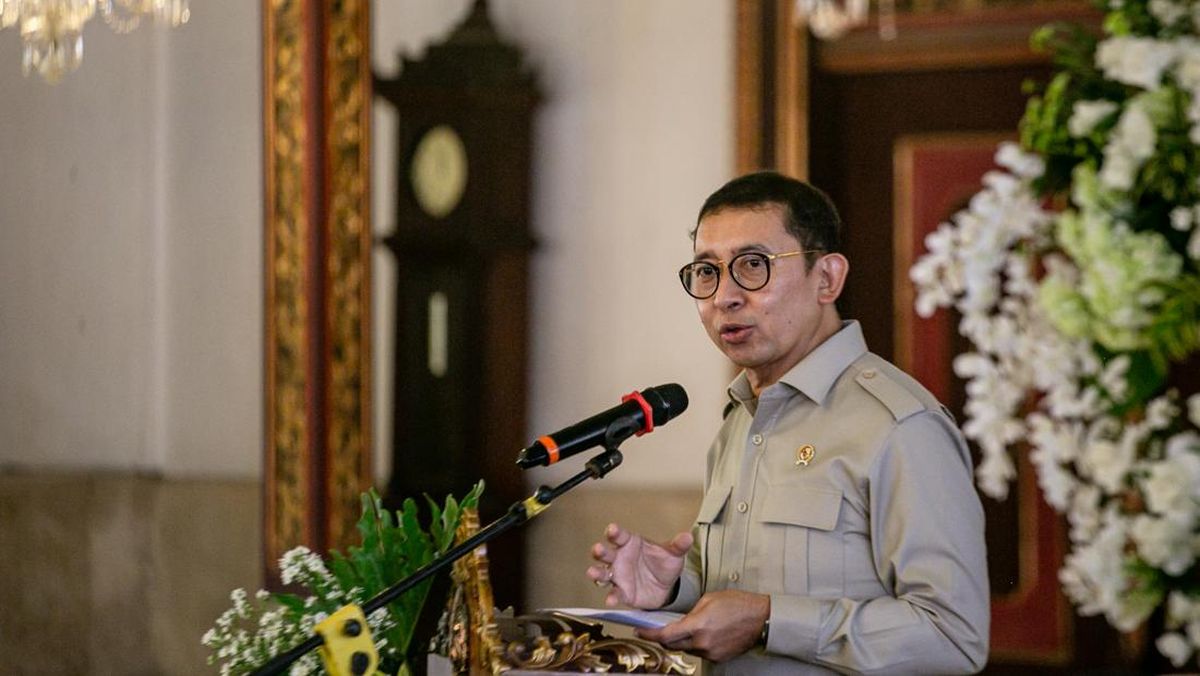
Minister Fadli Zon outlined a multifaceted vision for the Keraton’s revitalization, emphasizing that the project transcends mere architectural restoration. The plan encompasses several key pillars:
-
Physical Restoration and Infrastructure Upgrade: This involves extensive repairs to the Keraton’s historic buildings, including its main pavilions, residential quarters, walls, and gates. It also includes modernizing essential infrastructure such as plumbing, electrical systems, and climate control to ensure the longevity of the structures and the safety of visitors and artifacts. The aim is to restore the palace to its original glory while incorporating contemporary conservation standards.
-
Strengthening Historical Narratives: Beyond the physical, the project seeks to enhance the understanding and appreciation of the Keraton’s rich history. This includes developing engaging interpretive displays, interactive exhibits, and guided tours that provide deeper insights into the lives of the Sunans, the evolution of Javanese culture, and the Keraton’s role in Indonesia’s national story. The goal is to make history accessible and compelling for both local and international visitors.
-
Professional Management and Governance: Recognizing the need for sustainable operations, the revitalization plan includes establishing a professional management framework. This involves training staff in heritage conservation, museum management, and visitor services. The government aims to implement best practices in cultural site administration, ensuring transparency, accountability, and efficiency in the Keraton’s daily operations and long-term strategic planning.
-
Leveraging Technology for Public Service: Modern technology will be integrated to improve visitor experience and enhance accessibility. This could include digital archives, virtual reality tours, online ticketing systems, and interactive educational apps. Technology will also play a role in conservation efforts, such as digital mapping and environmental monitoring to protect the structures and artifacts from decay.
-
Integration into Tourism Ecosystem: The ultimate goal is to position Keraton Surakarta as a leading destination that integrates various forms of tourism. This includes cultural tourism (showcasing Javanese arts and traditions), historical tourism (exploring the palace’s past), religious tourism (highlighting its spiritual significance), and educational tourism (offering learning opportunities for students and researchers). By diversifying its appeal, the Keraton can attract a broader audience and contribute significantly to the local economy.
Broader Implications: Cultural and Economic Impact
The revitalization of Keraton Surakarta carries profound implications for both cultural preservation and economic development.
From a cultural perspective, this initiative is a critical step in safeguarding a cornerstone of Javanese civilization. By restoring the physical structure and strengthening its narratives, the project ensures that tangible heritage endures. More importantly, by revitalizing the Keraton as a living cultural space, it provides a platform for the continued practice and transmission of intangible heritage – the dances, music, rituals, and philosophical traditions that define Javanese identity. This act of preservation is vital for national identity, reminding Indonesians of their rich past and fostering a sense of pride and continuity. Cultural experts widely agree that such projects are essential for countering the homogenizing effects of globalization and preserving local distinctiveness.
Economically, the revitalized Keraton is expected to be a significant catalyst for growth in Surakarta and the wider Central Java region. Increased tourism is projected to create numerous job opportunities, not only within the Keraton itself (guides, curators, administrators) but also in ancillary sectors such as hospitality, transportation, retail, and local crafts. Local businesses, from street vendors to boutique hotels, stand to benefit from the influx of visitors. Furthermore, the Keraton’s emergence as a "world-class cultural destination," as envisioned by Minister Fadli Zon, could attract international investment and further elevate Indonesia’s profile on the global tourism map. Successful heritage tourism often generates revenue that can be reinvested into further conservation efforts, creating a sustainable cycle of preservation and economic benefit.
Challenges and Future Outlook
Despite the ambitious vision and government commitment, the revitalization project faces several inherent challenges.
- Funding and Resources: While government support is crucial, the long-term sustainability of such a massive project will require continuous funding, potentially involving private sector partnerships, international grants, and self-generated revenue from tourism.
- Community Buy-in: Gaining full cooperation from all factions within the royal family and the broader Surakarta community is paramount. Any lingering resentment or opposition could impede progress and undermine the project’s success. Open communication and inclusive engagement strategies will be vital.
- Balancing Tradition with Modernization: The project must carefully navigate the delicate balance between preserving the Keraton’s historical authenticity and integrating modern amenities and management practices. Over-commercialization or insensitive modernization could detract from its cultural integrity.
- Long-term Maintenance: Revitalization is not a one-time event. A robust, sustainable plan for ongoing maintenance, conservation, and cultural programming is essential to prevent future deterioration and ensure the Keraton remains a dynamic cultural hub.
Minister Fadli Zon remains optimistic, articulating a clear vision for the future: "Keraton Kasunanan Surakarta Hadiningrat is one of the centers of Javanese cultural civilization with great potential to become a world-class cultural destination. Through planned and collaborative revitalization, we want to present a living, competitive, and sustainable cultural area." This statement encapsulates the government’s aspiration to transform the Keraton from a neglected relic into a vibrant, economically viable, and culturally significant institution that continues to inspire and educate.
The commencement of the Keraton Surakarta revitalization marks a pivotal moment for Indonesian cultural heritage. It signifies a proactive and determined effort by the government to reclaim, restore, and reintroduce a vital piece of its national identity to both its citizens and the world. While the road ahead may be complex, fraught with historical disputes and practical challenges, the commitment to preserve and promote this venerable Javanese palace underscores a broader national dedication to fostering a living, breathing cultural landscape for generations to come. The success of this project will not only secure the future of Keraton Surakarta but also serve as a blueprint for the revitalization of other significant cultural heritage sites across the archipelago.