
Jakarta, CNN Indonesia – A charming colonial gem nestled in the heart of Mexico’s highlands has ascended to the pinnacle of global tourism, unseating renowned international destinations such as Kyoto, Bangkok, and Tokyo. San Miguel de Allende has officially been bestowed the prestigious title of the world’s best city for tourists in 2026, according to the discerning votes of international travelers. This accolade stems from the annual World’s Best Awards survey conducted by the esteemed travel media outlet, Travel + Leisure.
The survey, a cornerstone of the travel industry’s recognition, solicited feedback from thousands of well-traveled readers who shared their evaluations of cities across the globe. Participants were prompted to assess various facets of their travel experiences, including the appeal of attractions, the richness of cultural offerings, the quality of local cuisine, the warmth and hospitality of residents, and the overall economic value perceived by visitors. The meticulous methodology ensures a comprehensive and reader-driven ranking, reflecting genuine travel sentiment.
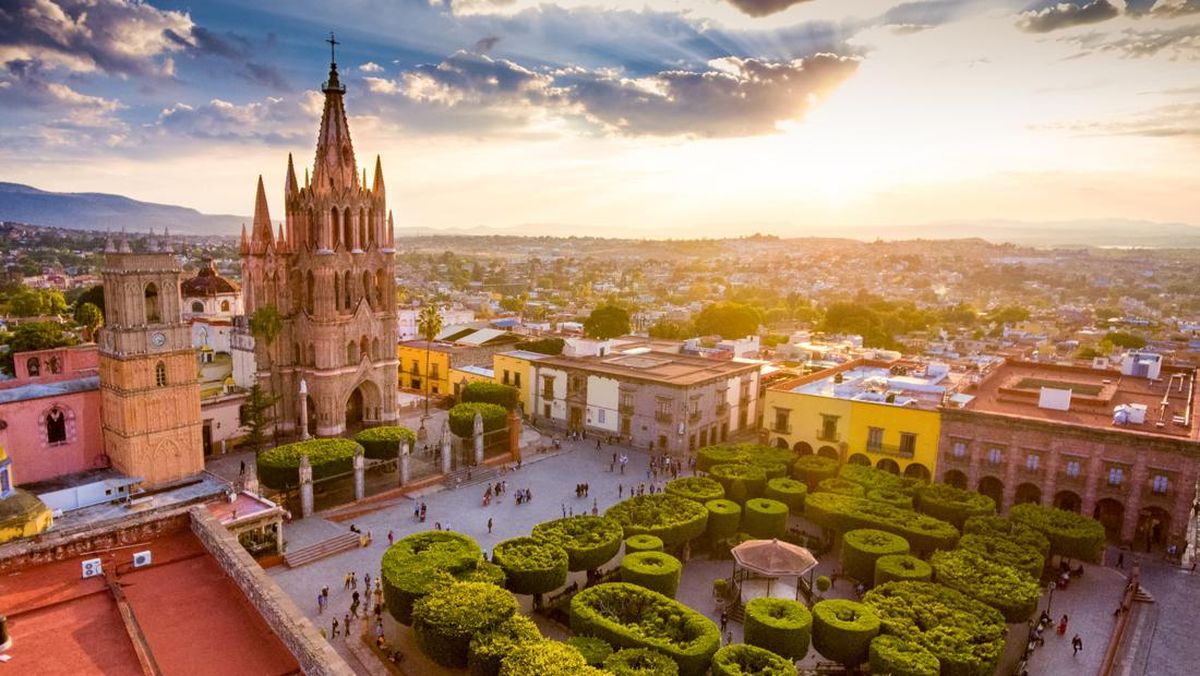
San Miguel de Allende, celebrated for its exquisitely preserved colonial architecture and vibrant atmosphere, secured the top spot with an impressive score of 93.07 out of a possible 100. Readers lauded the city’s visually arresting, candy-colored buildings, the delectable local culinary scene, and the array of unique artisan shops and boutiques that dot its streets. The picturesque cobblestone lanes, juxtaposed with the grandeur of the iconic pink Parroquia de San Miguel Arcángel gracing the main plaza, were highlighted as particularly captivating elements that contribute to its unparalleled charm. This iconic parish church, with its neo-Gothic façade, has become a symbol of the city and a magnet for photographers and sightseers alike.
The results of the 2026 World’s Best Awards underscore a strong performance by Mexico and Asian nations, both of which featured prominently in the upper echelons of the rankings. Mexico, in particular, demonstrated its growing appeal by placing the highest number of cities within the top 15 compared to any other country. Beyond San Miguel de Allende’s triumph, other Mexican cities also garnered significant recognition: Oaxaca claimed the fifth position, Mexico City secured the ninth spot, and Guadalajara rounded out the top contenders at fifteenth. This widespread acclaim suggests a robust and diverse tourism offering across Mexico, catering to a variety of traveler preferences.
Asian cities also made a formidable showing, reinforcing their status as globally sought-after destinations. Kyoto, Japan, earned the second position, followed closely by Chiang Mai, Thailand, at third. Hoi An, Vietnam, was ranked fourth, and Bangkok, Thailand, secured the sixth spot. The consistent presence of these cities in the top rankings speaks to their enduring appeal, blending rich history, vibrant culture, and exceptional hospitality.
Interestingly, no European city managed to break into the top 10 this year. Florence, Italy, emerged as the highest-ranking European representative, securing the thirteenth position. Other notable European cities included Prague, Salzburg, and Krakow, which appeared further down the list, indicating a potential shift in traveler priorities or a particularly strong year for destinations in the Americas and Asia. This observation could prompt further analysis into evolving travel trends and the factors influencing city desirability in the current global landscape.
In a surprising yet noteworthy development, Wellington, New Zealand, achieved a significant milestone by not only entering the top 25 globally but also being crowned the best city in the Australia, New Zealand, and South Pacific region for the first time. Readers specifically praised Wellington’s connection to legendary film locations, most notably those used in the epic The Lord of the Rings trilogy, and its array of captivating museums. This recognition highlights Wellington’s emergence as a distinct tourist destination with a unique blend of natural beauty and cultural attractions.
The 2026 World’s Best Awards: A Deep Dive into the Top Rankings
The annual World’s Best Awards survey by Travel + Leisure has become a benchmark for discerning travelers and industry professionals alike. The 2026 edition, released on Wednesday, July 22, 2026, reflects the collective opinions of a global readership that actively seeks out authentic and enriching travel experiences. The methodology, which emphasizes reader feedback over expert panels, provides a unique insight into what truly resonates with tourists on the ground.
The Top 10 Cities for Tourists in 2026, According to Travel + Leisure Readers:
-
San Miguel de Allende, Mexico: This UNESCO World Heritage site captivated readers with its vibrant arts scene, colonial architecture, and culinary delights. The city’s commitment to preserving its historical character while embracing contemporary culture appears to be a winning formula. Its relatively compact size allows for an intimate exploration, fostering a sense of discovery for visitors. The city’s elevation also provides a pleasant climate for much of the year, contributing to its year-round appeal. San Miguel de Allende has been on a steady rise in various travel rankings over the past decade, a testament to its sustained efforts in tourism development and cultural preservation. Its success in 2026 marks a significant achievement, placing it firmly on the global tourism map.
-
Kyoto, Japan: A perennial favorite, Kyoto continues to enchant visitors with its thousands of Buddhist temples, Shinto shrines, imperial palaces, and traditional wooden houses. The city is the cultural heart of Japan, offering a profound glimpse into the country’s rich heritage. Its meticulously maintained gardens, serene bamboo forests, and the opportunity to witness geisha culture in the Gion district contribute to its timeless allure. The efficiency of Japan’s public transportation system also makes exploring Kyoto and its surrounding areas remarkably easy. The city’s consistent high ranking indicates a deep and lasting connection with travelers seeking cultural immersion and historical significance.
-
Chiang Mai, Thailand: Known as the "Rose of the North," Chiang Mai offers a captivating blend of ancient temples, bustling night markets, and lush mountain landscapes. Its laid-back atmosphere, coupled with the warmth of its people, makes it a highly attractive destination. The region is also renowned for its ethical elephant sanctuaries and opportunities for trekking and exploring hill tribe villages. Chiang Mai has successfully positioned itself as a more serene alternative to the bustling capital, drawing in travelers seeking cultural depth and natural beauty. The affordability of travel and accommodation in Chiang Mai also contributes to its widespread appeal.
-
Hoi An, Vietnam: This ancient port town, another UNESCO World Heritage site, mesmerizes visitors with its well-preserved architecture, charming canals, and vibrant lantern-lit streets. Hoi An is famous for its tailor shops, offering bespoke clothing at affordable prices, and its delectable street food scene. The nearby An Bang Beach provides a perfect escape for relaxation. The town’s transformation from a sleepy fishing village to a major tourist hub has been remarkable, driven by its unique charm and the efforts of the local community to maintain its historical integrity. The slower pace of life in Hoi An resonates with travelers seeking a respite from the frenetic energy of larger cities.
-
Oaxaca, Mexico: Celebrated for its indigenous culture, vibrant arts scene, and exceptional gastronomy, Oaxaca is a feast for the senses. The city is a UNESCO World Heritage site, recognized for its stunning colonial architecture and its pre-Hispanic ruins, such as Monte Albán. Oaxaca’s culinary reputation is legendary, with dishes like mole and tlayudas gaining international acclaim. The vibrant markets, filled with colorful textiles and local crafts, offer an immersive cultural experience. Oaxaca’s rich indigenous heritage is a significant draw, providing a unique and authentic cultural encounter for visitors. The city’s commitment to preserving its traditions while showcasing them to the world has cemented its place as a top-tier destination.
-
Bangkok, Thailand: Thailand’s vibrant capital city continues to captivate with its dazzling temples, bustling street life, world-class shopping, and an unparalleled culinary scene. From the opulent Grand Palace to the vibrant Khao San Road, Bangkok offers an intoxicating mix of ancient traditions and modern dynamism. The city’s efficient public transportation, including its Skytrain and metro system, makes navigating its vast urban landscape accessible. Bangkok’s reputation as a gateway to Southeast Asia, combined with its own intrinsic attractions, ensures its continued popularity among a diverse range of travelers. The city’s ability to cater to budget backpackers and luxury travelers alike is a key factor in its enduring appeal.
-
Jerusalem: A city of profound historical and religious significance, Jerusalem draws visitors from across the globe with its ancient sites, sacred landmarks, and rich cultural tapestry. The Old City, divided into four quarters – Jewish, Christian, Armenian, and Muslim – offers a journey through millennia of history. The Western Wall, the Church of the Holy Sepulchre, and the Dome of the Rock are just a few of the iconic sites that attract pilgrims and history enthusiasts alike. The city’s complex history and its spiritual resonance contribute to a deeply moving travel experience. Jerusalem’s unique position as a nexus of three major religions offers a compelling narrative that continues to draw global attention.
-
Siem Reap, Cambodia: The gateway to the magnificent Angkor Wat temple complex, Siem Reap has emerged as a must-visit destination for history buffs and culture enthusiasts. Beyond the awe-inspiring temples, the city itself offers a charming blend of French colonial architecture, bustling markets, and a growing culinary scene. The warmth and resilience of the Cambodian people are palpable, adding another layer of appeal to this remarkable destination. Siem Reap’s accessibility to one of the world’s most significant archaeological sites ensures its continued prominence in the global tourism landscape. The ongoing efforts to preserve and interpret the Angkorian heritage further enhance its educational and cultural value.
-
Mexico City, Mexico: Mexico’s sprawling capital is a dynamic metropolis brimming with world-class museums, vibrant culinary offerings, and a rich pre-Hispanic and colonial history. From the historic Zócalo to the bohemian streets of Coyoacán, Mexico City offers an eclectic mix of experiences. Its burgeoning food scene, with everything from street tacos to Michelin-starred restaurants, has garnered international acclaim. The city’s cultural institutions, such as the National Museum of Anthropology, provide an in-depth exploration of Mexico’s diverse heritage. Mexico City’s resurgence as a global cultural and culinary hub has been a significant trend in recent years, and its consistent presence in top rankings reflects this evolution.
-
Tokyo, Japan: A city that seamlessly blends futuristic innovation with ancient traditions, Tokyo remains a global icon of urban exploration. Its vibrant neighborhoods, from the bustling Shibuya crossing to the serene gardens of the Imperial Palace, offer endless discovery. Tokyo is renowned for its cutting-edge technology, fashion-forward culture, and an exceptional culinary landscape that spans from Michelin-starred sushi restaurants to humble ramen shops. The city’s efficiency, safety, and politeness of its residents contribute to a smooth and enjoyable travel experience. Tokyo’s ability to constantly reinvent itself while retaining its unique cultural identity makes it an enduringly popular destination.
Beyond the Top 10: Global Tourism Trends and Insights
The 2026 Travel + Leisure World’s Best Awards also shed light on broader global tourism trends. The strong showing of Mexican cities, as previously mentioned, indicates a rising interest in Latin American destinations, potentially driven by factors such as affordability, rich cultural heritage, and growing tourism infrastructure. The continued dominance of Asian cities underscores their established appeal, offering a blend of ancient traditions, modern vibrancy, and unique cultural experiences.
The absence of European cities in the top 10, while not necessarily a decline in their overall popularity, suggests a shifting focus among travelers. Factors such as perceived value for money, the search for novel experiences, and the impact of global events on travel patterns could all play a role. European destinations, while still highly sought after, may be facing increased competition from emerging or re-emerging destinations that offer compelling alternatives.
The inclusion of Jerusalem in the top 10 is significant, highlighting the enduring draw of historically and spiritually important sites. This reinforces the idea that for many travelers, the quest for understanding and connection with the past remains a primary motivation.
Wellington’s breakthrough into the top 25 and its regional win further illustrate the growing recognition of destinations beyond traditional hotspots. This suggests that travelers are increasingly open to exploring less conventional locales, driven by recommendations, unique attractions like film tourism, and a desire for more authentic and less crowded experiences.
Implications and Future Outlook
The coronation of San Miguel de Allende as the world’s best city for tourists carries significant implications for the city and for Mexico’s tourism industry as a whole. It is likely to lead to an increased influx of visitors, placing greater demand on local infrastructure, accommodation, and services. While this presents economic opportunities, it also necessitates careful management to preserve the city’s charm and character, avoiding over-tourism.
For Mexico, this accolade is a powerful endorsement of its diverse tourism offerings and a testament to the country’s ability to attract and satisfy international visitors. It may inspire further investment in tourism development and promotion across other regions of Mexico.
The broader trends observed in the 2026 awards suggest a dynamic and evolving global tourism landscape. As travelers become more informed and adventurous, destinations that offer authentic cultural experiences, unique attractions, and excellent value for money are likely to thrive. The continued emphasis on reader-driven surveys like Travel + Leisure’s World’s Best Awards will remain crucial in tracking these shifts and understanding the ever-changing preferences of the global traveler. The year 2026 is poised to be a landmark year for San Miguel de Allende, setting a new benchmark for what makes a city truly exceptional in the eyes of the world’s most discerning tourists.