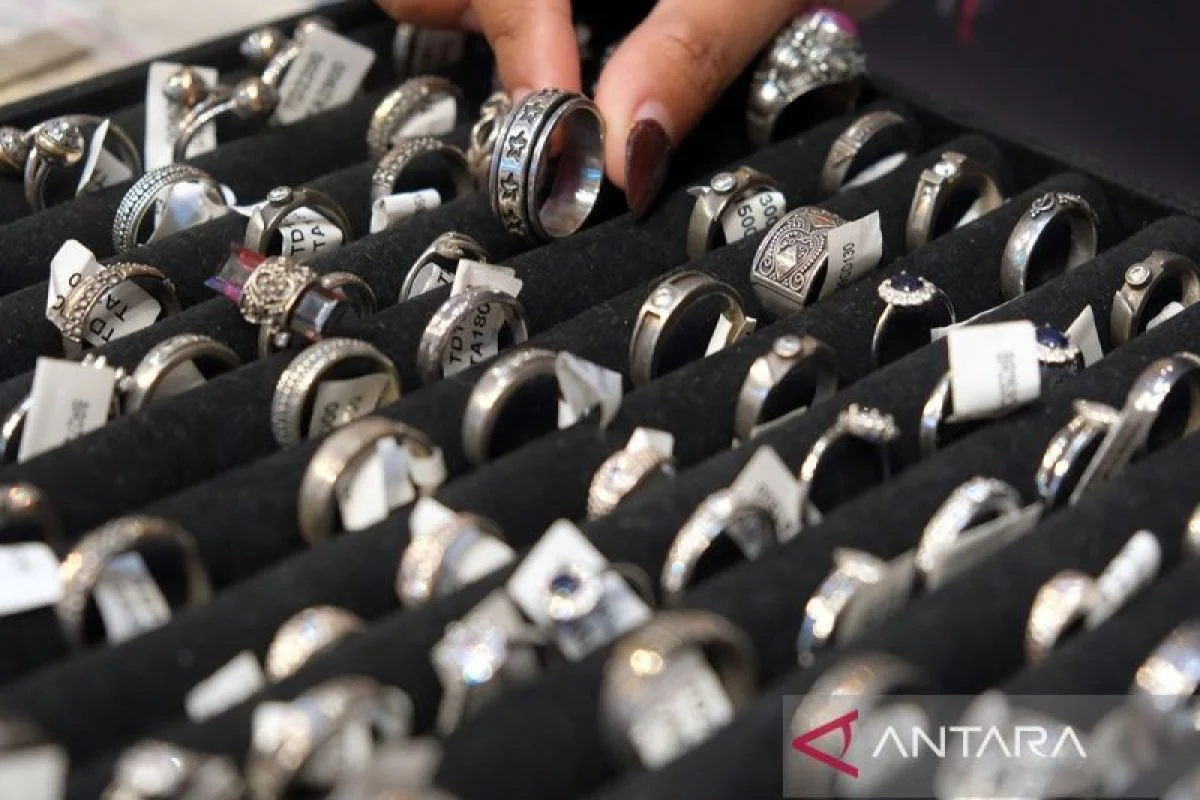
Jakarta, Indonesia (ANTARA) – Beyond gold, silver has steadily solidified its position as another precious metal holding significant strategic value as an investment instrument. Its popularity has been on a continuous upward trajectory, fueled by a growing public awareness of its promising profitability potential in the foreseeable future. For investors keen on diversifying their portfolios, silver investments are readily accessible through various official channels, including established formal financial institutions and reputable vendors specializing in precious metals.
Understanding Silver: A Multifaceted Metal
Silver, recognized by its distinctive lustrous metallic grey hue, transcends its aesthetic appeal as a mere beautiful metal. It is simultaneously an asset of profound economic value and an element boasting exceptionally high electrical and thermal conductivity. These inherent characteristics, coupled with its remarkable malleability and ductility, render silver an indispensable component across a multitude of global trade and industrial applications. Its softness, while making it unsuitable for certain pure forms in jewelry, is precisely what allows for its versatile shaping and integration into complex industrial designs.
Historically, silver has occupied an esteemed position in human civilization. Its journey began as a primary medium of ancient commerce, serving as coinage and a fundamental unit of exchange across empires and cultures. Beyond its monetary function, it evolved into a powerful symbol of affluence and status, adorning royalty and nobility in the form of intricate jewelry, ornate decorative items, and sophisticated household utensils. From the Roman Denarius to the Spanish dollar, silver’s role in shaping global economies and facilitating trade routes is well-documented, often paralleling or even exceeding gold’s immediate reach in everyday transactions. This deep-rooted historical significance lends an inherent stability and perceived value to silver, making it a compelling store of wealth.
In the rapidly accelerating era of digitalization, silver has undergone a significant transformation, evolving into a highly liquid financial asset with immense strategic importance. This evolution is largely driven by its pivotal role in the relentless expansion of smart technology devices and robotics. The escalating global reliance on cutting-edge technological innovation has consequently triggered a massive surge in demand for silver as a critical raw material. This industrial imperative is a primary catalyst behind the intensifying investment interest in the metal, a trend widely predicted to continue its robust growth trajectory in lockstep with humanity’s increasing dependence on future technological breakthroughs.
The Driving Force: Industrial Demand in the Modern Age
While its identity as a precious metal and store of value is enduring, silver’s unique properties make it critical for modern industry, often overshadowing its investment-only appeal in terms of demand drivers. Approximately 50-60% of annual silver demand is attributed to industrial applications, a figure significantly higher than that for gold, which sees a larger proportion allocated to jewelry and investment. This industrial demand is not static; it is expanding at an unprecedented rate due to several key technological advancements:
- Electronics: Silver’s unparalleled electrical conductivity makes it irreplaceable in countless electronic components. It is used in switches, circuit boards, conductive inks, and various connectors found in smartphones, computers, tablets, and other consumer electronics. As global consumption of these devices continues to surge, so does the demand for silver.
- Solar Energy: The burgeoning solar photovoltaic (PV) industry is a major consumer of silver. Silver paste is applied to silicon wafers in solar panels to conduct electricity. With the global push towards renewable energy sources and ambitious climate targets, the expansion of solar capacity worldwide directly translates into increased silver demand. Industry projections suggest that the solar sector could account for an even larger share of silver consumption in the coming years.
- Automotive Industry: The transition to electric vehicles (EVs) and advanced driver-assistance systems (ADAS) is another significant growth area for silver. EVs, with their complex electrical systems, numerous sensors, and charging infrastructure, require a substantially higher amount of silver per vehicle compared to traditional internal combustion engine cars. Modern vehicles can contain between 15-30 grams of silver, primarily in electrical contacts, switches, and conductive elements.
- Medical and Healthcare: Silver’s antimicrobial properties have made it invaluable in the medical field. It is used in wound dressings, surgical instruments, catheters, and various medical coatings to prevent infections. The increasing focus on healthcare innovation and hygiene further cements silver’s role in this sector.
- 5G Technology: The rollout of 5G networks, with their higher frequencies and denser infrastructure, requires more sophisticated electronic components, many of which utilize silver for optimal performance and connectivity.
- Internet of Things (IoT): The proliferation of IoT devices, ranging from smart home appliances to industrial sensors, all contribute to the incremental but substantial demand for silver in their tiny, interconnected circuits.
This robust and diversified industrial demand acts as a fundamental floor for silver prices, distinguishing it from other precious metals that might be more solely reliant on investment sentiment or jewelry consumption. The inherent necessity of silver in these future-oriented technologies positions it not just as a speculative asset, but as a strategic commodity integral to global progress.
Navigating Silver Investment: Channels and Considerations
For aspiring investors, especially novices, understanding the appropriate avenues and forms of silver for investment is crucial. Silver investments can be initiated through reputable and regulated channels designed to ensure authenticity and fair pricing. These include:
- Formal Financial Institutions: Many banks and investment firms offer options for purchasing physical silver or silver-backed financial products. These institutions often provide secure storage solutions, though they may come with associated fees.
- Specialized Precious Metal Vendors: Certified bullion dealers, both online and brick-and-mortar, are primary sources for investment-grade silver. It is paramount to select vendors with established reputations and transparent pricing to avoid counterfeits or scams. Verification of authenticity through assays or hallmarks is always recommended.
- Exchange-Traded Funds (ETFs): For those preferring indirect exposure without the complexities of physical storage, silver ETFs provide an accessible option. These funds typically hold physical silver or silver futures contracts, allowing investors to track the price of silver through publicly traded shares.
- Futures and Options Markets: More sophisticated investors can engage with silver through derivatives markets, which offer leverage and advanced strategies but also carry higher risks.
Types of Silver for Investment: Purity is Paramount
A critical distinction for investors lies in the various forms and purities of silver available. Not all silver is created equal when it comes to investment potential.
-
Fine Silver (99.9% Purity): This is the gold standard for silver investment. Fine silver, also known as pure silver or investment-grade silver, typically comes in the form of bars, coins, or grains, boasting a minimum purity level of 99.9% (often denoted as .999 fine). Its high concentration of pure silver, unadulterated by other metals, imbues it with maximum intrinsic value as an investment asset. While its inherent softness makes it susceptible to scratches and dents – a characteristic that often precludes its use in pure form for everyday jewelry – this does not diminish its investment appeal. For investment purposes, the focus is on the metal’s weight and purity, not its wear resistance. Examples include popular bullion coins like the American Silver Eagle, Canadian Silver Maple Leaf, and various silver bars from recognized refiners.
-
Sterling Silver (92.5% Purity): In stark contrast to fine silver, sterling silver is a common alloy used predominantly in jewelry and decorative items. It comprises 92.5% pure silver, with the remaining 7.5% typically consisting of copper or other base metals. This alloying process is deliberate, aimed at enhancing the metal’s strength, durability, and resistance to tarnish, making it far more practical for wearable items. While sterling silver jewelry can be aesthetically pleasing and collectible, its value as a pure investment instrument is considerably lower than that of fine silver. This reduced investment value stems from two primary factors: the lower purity of silver content and the added fabrication costs associated with crafting intricate jewelry pieces. These manufacturing premiums are typically not recovered when the item is sold for its metal content.
Therefore, a fundamental principle for precious metal investment, applicable to both gold and silver, is that higher purity directly correlates with greater investment suitability. Bullion in the form of bars or specific investment-grade coins is consistently recommended over jewelry for long-term wealth preservation and capital appreciation. However, it is important to clarify that this does not entirely negate the potential for silver jewelry to be considered an investment. Rare antique pieces or those with significant artistic value can appreciate over time due to their unique characteristics, but this falls under the realm of collectibles or art investment rather than a direct play on the intrinsic value of the silver metal itself.
Factors Influencing Silver Prices and Market Dynamics
The price of silver is a complex interplay of various global economic, industrial, and geopolitical forces. Understanding these factors is key for any investor:
- Supply and Demand Fundamentals: Global mining output, recycling rates, and above-ground stockpiles constitute the supply side. The demand side is bifurcated into industrial consumption, investment demand (bullion, ETFs), and jewelry/silverware fabrication. A deficit in supply relative to demand typically drives prices higher.
- Economic Conditions: During periods of economic uncertainty or high inflation, silver, like gold, often acts as a safe-haven asset, attracting investors seeking to preserve purchasing power. Conversely, a strong global economy can boost industrial demand, supporting prices from that angle.
- Interest Rates and the U.S. Dollar: Higher interest rates can make non-yielding assets like silver less attractive compared to interest-bearing alternatives. A stronger U.S. dollar typically makes dollar-denominated commodities like silver more expensive for holders of other currencies, potentially dampening demand.
- Gold-Silver Ratio: This ratio measures how many ounces of silver it takes to buy one ounce of gold. Historically, the ratio has fluctuated significantly. When the ratio is high (meaning silver is relatively cheaper compared to gold), some analysts view silver as undervalued and a potentially attractive buy.
- Technological Breakthroughs: As discussed, new applications for silver in emerging technologies can create new avenues of demand, fundamentally shifting market dynamics.
- Geopolitical Events: Wars, trade disputes, and political instability can trigger safe-haven buying, pushing silver prices upwards.
Broader Implications and Future Outlook
The trajectory of silver as an investment asset appears robust, largely underpinned by its indispensable role in the ongoing global energy transition and the pervasive advancement of technology. As nations commit to reducing carbon emissions and embracing renewable energy, the demand for solar panels, electric vehicles, and efficient electronic infrastructure will only intensify, placing silver at the heart of this transformative shift.
Market analysts and industry experts generally concur that silver’s dual nature – as both a precious metal and a critical industrial commodity – provides it with a unique advantage. While it may exhibit higher price volatility than gold due to its smaller market size and significant industrial component, its long-term growth prospects are bolstered by fundamental demand drivers that are unlikely to diminish. This makes silver a compelling diversification tool for portfolios, offering exposure to both traditional safe-haven characteristics and the growth potential of future technologies.
However, investors must also be cognizant of potential risks, including market volatility, geopolitical instability impacting supply chains, and the inherent costs associated with storing physical bullion. Diligent research, consultation with financial advisors, and a clear understanding of personal risk tolerance are essential before committing to silver investments.
In conclusion, silver’s journey from ancient currency to a linchpin of the digital age underscores its enduring value and adaptability. Its strategic importance in a world increasingly reliant on technology and sustainable energy positions it as a metal not just of the past, but emphatically of the future, offering a unique proposition for investors seeking both stability and growth.