Indonesia is strategically fortifying its economic resilience against the backdrop of persistent global uncertainties, leveraging a multi-pronged approach that encompasses grassroots empowerment, critical national sector development, and robust political oversight. This comprehensive strategy, highlighted by both local initiatives like the "Festival Sentra Industri dan Festival All About Tahu dan Jajanan Kota Bandung" and national policy discussions led by political parties such as Partai Bulan Bintang (PBB), underscores the nation’s commitment to sustainable growth and equitable prosperity.
The Bandung Sentra Industri Festival: A Microcosm of Economic Vitality
On Monday, July 6, 2026, the vibrant Cihampelas Walk (Ciwalk) in Bandung, West Java, became a bustling hub of creativity and commerce, hosting the "Festival Sentra Industri dan Festival All About Tahu dan Jajanan Kota Bandung." This event served as a powerful testament to the dynamism of Indonesia’s micro, small, and medium enterprises (UMKM) sector, bringing together 38 diverse entrepreneurs showcasing their unique products. The festival’s primary objective, as articulated by the local government, was to promote and strengthen the competitiveness of superior regional products, thereby stimulating the local economy and preserving cultural heritage.
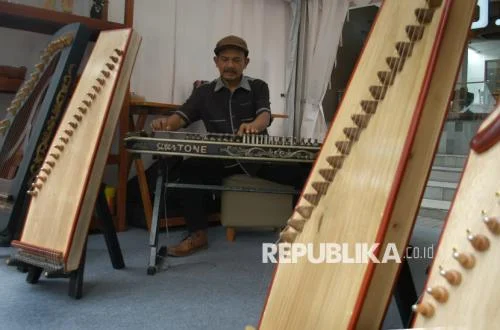
One of the festival’s most captivating highlights was the performance by a traditional music instrument craftsman, skillfully playing the kecapi. The kecapi, a stringed instrument deeply rooted in Sundanese culture, produced melodies that resonated through the venue, offering attendees a sensory experience that blended cultural appreciation with economic activity. This performance not only entertained but also symbolized the rich artistic traditions that often underpin many of Indonesia’s UMKM ventures. The presence of traditional music instrument makers from the Binong industrial center underscored the festival’s commitment to showcasing a wide array of local talents and industries.
The festival featured a remarkable diversity of industrial centers, each representing a unique facet of Bandung’s creative economy. Among the prominent participants were the Binongjati knitting center, renowned for its intricate textile products; the Cibaduyut shoe center, a long-standing icon of Indonesian footwear craftsmanship; the Cicaheum calligraphy center, demonstrating the beauty of Islamic art; and the Siliwangi painting center, displaying a spectrum of visual arts. This convergence of various craft and industry sectors provided a holistic view of Bandung’s entrepreneurial landscape, which has long been celebrated as a hub for innovation and design in Indonesia.
The Bandung City government’s proactive role in organizing such events is crucial. Festivals like these provide invaluable platforms for UMKM to gain exposure, expand their market reach, and connect directly with consumers. Beyond mere sales, these events foster a sense of community among entrepreneurs, facilitate networking, and offer opportunities for skill development and product refinement based on direct feedback. Officials from the Bandung City Department of Industry and Trade, while not quoted directly in the initial report, would likely emphasize the festival’s contribution to job creation, local revenue generation, and the overall strengthening of Bandung’s identity as a creative city. Such initiatives are vital for sustaining the livelihoods of countless families and ensuring the continued growth of local economies.
National Economic Resilience: PBB’s Strategic Imperatives
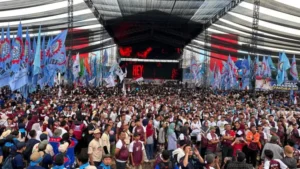
Parallel to these local efforts, national political discourse in Indonesia is also heavily focused on fortifying the country’s economic foundations. In Jakarta, on Thursday, July 17, 2026, the Partai Bulan Bintang (PBB) concluded its National Working Meeting (Rakernas), Technical Guidance for Members of Regional Legislative Councils (DPRD) across Indonesia, and its 28th Anniversary celebration. During this significant gathering, the party articulated a clear vision for national economic resilience, emphasizing the critical roles of food security, national energy development, and the empowerment of UMKM.
Yuri Kemal Fadlullah, the Acting Chairman of PBB, delivered a compelling address that underscored these priorities. His statements, released to the public on Saturday, July 18, 2026, highlighted that these three pillars are "important foundations" for safeguarding Indonesia’s economy amidst the volatile global landscape. The global economy in 2026 continues to grapple with multifaceted challenges, including persistent inflationary pressures, supply chain disruptions exacerbated by geopolitical tensions, the lingering effects of the post-pandemic recovery, and climate change-induced economic vulnerabilities. In this context, strengthening domestic economic fundamentals becomes paramount for any nation seeking stability and sustained growth.
Fadlullah stressed that Indonesia possesses robust inherent strengths to navigate these global economic headwinds. He pointed to the government’s strategic programs as key drivers for economic growth and job creation. Among these, the "Program Makan Bergizi Gratis" (Free Nutritious Meals Program) was specifically cited for its potential to benefit millions of citizens while simultaneously generating new employment opportunities. This program, likely a cornerstone of the current administration’s social welfare initiatives, aims to address food insecurity and improve nutritional standards, particularly among vulnerable populations. Economically, such a large-scale program can stimulate demand for agricultural products, bolster food processing industries, and create jobs across the entire supply chain, from farmers to distributors and caterers. The ripple effect of consistent demand for nutritious food can stabilize prices for producers and ensure a steady income stream for those involved in the food sector.
PBB’s "Gerakan Semut": A Grassroots Economic Solidarity Movement
Beyond endorsing government programs, PBB also unveiled its own innovative initiative: "Gerakan Semut" (Ant Movement). This movement is envisioned as a comprehensive economic solidarity program designed to foster national pride in domestic products and significantly empower UMKM. The choice of "Ants" as a symbol is particularly apt, invoking the image of collective effort, diligent work, and the cumulative impact of many small, coordinated actions leading to substantial results.
The "Gerakan Semut" is built upon several core objectives, reflecting a holistic approach to community empowerment:
- Promotion of Domestic Products: Encouraging Indonesian consumers to prioritize locally made goods and services. This involves awareness campaigns, facilitating market access for local producers, and advocating for policies that favor domestic industries. The goal is to reduce reliance on imports and strengthen the internal market.
- Strengthening UMKM: Providing direct support to micro, small, and medium enterprises through various means. This could include access to capital, business development training, technological adoption, and marketing assistance. The Bandung festival, with its focus on UMKM, serves as a practical example of the kind of empowerment that "Gerakan Semut" seeks to replicate and amplify nationwide.
- Legal Assistance and Education: Recognizing that legal challenges can be significant hurdles for ordinary citizens and small businesses, the movement aims to provide free or affordable legal aid and educate communities on their rights and responsibilities. This empowers individuals to navigate complex legal frameworks, protect their interests, and ensure fair practices.
- Economic Empowerment: Broader initiatives aimed at increasing the economic self-sufficiency of communities. This might involve setting up community-based enterprises, cooperative development, and promoting financial literacy.
- Skill Training for Youth: Equipping the younger generation with relevant skills for the modern workforce and entrepreneurship. This includes vocational training, digital literacy, and soft skills development, preparing them for the challenges and opportunities of a rapidly evolving job market.
The "Gerakan Semut" represents PBB’s commitment to tangible, community-level action, leveraging its extensive network of party members and local representatives to implement these programs. The movement’s success would hinge on effective coordination, sustained engagement with local communities, and the ability to tailor initiatives to specific regional needs.
PBB’s Role in Governance and Oversight
Yuri Kemal Fadlullah unequivocally reaffirmed PBB’s steadfast support for the current administration and its readiness to actively oversee the implementation of various government programs. This commitment to oversight is particularly crucial in ensuring that the intended benefits of these programs effectively reach the populace, especially the most vulnerable segments of society.
The technical guidance provided to DPRD members across Indonesia during the Rakernas underscores PBB’s strategic focus on strengthening local governance. Fadlullah’s emphasis on "Perda yang berpihak pada rakyat kecil" (local regulations that favor the common people) highlights the party’s advocacy for policies that genuinely uplift and protect the interests of ordinary citizens. This includes advocating for regulations that simplify business permits for UMKM, protect consumers, ensure fair labor practices, and provide social safety nets.
Furthermore, the call for "pengawasan anggaran yang jujur" (honest budget oversight) reflects a deep concern for accountability and transparency in public spending. DPRD members, as elected representatives, play a critical role in scrutinizing government budgets at the provincial and district levels, ensuring that public funds are utilized efficiently, effectively, and without corruption. This oversight function is vital for maintaining public trust and ensuring that development projects and social programs deliver their promised impact.
Fadlullah’s concluding remark, "Kehadiran yang konsisten setiap hari bukan hanya saat kampanye itulah yang akan membawa PBB menang" (Consistent presence every day, not just during campaigns, is what will bring PBB victory), encapsulates the party’s long-term vision. It signifies a commitment to continuous public service, community engagement, and advocacy that extends far beyond electoral cycles. This philosophy suggests that true political success is measured by sustained impact and genuine dedication to improving the lives of citizens, rather than episodic appearances for political gain. It implies a shift towards a more service-oriented political model, where elected officials are consistently responsive to the needs of their constituents.
Broader Implications and Expert Analysis
The synergy between local initiatives like the Bandung festival and national policy frameworks articulated by PBB offers a compelling blueprint for Indonesia’s economic future. The festival exemplifies how local creative industries, when supported, can thrive and contribute significantly to regional economies. UMKM, which represent over 97% of businesses in Indonesia and contribute more than 60% to the national GDP, are the backbone of the economy. Their empowerment directly translates into job creation, poverty reduction, and a more diversified economic base.
However, challenges remain. Ensuring equitable access to capital, technology, and markets for all UMKM, especially those in remote areas, requires sustained effort and innovative solutions. Supply chain inefficiencies, fluctuating raw material prices, and intense competition from larger enterprises are constant hurdles. Government and political party initiatives must be well-coordinated and adequately funded to overcome these obstacles.
Economists and policy analysts often point to the critical importance of food and energy security as prerequisites for overall economic stability. A nation that can feed its population and power its industries without excessive reliance on external sources is better positioned to withstand global shocks. Indonesia, with its vast agricultural potential and rich natural resources, has the capacity to achieve greater self-sufficiency in these areas, provided there are strategic investments, sound policies, and effective implementation. The "Makan Bergizi Gratis" program, for instance, not only addresses social welfare but also fortifies the domestic food production and distribution ecosystem. Similarly, investments in renewable energy and efficient resource management are vital for long-term energy independence and environmental sustainability.
The political commitment demonstrated by PBB to support government programs while simultaneously providing rigorous oversight is crucial for good governance. This dual role ensures accountability and helps in refining policies to be more effective and inclusive. The emphasis on pro-people regulations and honest budget management aligns with broader democratic principles and aims to build a more just and equitable society.
In conclusion, Indonesia’s journey towards robust economic resilience is a complex yet determined one, characterized by a harmonious blend of localized entrepreneurial spirit and comprehensive national policy strategies. From the vibrant display of traditional crafts at a Bandung festival to the strategic discussions on food security, energy development, and UMKM empowerment at a national political forum, the narrative is one of collective effort and shared vision. The sustained commitment from both government and political stakeholders to foster a conducive environment for growth, ensure social welfare, and uphold transparency will be instrumental in navigating future uncertainties and securing a prosperous future for all Indonesians.