

Jakarta, Indonesia – Samsung Electronics Indonesia has acknowledged and defended the inevitable price increases for its newly launched foldable smartphones, the Galaxy Z Fold 8 and Galaxy Z Flip 8, compared to their predecessors. Despite these upward adjustments, the technology giant expresses strong optimism regarding market absorption, particularly in key regions like Indonesia, attributing robust pre-order and reservation figures to strategic consumer programs designed to mitigate price sensitivity. The company emphasizes that while price hikes were unavoidable due to a confluence of global economic factors, their increase percentage remains comparatively modest against broader industry trends.
Unpacking the Price Surge: Economic Headwinds and Strategic Adjustments
Ilham Indrawan, MX Product Marketing Senior Manager at Samsung Electronics Indonesia, articulated the core reasons behind the price adjustments during a hands-on session in Jakarta on Thursday, July 23rd. He pinpointed two primary drivers: the persistent global scarcity of chipsets and the weakening value of the Indonesian Rupiah against the US Dollar. These macroeconomic pressures, he explained, directly impact manufacturing costs and import expenses, making price stability challenging for premium imported devices.
"The price increase we’ve implemented this year was truly unavoidable, driven by the ongoing chipset scarcity and the depreciation of the Rupiah," Indrawan stated. He further highlighted Samsung’s efforts to cushion the impact on consumers through attractive programs, asserting that the company’s price adjustments are relatively contained. "Despite these increases, we observe that our percentage hike is not as steep as some others in the market. While some competitors might see increases topping 30 percent, our adjustments are only in the range of 17-20 percent compared to the previous generation."
The monetary increase for the latest foldable lineup reportedly ranges from IDR 2 million to IDR 9 million, a significant jump that places these devices firmly in the ultra-premium segment of the smartphone market. While specific price lists for each variant (Galaxy Z Fold 8, Z Fold 8 Ultra, and Z Flip 8) alongside their predecessors (Galaxy Z Fold 7 and Z Flip 7) were referenced in the original announcement, the precise figures were not provided. However, the specified range of increase underscores the substantial financial commitment required from consumers for these cutting-edge devices.
The Galaxy Unpacked Event: A New Era of Foldable Design
The unveiling of Samsung’s latest foldable innovations took place at the highly anticipated Galaxy Unpacked event in London, United Kingdom, on Wednesday, July 22nd. Under the compelling theme ‘A New Shape Unfolds,’ Samsung showcased significant evolutionary changes to its Galaxy Z Fold series.
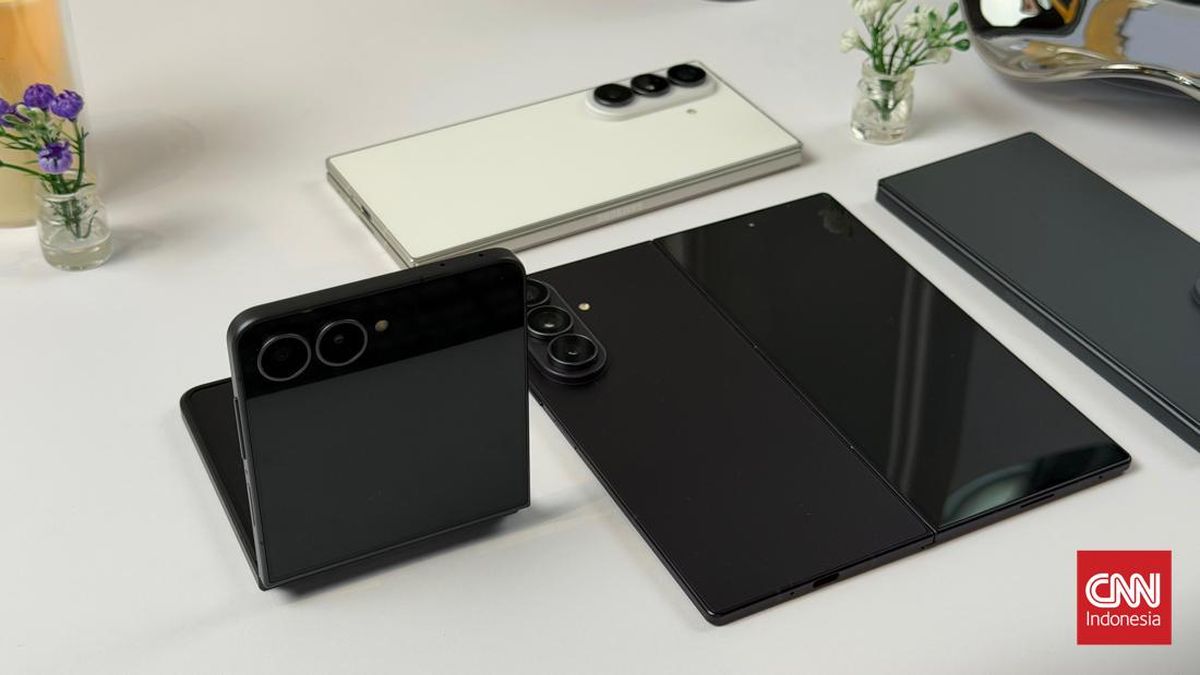
The Galaxy Z Fold 8, the standard bearer of the new foldable generation, introduces a redesigned form factor that is notably wider than its predecessors. This change aims to enhance the user experience, particularly for multitasking and media consumption, by providing a more expansive and ergonomic main screen when unfolded. The successor to the highly acclaimed Galaxy Z Fold 7 now carries the designation Galaxy Z Fold 8 Ultra, signaling a premium iteration that likely incorporates further enhancements in display technology, camera capabilities, or processing power, catering to users demanding the absolute pinnacle of smartphone technology. The Galaxy Z Flip 8, while maintaining its iconic compact clamshell design, also received significant upgrades, focusing on improved durability, enhanced camera features, and more powerful internal specifications to solidify its position in the fashionable foldable segment.
Market Reception in Indonesia: Defying Expectations?
Despite the pronounced price increases, Samsung Electronics Indonesia claims to have observed an exceptionally positive reception for the Z Fold 8 series in the Indonesian market. Ilham Indrawan highlighted strong performance during the initial reservation and pre-order phases as a clear indicator of sustained consumer interest and demand.
According to Indrawan, this robust market response is a direct result of Samsung’s carefully curated consumer programs. "We’ve meticulously crafted programs to ensure that consumers still perceive these devices as affordable and accessible," he explained. "Our aim is to make the upgrade path, particularly through trade-in options, feel genuinely worthwhile, enabling them to acquire our latest devices without undue financial burden." These programs typically include attractive trade-in values for older devices, flexible installment plans, bundled accessories, and exclusive premium services, all designed to sweeten the deal for early adopters and loyal customers.
Global Context: Supply Chain Disruptions and Currency Volatility
The global technology landscape has been grappling with persistent supply chain disruptions since the onset of the COVID-19 pandemic. The most critical among these is the ongoing semiconductor shortage, which has affected industries ranging from automotive to consumer electronics. Increased demand for personal computing devices during lockdowns, coupled with manufacturing slowdowns and geopolitical tensions, strained the capacity of chip foundries worldwide. This scarcity translates directly into higher component costs for manufacturers like Samsung, who rely heavily on a steady supply of advanced chipsets for their premium devices.
Simultaneously, currency volatility has become a significant factor for international trade. The Indonesian Rupiah, like many other emerging market currencies, has experienced periods of depreciation against the US Dollar. This weakening exchange rate effectively increases the cost of imported goods when converted to local currency. For a company like Samsung, which imports components and finished products for assembly or direct sale, a depreciated Rupiah means higher operational costs in Indonesia, inevitably feeding into higher retail prices. These macroeconomic forces are not unique to Samsung or Indonesia but represent a global challenge for manufacturers and consumers alike.
Samsung’s Dominance and the Evolving Foldable Landscape
Samsung has been a pioneer in the foldable smartphone segment since the launch of its first Galaxy Fold in 2019. Despite initial challenges and skepticism, the company has consistently iterated and improved its foldable technology, leading to significant advancements in durability, functionality, and design. This relentless innovation has cemented Samsung’s position as the undisputed market leader in foldables, holding a substantial majority share of the global foldable market.
However, the competitive landscape is rapidly evolving. A growing number of manufacturers, particularly from China, including Huawei, Xiaomi, Oppo, and Honor, have entered the foldable arena, offering compelling alternatives with unique form factors and competitive pricing in their respective markets. Even Google has joined the fray with its Pixel Fold, signaling increasing mainstream interest in the category. While Apple has yet to launch a foldable iPhone, its eventual entry is widely anticipated and would undoubtedly reshape the market. This increasing competition places pressure on Samsung to continuously innovate while managing costs and pricing strategies effectively. The premium segment, where foldables reside, has shown remarkable resilience even as the broader smartphone market experiences saturation, indicating a dedicated consumer base willing to pay for cutting-edge technology and unique experiences.
Mitigating the Impact: Samsung’s Consumer-Centric Programs
Understanding that price is a significant barrier to entry for many consumers, especially in emerging markets, Samsung has developed a robust suite of programs aimed at making its premium foldable devices more accessible. These initiatives are critical in softening the impact of higher retail prices and fostering consumer loyalty.
Key programs often include enhanced trade-in values, allowing consumers to exchange their older smartphones, sometimes even non-Samsung devices, for a substantial discount on a new foldable. This not only reduces the upfront cost but also promotes an upgrade cycle. Flexible financing options, such as interest-free installment plans or partnerships with local banks and credit providers, further break down the financial commitment into manageable monthly payments. Additionally, Samsung frequently bundles its new foldables with desirable accessories like Galaxy Buds, smartwatches, or premium cases, adding perceived value. Exclusive warranty extensions, premium customer service, and access to unique content or services also contribute to a holistic value proposition that goes beyond just the device itself. By strategically deploying these programs, Samsung aims to ensure that the perceived value of its foldables justifies the higher price tag, thereby maintaining market momentum and encouraging adoption.
Analyst Perspectives and Future Outlook for Foldables
Industry analysts generally agree that foldable smartphones, while still a niche market segment, represent a significant growth opportunity within the stagnating broader smartphone industry. The high price point remains a primary barrier for mass-market adoption, but improvements in technology, increasing durability, and competitive pressure are expected to gradually bring prices down over time.
Analysts commend Samsung’s strategy of absorbing some of the cost increases and mitigating the impact through consumer programs. This approach is seen as crucial for expanding the foldable user base and preventing the segment from becoming exclusively ultra-luxury. Predictions for the foldable market indicate continued double-digit growth rates in the coming years, albeit from a relatively small base. As manufacturing processes mature, component costs potentially decrease, and more players enter the market, the long-term outlook suggests that foldables could become a more common form factor, moving beyond their current status as a premium, experimental device. Samsung’s continued leadership and strategic pricing will play a pivotal role in shaping this future.
The Indonesian Market: A Strategic Battleground
Indonesia, with its vast population and rapidly growing digital economy, represents a highly strategic market for smartphone manufacturers. While it is a price-sensitive market where mid-range and entry-level devices dominate sales volumes, the premium segment also holds significant potential, driven by a growing middle class and increasing disposable income in urban centers.
Samsung has a strong and established brand presence in Indonesia, built over years of offering a diverse portfolio of devices across all price segments. This strong brand equity and extensive retail and service network provide Samsung with a distinct advantage when introducing high-end devices like the Galaxy Z Fold 8 and Z Flip 8. However, the challenge remains in convincing Indonesian consumers to invest significantly in a new technology, especially when facing economic pressures. Samsung’s focus on making these devices "affordable" through programs is thus particularly vital in this market, as it seeks to balance innovation with local economic realities and maintain its leadership position.
In conclusion, Samsung’s decision to increase prices for its latest foldable lineup, the Galaxy Z Fold 8 and Z Flip 8, is a direct response to a complex interplay of global economic factors, including chipset shortages and currency fluctuations. While these increases are significant, Samsung’s strategic approach—minimizing the percentage hike compared to competitors and implementing robust consumer programs—aims to sustain market momentum. The strong pre-order performance in Indonesia suggests that this strategy is yielding positive results, underscoring Samsung’s confidence in the continued growth and desirability of its pioneering foldable technology, even in a challenging economic climate. The company continues to navigate the delicate balance between pushing the boundaries of innovation and ensuring its cutting-edge devices remain within reach for a dedicated and growing segment of consumers worldwide.
