
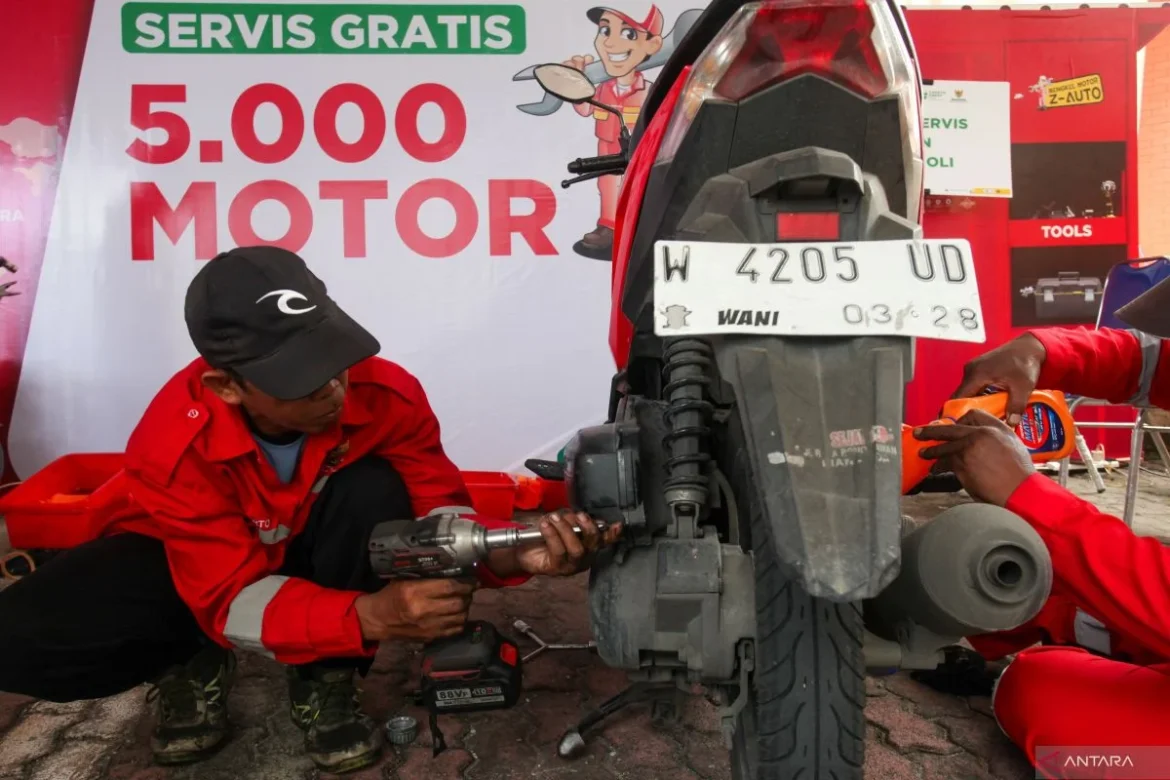
Motorcycle engine hesitation, universally recognized by riders as stuttering or "brebet" during acceleration, remains one of the most frustrating mechanical issues faced by commuters and enthusiasts alike. This phenomenon occurs when a motorcycle experiences sudden power loss, sluggish throttle response, or jerky movements upon twisting the throttle. Mechanically, an internal combustion engine relies on a precise stoichiometric ratio—a carefully balanced mixture of clean air and fuel ignited by a powerful, timely spark. When any single element within this delicate triad of fuel, air, and ignition is compromised, the combustion process fails, resulting in the dreaded hesitation.
As urban mobility increasingly depends on two-wheeled transport, understanding the root causes of engine stuttering has become paramount for vehicle longevity and rider safety. Industry data indicates that fuel and ignition-related anomalies account for nearly 70 percent of routine roadside mechanical complaints in Southeast Asia’s dense metropolitan areas. Modern motorcycles, ranging from traditional carbureted models to sophisticated electronic fuel injection (EFI) systems, require meticulous maintenance to perform at their peak.
Anatomy of Combustion Failure: The Core Triggers
To effectively diagnose why a motorcycle stutters under acceleration, mechanics and riders must systematically evaluate the primary systems governing engine performance. The troubleshooting process typically begins with the most accessible components and extends deep into the mechanical and electronic architecture of the powertrain.
-
Degraded, Fouled, or Worn Spark Plugs
The spark plug serves as the literal heartbeat of the ignition cycle, delivering the electrical arc necessary to ignite the air-fuel mixture inside the combustion chamber. Over time, carbon deposits, oil fouling, or natural electrode wear diminish the intensity and consistency of this spark. When the spark weakens, combustion becomes incomplete, manifesting as engine misfires, difficult cold starts, reduced horsepower, and spiked fuel consumption. Technicians strongly advise inspecting spark plugs at every regular service interval and replacing them strictly in accordance with manufacturer specifications. -
Restricted or Contaminated Air Filters
An internal combustion engine consumes thousands of liters of air for every liter of fuel burned. The air filter acts as the first line of defense against dust, debris, and moisture. When a filter becomes excessively clogged, air intake drops dramatically, skewing the air-fuel ratio toward a "rich" condition—meaning there is too much fuel and not enough oxygen. Major manufacturers like Yamaha frequently warn that choked air filters severely impair throttle response and suffocate engine performance, highlighting the necessity of cleaning or replacing filter elements routinely. -
Fuel Delivery Obstructions: Injectors and Carburetors
Fuel delivery systems are exceptionally sensitive to particulate contamination. In modern fuel-injected motorcycles, tiny electromagnetic injectors atomize fuel directly into the intake tract. If varnish or sediment clogs these microscopic nozzles, the spray pattern distorts, leading to localized combustion failure. Conversely, in older carbureted machines, blocked pilot jets or contaminated float bowls disrupt idle and low-end fuel metering. Professional ultrasonic cleaning or specialized fuel system additives are frequently required to restore proper fluid dynamics. -
Substandard Fuel Quality and Contamination
The purity of the fuel pumped into a motorcycle tank directly dictates combustion efficiency. Fuel contaminated with water, sediment, or incorrect octane ratings burns irregularly, causing immediate knocking, stuttering, and catastrophic power loss. High-profile regional incidents—such as widespread fuel contamination investigations across parts of Indonesia where regulatory bodies and state energy companies inspected hundreds of gas stations following sudden waves of vehicle hesitation—underscore the critical vulnerability of engines to compromised fuel supplies. In such cases, industry watchdogs like consumer protection agencies have consistently stressed the importance of utilizing certified, reputable fuel distribution networks. -
Throttle Body and Sensor Malfunctions
Electronic fuel injection systems rely on a network of sensors—such as the Throttle Position Sensor (TPS), Manifold Absolute Pressure (MAP) sensor, and oxygen sensors—to calculate optimal injection timing and volume. If the throttle body accumulates carbon gum around the butterfly valve, or if sensor readings drift out of calibration, the Engine Control Unit (ECU) receives faulty data. This disconnect leads to erratic air-fuel mixtures. When these electronic hiccups occur, modern motorcycles often illuminate the "Check Engine" light, signaling that diagnostic scanning tools are required at an authorized service center. -
Ignition Coil and Electrical Faults
Beyond the spark plug, the secondary ignition system relies on ignition coils to step up battery voltage into the thousands of volts needed for combustion. A failing coil, cracked plug cap, or degraded wiring harness can cause intermittent electrical sparking. If the spark fires erratically, the engine will stutter violently the moment the rider demands acceleration. -
Diminishing Mechanical Compression
When ignition, fuel, and air delivery systems are verified as fully functional yet engine stuttering persists, the problem typically transcends routine adjustments, pointing instead to deep internal mechanical wear. Low cylinder compression—often caused by worn piston rings, scored cylinder walls, or leaking intake and exhaust valves—prevents the engine from developing sufficient pressure for proper combustion. Resolving internal compression issues requires major engine teardowns performed exclusively by certified mechanical technicians.
Chronology of Diagnostic and Remedial Action
When addressing a stuttering motorcycle, professional service centers follow a strict, phased chronology to minimize repair costs and downtime:
Phase 1: Initial Rider Assessment and Triage
The process begins the moment a rider notices abnormal hesitation. Mechanics listen to the engine note, check for accompanying dashboard warning lights, and determine whether the stutter occurs at idle, mid-range acceleration, or high speeds.
Phase 2: Visual and Surface Inspection
Technicians inspect accessible external components. This includes pulling the spark plug to read its color and electrode gap, inspecting the air filter box for debris or rodent nests, and checking fuel lines for kinks or leaks.
Phase 3: System Testing and Cleaning
If surface components are sound, technicians move to chemical and electronic checks. This involves cleaning throttle bodies with specialized aerosol solvents, flushing fuel injectors, testing battery voltage and charging systems, and scanning the ECU for stored diagnostic trouble codes (DTCs).
Phase 4: Deep Mechanical Overhaul
In severe scenarios where basic interventions fail, mechanics perform compression and leak-down tests. If internal wear is detected, the motorcycle undergoes cylinder head servicing, valve clearance adjustments, or piston ring replacement.
Broader Industry Implications and Preventive Maintenance
The prevalence of engine hesitation highlights a broader challenge within the consumer vehicle sector: the gap between recommended maintenance schedules and actual rider compliance. Market analysis indicates that premature component wear is frequently accelerated by poor fuel quality, delayed oil changes, and environmental factors such as high humidity and heavy urban pollution.
To mitigate these risks, automotive and motorcycle industry associations continually advocate for proactive preventive maintenance. Regular servicing not only prevents sudden roadside breakdowns but also optimizes fuel efficiency and curtails harmful exhaust emissions in congested metropolitan environments. Regulatory agencies and consumer protection foundations routinely monitor fuel distribution quality to protect vehicle owners from substandard petroleum products, ensuring accountability across the supply chain.
Ultimately, a motorcycle that stutters during acceleration is signaling a disruption in its complex ecosystem of fire, fuel, and air. By adhering to a systematic diagnostic approach—starting from simple spark plug inspections and progressing to advanced electronic diagnostics—riders can accurately pinpoint the root cause of engine hesitation. Coupled with disciplined routine maintenance and the use of high-quality fuel, vehicle owners can ensure optimal engine performance, extended machine lifespan, and uncompromised safety on the road.
