The recognition of Gampong Nusa Tourism Village in the Aceh Besar Regency as a recipient of the ASEAN Tourism Awards 2023-2025 marks a significant milestone for the Indonesian hospitality sector, specifically within the realm of community-based tourism. This prestigious accolade, specifically in the ASEAN Homestay Standard category, serves as a formal validation of the village’s commitment to maintaining international quality in service, infrastructure, and cultural preservation. By meeting the rigorous criteria set by the Association of Southeast Asian Nations (ASEAN), Gampong Nusa has effectively elevated its status from a local destination to a globally recognized site, signaling to international travelers that its accommodations meet the highest regional standards for safety, cleanliness, and authentic cultural engagement.
The award was officially presented by the Minister of Tourism and Creative Economy of the Republic of Indonesia, Sandiaga Salahuddin Uno, to the Village Head (Keuchik) of Gampong Nusa, Yasin, during a ceremony held at the Kraton Ballroom of the Marriott Hotel in Yogyakarta. The event coincided with the ASEAN Tourism Forum (ATF) 2023, a major regional summit aimed at fostering collaboration and promoting Southeast Asia as a single, diverse tourism destination. For Gampong Nusa, this recognition is not merely a trophy but a testament to a decades-long journey of resilience and community empowerment that began in the wake of one of the modern era’s greatest natural disasters.
Historical Context and the Evolution of Community Hospitality
The origins of Gampong Nusa’s hospitality movement are deeply rooted in the aftermath of the 2004 Indian Ocean Tsunami. While the disaster brought unprecedented devastation to the Aceh province, it also brought an influx of international aid workers, volunteers, and journalists. In those early years of recovery, the residents of Gampong Nusa opened their homes to these visitors, providing shelter and meals when formal hotels were non-existent. This organic interaction laid the groundwork for what would eventually become a structured tourism industry.
According to Keuchik Yasin, the village has been hosting a diverse range of visitors for nearly two decades. Following the emergency response phase of the tsunami, the community realized that their traditional way of life, combined with the scenic beauty of the Aceh Besar landscape, held significant appeal for travelers seeking authentic experiences. Over the years, Gampong Nusa has welcomed tourists from the United States, Malaysia, Brunei Darussalam, and several European nations. This history of cross-cultural interaction has allowed the local population to refine their hospitality skills, ensuring they can cater to international preferences while remaining true to their Acehenese heritage and Islamic values.
In 2021, Gampong Nusa’s efforts were recognized on a national level when it won first place in the Homestay Category at the Anugerah Desa Wisata Indonesia (ADWI) or Indonesian Tourism Village Awards. This national success acted as a springboard, providing the village with the momentum and government support necessary to vie for regional honors at the ASEAN level.
Understanding the ASEAN Homestay Standard
The ASEAN Tourism Awards are not granted lightly; they are based on the ASEAN Homestay Standard, a comprehensive set of criteria designed to ensure that community-based accommodations provide a high-quality experience. To achieve this certification, a village must excel in several key areas. These include the quality of the host (hospitality and language skills), the variety of activities offered to guests, the standard of the physical facilities (cleanliness, ventilation, and bedding), the safety and security of the environment, and the quality of food and beverage services.
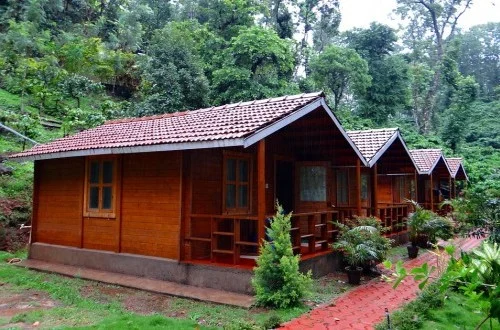
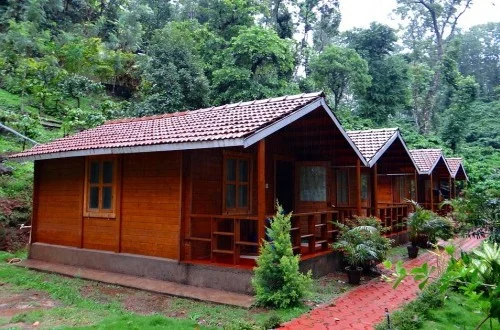
Currently, Gampong Nusa offers 45 certified homestay rooms. Unlike conventional hotels, these homestays are integrated into the daily lives of the villagers. Guests often participate in traditional activities, such as cooking local Acehenese dishes, learning traditional dances, or participating in agricultural practices. The ASEAN award confirms that Gampong Nusa has successfully balanced these authentic "village life" experiences with the logistical requirements of modern tourism, such as reliable sanitation and emergency protocols.
Community-Based Tourism as an Economic Engine
The primary objective of developing Gampong Nusa into a world-class tourism village is the improvement of the local economy. Keuchik Yasin emphasized that the influx of tourists directly impacts the livelihoods of the villagers. When a guest stays in a homestay, the revenue does not go to a distant corporate entity; instead, it flows directly to the host family, the local farmers who provide the food, the artisans who sell handicrafts, and the guides who lead village tours.
This model of Community-Based Tourism (CBT) is a cornerstone of the Indonesian Ministry of Tourism and Creative Economy’s strategy to foster sustainable growth. By empowering local residents to manage their own tourism assets, the government ensures that the benefits of the industry are distributed equitably. In Gampong Nusa, the tourism sector has stimulated the growth of small and medium enterprises (SMEs), particularly those involved in traditional culinary products and upcycled crafts. The village is well-known for its "Waste-to-Gold" initiative, where residents transform organic and inorganic waste into valuable products, a practice that has become a unique selling point for environmentally conscious travelers.
Strategic Implications for Aceh’s Tourism Landscape
The success of Gampong Nusa carries broader implications for the province of Aceh as a whole. For many years, Aceh’s tourism industry faced challenges related to its perception as a post-conflict and post-disaster zone, as well as misconceptions regarding its implementation of Sharia law. However, Gampong Nusa’s ASEAN-level recognition serves as a powerful rebuttal to these narratives. It demonstrates that Aceh is not only safe and welcoming but is also capable of producing tourism products that compete with the best in Southeast Asia.
The award highlights Aceh Besar’s potential as a hub for "Halal Tourism" or "Muslim-Friendly Tourism," a rapidly growing segment of the global market. By offering accommodations that respect Islamic principles—such as the availability of prayer facilities and halal-certified food—while maintaining international service standards, Gampong Nusa is perfectly positioned to attract travelers from neighboring Muslim-majority countries like Malaysia and Brunei, as well as the Middle East.
Furthermore, the provincial government of Aceh has expressed hope that Gampong Nusa will serve as a role model for other villages in the region. There are hundreds of "Gampongs" (villages) across Aceh with untapped tourism potential, ranging from coastal areas with world-class surfing to highland regions famous for coffee production. The "Nusa Model" provides a blueprint for how these communities can organize themselves, preserve their culture, and achieve economic independence through tourism.
Official Responses and Future Projections
Minister Sandiaga Uno has frequently praised Gampong Nusa for its resilience and creative approach to tourism. During the award ceremony in Yogyakarta, he noted that tourism villages are the "spearhead" of Indonesia’s economic recovery. The Minister highlighted that the ASEAN Tourism Awards are a vital tool for branding Indonesia as a destination that offers more than just the traditional tourist hotspots like Bali.
Keuchik Yasin, while celebrating the current achievement, remains focused on the future. He expressed a desire for Gampong Nusa to pursue awards in other categories, such as sustainable tourism and community involvement. The village leadership plans to continue upgrading its facilities, with a focus on digital literacy for homestay owners to help them market their properties on global booking platforms. There is also a plan to expand the number of available rooms and diversify the activities offered to visitors, ensuring that the village remains a competitive and attractive destination for years to come.
The provincial tourism office of Aceh (Disbudpar Aceh) has also pledged continued support for Gampong Nusa, including infrastructure improvements and specialized training for local guides. The goal is to create a seamless travel experience that connects Gampong Nusa with other attractions in Aceh Besar and the provincial capital of Banda Aceh, such as the Tsunami Museum and the historic Baiturrahman Grand Mosque.
Conclusion: A Benchmark for Regional Excellence
The ASEAN Tourism Award for Gampong Nusa is more than just a local success story; it is a significant achievement for the Indonesian tourism industry on the regional stage. It proves that with community solidarity, government support, and a commitment to international standards, even a small village can achieve global recognition.
As the 2023-2025 award period progresses, Gampong Nusa stands as a beacon of sustainable development. It showcases a version of tourism that honors the past, protects the environment, and provides a clear path to prosperity for the next generation of Acehenese. For the international traveler, the award serves as a guarantee that a journey to Gampong Nusa will offer not only the warmth of traditional hospitality but also the professional standards expected of a premier Southeast Asian destination. The village’s journey from the ruins of the tsunami to the podium of the ASEAN Tourism Awards is a remarkable narrative of transformation, proving that the spirit of "Gotong Royong" (communal cooperation) remains the most powerful asset in Indonesia’s tourism portfolio.