
The harrowing ordeal of Arunima IP, a prominent Indian content creator and solo traveler, has cast a sharp spotlight on the volatile intersection of digital-age tourism and the restrictive sociopolitical landscape of Afghanistan under Taliban rule. Arunima, who commands a digital audience of over 1.2 million followers on Instagram and more than 733,000 subscribers on YouTube, found herself at the center of a geopolitical security incident in mid-September 2026. Her attempt to document life in one of the world’s most restricted nations culminated in her detention by Taliban authorities, underscoring the precarious reality faced by foreign visitors, particularly women, navigating the current Afghan administration.
A Chronology of the Incident
The events leading to the detention began in early September 2026, when Arunima embarked on a solo expedition across Afghanistan. Her travelogue aimed to capture the essence of local markets and remote villages, a pursuit she had shared with her vast online following.
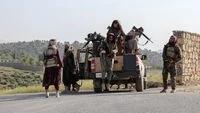
On Monday, September 14, the situation escalated rapidly. Arunima transmitted an urgent SOS message, pleading for assistance in contacting the Indian Embassy. The message signaled that she had been intercepted by armed individuals identifying themselves as members of the Taliban. According to the creator’s accounts, the confrontation occurred at a checkpoint where her documentation was subjected to intense scrutiny. The following 24 hours were marked by significant international concern and uncertainty regarding her safety. By the morning of Tuesday, September 15, Arunima managed to communicate that she was no longer in immediate physical custody, though her freedom of movement remained heavily compromised.
The Dynamics of Detention and Interrogation
Arunima’s experience highlights the systemic barriers imposed on women in Afghanistan. In her subsequent reports, she noted that while she had been granted a visa to enter the country, her presence as a lone female traveler contradicted the Taliban’s internal policies, which severely restrict the autonomy of women in public spaces.
During the interrogation process, the armed guards—who, as she noted, often function as de facto law enforcement officers—struggled to interpret her official documentation. The language barrier and the lack of standardized administrative protocols for foreign solo travelers led to a tense standoff. Arunima described the experience as a period of profound psychological distress, stating, "I spent several hours in tension, to the point where I felt I could die. I was truly terrified."
After being detained for several hours, she was eventually released but faced immense difficulty in navigating the regional geography. She managed to secure passage on a truck heading toward Bamyan. Upon her arrival in the city, she encountered further scrutiny, as her solitary presence in the late hours of the evening drew immediate attention from locals and local authorities, who viewed a woman traveling alone as an anomaly that required intervention.
The Role of Content Creation in High-Risk Zones
Arunima’s journey is part of a growing trend among "adventure" content creators who seek to document life in conflict-ridden or politically unstable regions. This practice, often referred to as "dark tourism" or "extreme travel blogging," involves visiting nations where foreign governments have issued strict travel advisories.
In her videos, Arunima acknowledged the rigid dress codes and behavioral norms expected of women in Afghanistan. "In Afghanistan, women are only allowed to show their eyes," she remarked in one of her segments. "I can show my face because I am from another country." This distinction, however, proved insufficient to insulate her from the shifting whims of local Taliban commanders who hold the power to interpret and enforce the law at their discretion.
Official Stances and Diplomatic Silence
As of late September 2026, both the Taliban leadership and the Indian Ministry of External Affairs have remained notably silent regarding the specifics of the incident. The lack of a formal statement from the Taliban reflects the group’s decentralized and often opaque administrative structure, where local commanders frequently operate with significant autonomy.
For the Indian government, the situation presents a delicate diplomatic challenge. India has maintained a cautious engagement strategy with the Taliban, focusing on humanitarian aid and the preservation of regional stability, without extending formal diplomatic recognition. A high-profile detention of an Indian national complicates these efforts, as it highlights the inherent risks of travel in a jurisdiction where the rule of law is dictated by religious edict rather than international standards.
Broader Implications for Global Travel
The incident has triggered a broader debate regarding the ethics of travel blogging in fragile states. Global security analysts suggest that the rise of social media influence has incentivized creators to prioritize unique, "dangerous" content over personal safety and diplomatic realities.
- Travel Advisories: Most nations, including India, maintain high-level travel warnings for Afghanistan, explicitly advising against all travel due to the risk of arbitrary detention, terrorism, and civil unrest.
- Administrative Chaos: The case illustrates the lack of consistency in Taliban governance. While a visa may be issued by one government branch, it does not guarantee protection or even recognition by local militia members on the ground.
- The Vulnerability of Women: The Taliban’s interpretation of gender segregation laws creates a high-risk environment for female travelers. Even when foreign status grants a measure of temporary immunity, it remains conditional and subject to the local commander’s interpretation of "moral" behavior.
Analysis: A Shift in Landscape
The detention of a high-profile creator serves as a stark reminder that the "normalization" of Afghanistan as a tourist destination—a narrative occasionally pushed by some digital influencers—is premature and misleading. The lack of a functioning, unified legal system means that for any traveler, a routine stop at a checkpoint can quickly escalate into a life-threatening situation.
The psychological toll described by Arunima, and the logistical nightmare of finding safe transit, underscores that the "adventure" depicted in short-form, edited video content often obscures the grim reality of life in a country where human rights, particularly those of women, are severely curtailed. As the digital creator economy continues to expand, the incident serves as a critical case study on the limits of influence and the enduring dangers of ignoring official diplomatic warnings in favor of viral engagement.
Moving forward, the international community and travel platforms will likely face increased pressure to address the safety of content creators who knowingly venture into zones of extreme risk. Until such a time as Afghanistan establishes a stable legal framework that respects international norms, the story of Arunima serves as a sobering cautionary tale for those who seek to navigate the world’s most perilous regions through the lens of a camera.
