
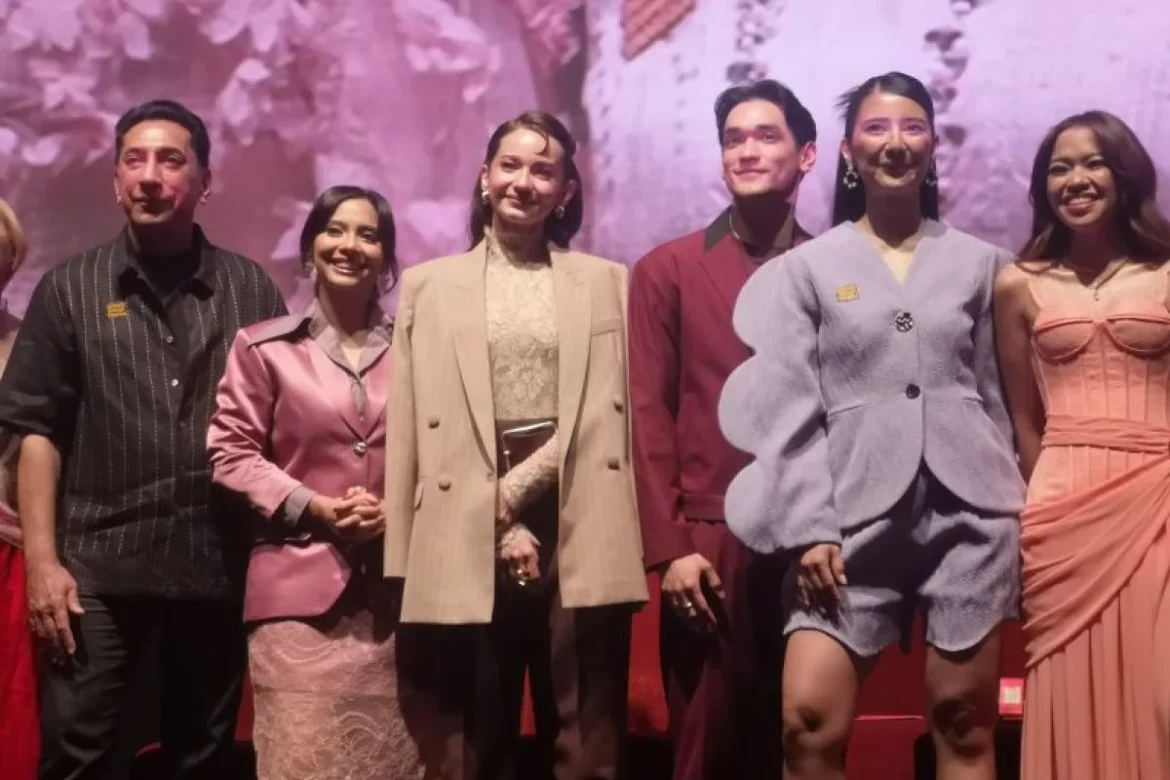
The landscape of Indonesian cinema is poised to embrace a fresh narrative that bridges the gap between urban economic realities and domestic labor dynamics. Agensi Rumah Tangga, a forthcoming comedy-drama feature directed by acclaimed filmmaker Naya Anindita, is scheduled to premiere in theaters nationwide on September 10, 2026. Adapted from the commercially successful novel of the same name by author Almira Bastari, the film aims to deliver a poignant yet humorous exploration of contemporary womanhood, familial expectations, the evolving corporate landscape, and the deeply intricate relationships between affluent employers and domestic workers.
With a screenplay penned by the creative duo Upi and Ayu Anggraini Putri, the production company Starvision—led by veteran producer Chand Parwez—has positioned the film as a major theatrical release for the latter half of 2026. The project brings together an expansive ensemble cast comprising mainstream dramatic actors and prominent stand-up comedians, blending sharp social commentary with accessible humor designed to resonate with a broad cross-section of Indonesian society.
Background Context and Adaptation Journey
The journey of Agensi Rumah Tangga from a bestselling page-turner to the silver screen reflects a broader industry trend in Indonesian filmmaking: the strategic adaptation of contemporary local literature that strikes a chord with urban demographics. Almira Bastari, known for her sharp observations of corporate culture and modern romance in contemporary Indonesian fiction, originally conceptualized a storyline that mirrors the socioeconomic vulnerabilities faced by young adults navigating post-graduation realities, economic inflation, and urban living costs.
In recent years, the Indonesian box office has demonstrated a robust appetite for stories grounded in everyday socio-economic struggles, particularly those highlighting the resilience of women. By translating Bastari’s literary work into a cinematic format, the creative team addresses structural labor issues within the domestic sphere—a sector frequently overlooked in mainstream commercial media despite its foundational role in urban households. Director Naya Anindita, recognized for her distinct visual storytelling and character-driven narratives, was brought on board to ensure that the delicate balance between systemic economic commentary and lighthearted comedy was maintained throughout production.
Plot Synopsis and Narrative Arc
The narrative centers on Katia, portrayed by actress Enzy Storia, whose secure urban lifestyle is abruptly upended by a sudden layoff—a corporate reality increasingly common in volatile economic climates. Compounding the psychological and financial strain of sudden unemployment, Katia faces the immediate pressure of servicing her mandatory housing loan installments (Kredit Pemilikan Rumah or KPR).
Rather than re-entering a hyper-competitive corporate job market, Katia pivots into an unexpected vocational direction by establishing herself as an agency operator specializing in the recruitment and placement of domestic workers, or Asisten Rumah Tangga (ART). This career transition thrusts her into a socio-economic stratum she previously navigated only as an employer.
As Katia manages her burgeoning agency, she encounters a diverse cohort of domestic workers, each carrying unique personal histories, economic burdens, and psychological challenges. What begins strictly as a transactional business arrangement gradually evolves into a deeply supportive surrogate family. However, the narrative conflict peaks when Katia is forced to make an untenable choice: to protect and prioritize the welfare of her newfound community of domestic workers—whom she now regards as kin—or to conform to the conventional career trajectory demanded by her mother. This central dilemma drives a sequence of events characterized by dramatic tension, situational comedy, and emotional resonance.
Production Dynamics and Character Ensemble
The casting process for Agensi Rumah Tangga was characterized by a deliberate effort to assemble a diverse ensemble capable of navigating both comedic timing and emotional gravitas. Alongside Enzy Storia, the film features a robust supporting cast including Afgansyah Reza, Fita Anggriani, Ardit Erwandha, Yunita Siregar, Unique Priscilla, Tike Priatnakusumah, Nada Novia, and Ummi Quary.
To anchor the film’s comedic backbone, the production integrated a substantial contingent of prominent Indonesian stand-up comedians and comedic actors, such as Neneng Wulandari, Boah Sartika, Dea Panendra, Musdalifah Basri, Astrid Juwita, Priska Baru Segu, Nury Zhafira, Mega Salsabila, and Nazira C. Noer. According to director Naya Anindita, the deliberate inclusion of these performers was intended to foster a high-energy, collaborative atmosphere on set, which she believes will translate palpably to the audience upon the film’s theatrical release.
The character dynamics extend beyond Katia and her domestic workers. The screenplay incorporates multifaceted female archetypes representing various rungs of the socioeconomic ladder—ranging from civil servants (PNS) balancing motherhood and public sector duties to women undertaking traditionally male-dominated labor sectors to sustain their households. This multi-layered representation underscores the film’s broader thematic exploration of female agency and economic survival.
Industry Analysis and Socio-Economic Implications
From a commercial and cultural perspective, Agensi Rumah Tangga arrives at a critical juncture for the Indonesian film industry. Industry analysts note a growing audience preference for narratives that reflect local societal structures rather than idealized, Westernized tropes. By tackling the employer-employee dynamic within domestic households—a ubiquitous element of middle-to-upper-class Indonesian life—the film opens up space for social reflection disguised as entertainment.
Producer Chand Parwez has emphasized that the film’s primary strength lies in its ability to merge high-concept comedy with emotional authenticity. The integration of comedians does not merely serve a gag-driven purpose; rather, it utilizes humor as a psychological coping mechanism for characters dealing with job insecurity, debt, and familial obligation.
Furthermore, the film’s core exploration of women’s labor aligns with broader macroeconomic discussions surrounding female labor force participation, underemployment, and the precarious nature of informal labor in urban centers. While Agensi Rumah Tangga remains fundamentally a commercial entertainment vehicle, its underlying commentary on dignity of labor, class empathy, and familial duty provides a mirror for contemporary Indonesian anxieties regarding financial stability.
Theatrical Release and Market Expectations
As distribution preparations ramp up toward the September 10, 2026 premiere, expectations within the exhibition sector remain high. Starvision aims to capitalize on the existing intellectual property fanbase established by Almira Bastari’s novel, combined with the star power of Enzy Storia and a sprawling ensemble cast.
Marketing campaigns are anticipated to leverage the film’s relatability, focusing heavily on themes of second chances, economic resilience, and unconventional friendships. As Indonesian cinema continues to diversify its genre offerings beyond horror and conventional romantic comedies, Agensi Rumah Tangga stands as a test case for whether socially conscious domestic dramedies can achieve both critical acclaim and box office dominance in the competitive post-pandemic exhibition market.
