
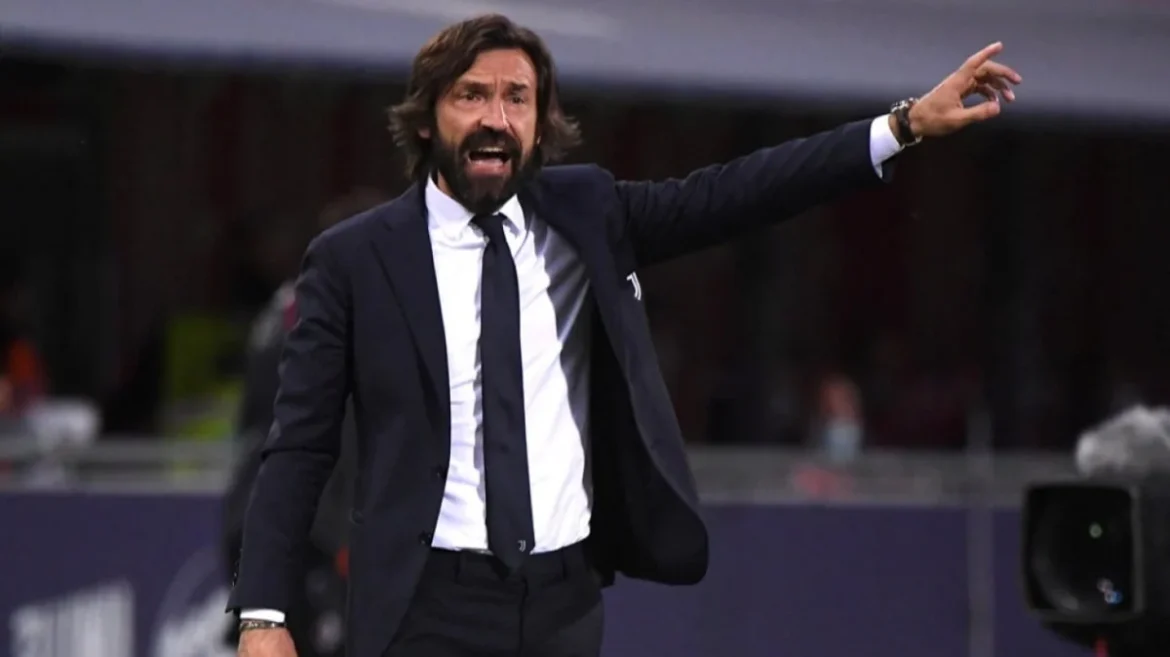
Rome, Italy – July 25, 2026 – The Italian Football Federation (FIGC) finds itself in an escalating internal crisis following reports that technical director Paolo Maldini has moved to appoint Andrea Pirlo as the new head coach of the Gli Azzurri. This decision has reportedly ignited fierce opposition, most notably from former national team coach Roberto Mancini, who is said to have lodged a formal protest with Giovanni Malagò, President of the Italian National Olympic Committee (CONI) and a highly influential figure in Italian sports. The development comes amidst an ongoing search for a new tactician to lead Italy, a process that has now exposed deep fissures within the nation’s footballing establishment.
The highly anticipated announcement of Italy’s next manager, expected within days, has turned into a contentious affair. According to reports from renowned football journalist Fabrizio Romano, an agreement is already in place between Pirlo and the FIGC. This swift movement follows weeks of speculation and a largely unsuccessful attempt by the Federation to entice Manchester City’s Pep Guardiola to take the reins. Pirlo’s potential appointment, however, is far from universally welcomed, raising questions about the future direction and stability of the four-time world champions.
The Search for a New Leader and Maldini’s Mandate
The quest for a new national team coach has been a priority for the FIGC, particularly after a period marked by fluctuating fortunes for Gli Azzurri. Following their triumphant UEFA Euro 2020 campaign in the summer of 2021, Italy experienced the devastating setback of failing to qualify for the 2022 FIFA World Cup, a historic second consecutive absence from the global showpiece. This failure led to a period of introspection and pressure on the FIGC to implement structural changes and ensure a return to consistent elite performance.
Paolo Maldini, a legendary figure in Italian football revered for his illustrious playing career with AC Milan and the national team, was appointed as the FIGC’s technical director just weeks ago. His arrival was heralded as a move to bring unparalleled footballing acumen and a clear strategic vision to the Federation. Tasked with overseeing all technical aspects, including youth development and the appointment of national team coaches, Maldini was granted significant autonomy in shaping Italy’s footballing future. His decision to back Andrea Pirlo is seen as a definitive exercise of this new authority.
Maldini’s choice reportedly bypassed other high-profile candidates who had been linked with the coveted position, including two former Italy coaches, Roberto Mancini and Antonio Conte, both of whom possess extensive experience at the international and club levels. While Guardiola was initially the dream target, his commitment to Manchester City proved unwavering, shifting the focus to a pool of available or potentially available Italian managers.
Andrea Pirlo: The ‘Maestro’s’ Unproven Coaching Path
Andrea Pirlo, affectionately known as ‘Il Maestro’ during his playing days, is celebrated as one of the finest deep-lying playmakers of his generation. His vision, passing range, and set-piece prowess were instrumental in Italy’s 2006 World Cup victory and numerous club successes with AC Milan and Juventus. His transition to coaching, however, has been marked by a steep learning curve and a relatively limited track record.
Pirlo’s most high-profile coaching role came at Juventus, where he managed the senior team for the 2020-2021 season. Despite securing the Coppa Italia and the Supercoppa Italiana, his tenure was widely considered underwhelming. Juventus struggled for consistency in Serie A, finishing fourth and ending their nine-year dominance of the league title. In the UEFA Champions League, they were eliminated in the Round of 16. Critics often pointed to a perceived lack of tactical clarity and an over-reliance on individual brilliance from stars like Cristiano Ronaldo, Paulo Dybala, Giorgio Chiellini, and Federico Chiesa. After his spell at Juventus, Pirlo coached Fatih Karagümrük in Turkey during the 2022-2023 season, where he achieved a mid-table finish before leaving by mutual consent. More recently, he has been in charge of Sampdoria, a club striving for promotion from Serie B.
While Pirlo’s playing intelligence is undeniable, his coaching resume lacks the depth and sustained success typically associated with a national team manager, especially for a footballing powerhouse like Italy. This apparent leap of faith by Maldini is at the heart of the current controversy.
Roberto Mancini’s Outcry and the Shadow of a Legacy
The news of Pirlo’s impending appointment has been met with significant indignation from Roberto Mancini. According to reports from Italian media outlet Il Corriere della Sera, Mancini feels "ignored" and "aggrieved" by the decision, leading him to directly express his displeasure to Giovanni Malagò. Mancini’s frustration stems from his belief that he was a leading candidate, possibly even the preferred choice for Malagò, and was ready for a second stint with Gli Azzurri.
Mancini’s previous tenure as Italy coach, from 2018 to 2023, was a period of both soaring highs and crushing lows. He is credited with orchestrating a remarkable renaissance for the national team, instilling a vibrant, attacking style of play that culminated in their unexpected triumph at Euro 2020. Under his guidance, Italy embarked on an unprecedented 37-match unbeaten run, setting a new international record. However, this golden era was abruptly halted by the failure to qualify for the 2022 World Cup after a shocking playoff defeat to North Macedonia.
Following this disappointment, Mancini resigned from his post in August 2023, citing personal reasons and a desire for a new challenge. He subsequently took on the role of head coach for the Saudi Arabia national team, a move that surprised many observers given his strong connection to the Italian national setup. His tenure with Saudi Arabia, however, proved to be brief, reportedly lasting only about a year, leaving him recently available and seemingly eager to return to the international stage with Italy. For Mancini, who led 58 matches for Gli Azzurri and brought silverware, being overlooked for a coach with a less convincing CV is perceived as a profound slight. His protest to Malagò underscores the depth of his disappointment and the political weight he believes his candidacy carried.
Deepening Divisions Within the FIGC
Il Corriere della Sera further reveals that the decision by Maldini, supported by technical advisor Leonardo Araujo (another former AC Milan and PSG figure with close ties to Maldini), has not garnered unanimous support within the FIGC. The report indicates significant "doubts" among various Federation officials regarding Pirlo’s suitability for such a demanding role. These internal reservations point to a lack of consensus at the highest levels of Italian football governance, potentially undermining the incoming coach’s authority even before his official unveiling.
Giovanni Malagò, as the President of CONI, holds immense sway over Italian sports. While Gabriele Gravina is the official President of the FIGC, Malagò’s influence often extends to critical decisions affecting national sports federations. The fact that Mancini reportedly saw Malagò as his "favourite" and chose to protest directly to him suggests a power dynamic where different factions within Italian football hold divergent views on the best path forward. This could indicate a struggle between Maldini’s vision for a fresh, potentially more youthful coaching approach, and a desire among some established figures for a more experienced and ‘safe’ pair of hands, particularly in a period demanding stability.
Implications for Gli Azzurri and Italian Football
The internal discord surrounding Pirlo’s potential appointment carries significant implications for the Italian national team and the broader landscape of Italian football.
- Damaged Unity and Public Perception: A divided FIGC projects an image of instability and internal power struggles, which can negatively impact public trust and enthusiasm for the national team. The controversy could overshadow Pirlo’s arrival, placing him under intense scrutiny from day one.
- Immense Pressure on Pirlo: Should Pirlo indeed be appointed, he would face immediate and extraordinary pressure. Not only would he need to deliver results on the pitch, but he would also have to unite a potentially skeptical dressing room and convince a questioning public and a divided Federation that Maldini’s faith in him is justified. Any early missteps could quickly amplify calls for his dismissal.
- Impact on Player Morale: The internal strife could seep into the national team environment, creating an unsettled atmosphere. Players might be aware of the controversy, potentially affecting focus and team cohesion.
- Future of FIGC Governance: The episode highlights a potential tension between the authority granted to a technical director like Maldini and the broader political landscape within Italian football. It could lead to a reassessment of roles and responsibilities within the Federation.
- Tactical Philosophy: Pirlo’s appointment would signal a commitment to a particular tactical philosophy, potentially one emphasizing possession and technical quality, albeit without the extensive proven managerial experience to back it up at this level. This marks a departure from the more pragmatic, experienced leadership often sought for national teams.
As the official announcement looms, Italian football finds itself at a critical juncture. The decision to entrust Andrea Pirlo with the helm of the national team, spearheaded by Paolo Maldini, represents a bold gamble. It is a move that aims to infuse new blood and a distinct footballing identity, but one that has simultaneously exposed deep-seated divisions and triggered the ire of a successful predecessor. The coming days will not only reveal the identity of Italy’s next coach but will also provide a clearer picture of the power dynamics and strategic direction of the Italian Football Federation as it navigates a challenging path toward future glory.
