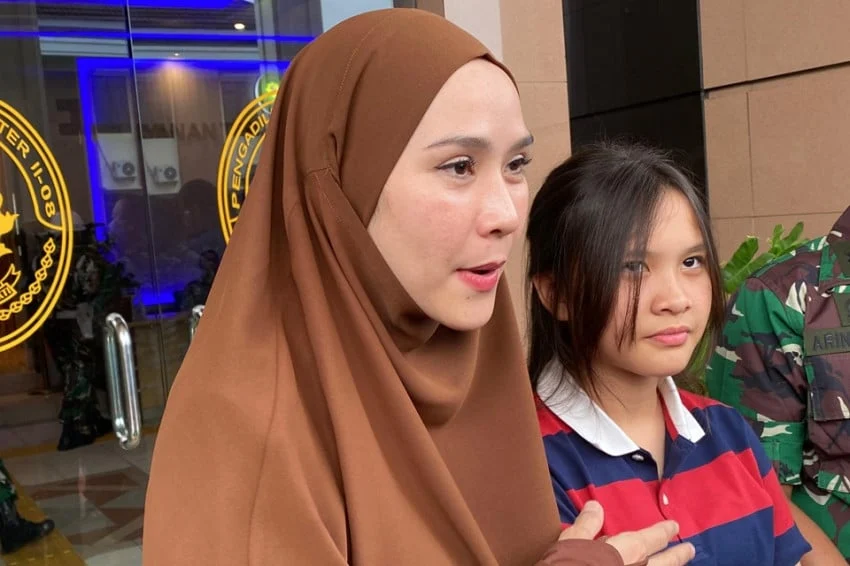
The young singer Betrand Peto, widely known by his nickname Onyo, appeared before the Women and Children Protection Unit (PPA) of the Polda Metro Jaya on Monday, September 21, 2026, to provide testimony regarding an ongoing investigation into an alleged assault. The legal proceeding, which lasted approximately four and a half hours, marks a significant development in a case involving high-profile figures and complex allegations surrounding a nightlife incident in the SCBD area of South Jakarta.
Accompanied by his legal counsel, Ezra, the artist complied with the summons to serve as a witness in a case initiated by an individual identified as DYP against Bebby Hatami, a close associate of the singer. The questioning session, which spanned from 3:00 AM to 7:30 AM, sought to clarify the sequence of events that occurred at a nightclub, an incident that has since drawn substantial media and public scrutiny.
The Chronology of the Investigation
The investigation stems from a complaint filed by DYP, who alleges that an assault took place during a gathering at a popular entertainment venue in the Sudirman Central Business District (SCBD). As a prominent public figure, Betrand Peto’s presence at the scene made him a person of interest for investigators looking to reconstruct the timeline of the night in question.
According to legal counsel Ezra, the inquiry focused on mapping out the singer’s movements and interactions during the timeframe of the alleged altercation. Investigators posed between 20 and 22 specific questions to the witness, attempting to delineate the events from the moment the group arrived at the club until their eventual departure to their subsequent shooting location.
The investigation aims to establish a precise timeline:
- The Arrival: Identifying the exact time the party arrived at the SCBD venue.
- The Incident: Pinpointing the period during which the alleged conflict occurred and identifying all parties involved or present.
- The Departure: Verifying the time the group exited the premises and their immediate next destination, which was reportedly a professional shooting set.
This chronological reconstruction is critical for the police to determine the validity of the assault allegations and to assess whether any criminal acts were committed by the accused party, Bebby Hatami, or others involved.
Contextual Background and Legal Standing
The legal entanglement involving Betrand Peto reflects the heightened scrutiny often applied to public figures in Indonesia, particularly when incidents occur in high-traffic nightlife hubs. In the Indonesian legal system, the PPA unit of the Polda Metro Jaya is tasked with handling sensitive cases involving potential victims of violence, which often necessitates a methodical and private approach to questioning.
The involvement of the PPA unit underscores the seriousness with which authorities are treating the allegations. While the specific nature of the assault remains subject to the ongoing investigation, the case has highlighted the complexities of managing personal associations and public appearances in an era of constant digital surveillance.
Betrand Peto, who has maintained a clean public image throughout his rise to fame, has consistently cooperated with law enforcement since the summons was issued. His legal team has emphasized that the artist’s role is strictly that of a witness, providing objective testimony to assist the police in their fact-finding mission.
Supporting Data and Legal Implications
In cases of alleged assault in public venues, the role of witnesses is paramount to establishing "mens rea" (guilty mind) and "actus reus" (guilty act). Under the Indonesian Criminal Code (KUHP), specifically regarding articles concerning physical mistreatment, the testimony of those present is vital for the prosecution to move from a preliminary investigation to a formal indictment.
Statistically, investigations involving nightlife disturbances in Jakarta often rely on a combination of witness statements, CCTV footage, and forensic evidence. The 4.5-hour duration of the interrogation suggests that investigators were looking for minute details—potentially seeking contradictions or confirmations of the claimant’s version of events compared to the witness’s perspective.
The implications for all parties involved are substantial. For Bebby Hatami, the outcome of this investigation will determine whether charges will be formally brought to trial. For Betrand Peto, the primary concern remains mitigating any potential reputational damage while ensuring his testimony is accurate and legally sound. Should the investigation conclude that there is insufficient evidence to support the claim of assault, the case may be dismissed; however, if evidence proves substantial, the matter will proceed through the court system, potentially leading to a trial.
Official Responses and Public Narrative
Throughout the legal proceedings, the camp representing Betrand Peto has sought to maintain transparency without compromising the integrity of the police investigation. Counsel Ezra noted that the artist provided comprehensive answers to all inquiries posed by the investigators, specifically detailing his whereabouts and his observations of the events at the nightclub.
The broader public narrative surrounding the case has been fueled by social media discourse and previous allegations, including reports of sexual misconduct that have occasionally been linked to high-profile nightlife incidents. While the current case specifically addresses the assault allegation, the media’s interest is partly driven by these overlapping narratives, which the defense team is working to disentangle.
"Onyo has fulfilled his obligations as a citizen," Ezra stated following the questioning. "He has provided all the information requested by the authorities to ensure the truth is brought to light."
Analysis of the Broader Impact
The case of Betrand Peto and the alleged assault in SCBD serves as a case study for the challenges faced by young celebrities in navigating professional and personal lives under the public gaze. The incident also highlights the operational efficiency of the Polda Metro Jaya in handling high-profile complaints.
From an analytical standpoint, the case raises questions about the responsibility of public figures when they are present at scenes where illegal activities are alleged to have occurred. While there is no suggestion of wrongdoing by the singer, the necessity of a 4.5-hour interrogation demonstrates that authorities are not exempting anyone from rigorous investigation, regardless of their celebrity status.
Furthermore, the legal implications for the accused, Bebby Hatami, remain the focal point of the investigation. The outcome will likely hinge on the corroboration of Betrand Peto’s testimony with other evidence, such as venue security logs and statements from other patrons present that evening.
Future Outlook and Procedural Next Steps
As the investigation enters its next phase, the public can expect further developments as the police synthesize the witness statements and evidence collected thus far. The PPA investigators are expected to compare the testimonies of multiple witnesses to create a cohesive picture of the night.
If the police find that the case meets the threshold for criminal prosecution, the case file will be forwarded to the Public Prosecutor’s Office (Kejaksaan). At that point, the legal focus will shift from the investigative phase to the trial preparation phase. Should the evidence be found lacking, the case could be dropped, providing a resolution that would allow the parties involved to move forward.
In the meantime, the entertainment industry and the public remain attentive. For the fans of Betrand Peto, the hope is for a swift conclusion that clears the singer of any involvement in the controversy, allowing him to return to his career without the weight of a legal cloud hanging over his public appearances.
Conclusion
The questioning of Betrand Peto on September 21, 2026, represents a critical moment in an ongoing legal drama that has captivated public attention in Jakarta. By participating in the investigation, the singer has demonstrated a commitment to legal due process. As the Polda Metro Jaya continues its work, the facts will inevitably emerge, separating rumor from reality and determining the legal consequences for those involved.
The event serves as a reminder of the intersection between fame, legal accountability, and the complexities of social interactions in metropolitan settings. As the legal system works through the evidence, the primary objective remains the pursuit of justice based on the facts presented by witnesses and substantiated by physical evidence. The final determination of the court, or the decision of the investigators, will be the ultimate arbiter in a case that has highlighted the necessity of thorough and objective law enforcement in the digital age.