
The modern aviation experience has evolved significantly from the "Golden Age of Travel," shifting from a formal social event to a test of physical endurance and logistical efficiency. As flight durations increase and cabin spaces become more optimized for capacity, the importance of personal attire has transitioned from a matter of style to a critical factor in health, safety, and comfort. Travel experts and seasoned frequent flyers have identified a specific set of garments that, while fashionable or convenient on the ground, present significant drawbacks once a passenger crosses the threshold of an aircraft. Understanding the physiological and practical reasons behind these recommendations is essential for any traveler navigating the complexities of long-haul journeys or even short domestic hops.
The Physiological Impact of Cabin Environments on Clothing Choice
To understand why certain clothing items are discouraged, one must first consider the unique environment of a pressurized aircraft cabin. At cruising altitudes, typically between 30,000 and 40,000 feet, the cabin is pressurized to an equivalent of 6,000 to 8,000 feet above sea level. This change in pressure causes gases within the human body to expand by approximately 25 percent. Furthermore, the humidity levels in a cabin often drop below 20 percent, which is significantly drier than the average desert. These factors, combined with the sedentary nature of flying, mean that clothing must accommodate bodily swelling, maintain skin hydration, and facilitate unimpeded blood circulation.
1. The Case Against Denim: Why Jeans Are a Flight Risk
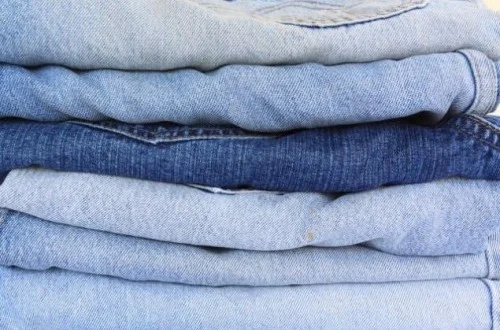
Jeans are perhaps the most ubiquitous garment in the modern wardrobe, yet they are frequently cited by travel experts as the primary item to avoid during a flight. Tory Jon, a travel writer and the founder of Camper FAQs, emphasizes that for any flight exceeding three hours, denim should be discarded in favor of more flexible materials. The primary concern is the restrictive nature of the fabric. Heavy denim, particularly in "skinny" or "slim-fit" cuts, does not allow for the natural expansion of the legs and abdomen that occurs during flight.
From a medical perspective, tight clothing around the waist and legs can significantly impede the circulatory system. This restriction increases the risk of Deep Vein Thrombosis (DVT), a condition where blood clots form in the deep veins, usually in the legs. According to data from the Centers for Disease Control and Prevention (CDC), long-distance travel (more than four hours) increases the risk of DVT, and restrictive clothing acts as a physical catalyst for this risk. Beyond the vascular concerns, denim is a non-breathable fabric. As passengers move through different micro-climates—from the humid jet bridge to the air-conditioned cabin—jeans can trap moisture against the skin, leading to discomfort and a lack of hygiene by the end of a long journey.
2. The Practical Pitfalls of One-Piece Garments
The popularity of rompers, jumpsuits, and overalls has surged in recent years due to their "all-in-one" style. However, Jessica Schmit of the travel blog Uprooted Traveler notes that these items are a logistical nightmare in the context of aviation. The primary issue arises in the aircraft lavatory—a space notorious for its cramped dimensions and questionable cleanliness.
In a one-piece garment, the wearer is often forced to almost entirely undress to use the facilities. This presents a significant hygiene risk, as long sleeves or the upper portions of the garment can easily come into contact with the floor or other surfaces in the lavatory. Reneze Lopez of Sincerely Reneze further points out that athletic one-pieces or "bodysuits" are often too restrictive for long-term wear. These garments are designed for high-intensity movement over short periods, not for remaining seated in a confined space for ten hours. The lack of versatility in these outfits means that if a passenger experiences a temperature shift, they have fewer options for layering or adjusting their attire.
Security Efficiency and the Role of Accessories
The logistical process of boarding a flight begins long before the aircraft takes off. The security screening process is a major touchpoint where clothing choices can either expedite or hinder the flow of passengers.
3. The Burden of Belts and Metal Accessories
Rax Suen, founder of NomadsUnveiled, highlights that belts are one of the most common items that cause delays during the Transportation Security Administration (TSA) screening process. While some modern belts are "travel-friendly" with plastic buckles, the majority contain metal that triggers alarms, requiring the passenger to remove and then re-wear the item while juggling luggage and electronics.
Beyond the security checkpoint, belts can become a source of physical discomfort. As the abdomen expands due to cabin pressure changes, a rigid belt can press into the digestive tract, leading to bloating and discomfort. Experts recommend trousers with elasticated waistbands or internal drawstrings, such as high-quality joggers or hiking trousers. These alternatives provide the necessary "give" for the body to expand comfortably while remaining secure enough for transit.
4. Footwear: Balancing Sanitation, Security, and Safety
The choice of footwear is perhaps the most debated aspect of travel attire. While sandals and open-toed shoes might seem ideal for a tropical destination, they are discouraged for several practical reasons. Sarah Simon of Mukikapup’s Travels points out the sanitation issue: airplane cabins, particularly the floors and lavatories, are not cleaned to the standard of a sterile environment. Wearing open-toed shoes exposes the feet to bacteria and various fluids.
Furthermore, safety during an emergency is a critical consideration. In the unlikely event of an evacuation, passengers may need to move quickly over debris, hot surfaces, or through emergency slides. Sandals, flip-flops, or high heels are entirely unsuitable for such scenarios and could lead to injury.
From a security standpoint, Michelle Joy of Harbors and Havens notes that in many jurisdictions, including the United States, passengers are still required to remove their shoes. Wearing shoes that are difficult to lace or unlace slows down the entire queue. The ideal compromise is a pair of slip-on sneakers or loafers worn with socks. This combination allows for easy removal at security, protects the feet from cold cabin temperatures, and ensures the traveler is not walking barefoot on the airport floor.
The Science of Fabrics: Why Polyester Fails the Test
While the cut and style of clothing are important, the material composition is equally vital. Wesley Cunningham of WorldWideyedWes warns against the use of 100% polyester or other purely synthetic, non-breathable fabrics. Although polyester is favored by travelers for its wrinkle-resistant properties, it has a significant drawback: odor retention.
5. Breathability and Thermoregulation
Synthetic fibers like polyester are hydrophobic, meaning they do not absorb moisture. Instead, they trap sweat and body oils against the skin and within the weave of the fabric. This creates a breeding ground for odor-causing bacteria. In the recycled air environment of an airplane, these odors can become concentrated, leading to an unpleasant experience for both the wearer and their neighbors.
Experts recommend natural fibers or advanced blends. Cotton, while breathable, can retain moisture and become cold if it gets wet. Therefore, many frequent flyers advocate for merino wool or modal. Merino wool is particularly prized in the travel community for its "miracle" properties: it is highly breathable, naturally antimicrobial (resisting odors for multiple days), and provides excellent thermoregulation, keeping the wearer cool in the heat and warm in the cold.
Supporting Data and Broader Implications
The recommendations provided by travel experts are supported by broader industry data regarding passenger health and operational efficiency. A study on "The Passenger Experience" suggests that physical discomfort is a leading cause of "air rage" and general dissatisfaction during transit. By optimizing clothing, passengers can significantly reduce their stress levels.
Chronology of Travel Fashion Evolution
- 1950s–1960s: Air travel was a luxury. Passengers wore suits, ties, and formal dresses. Comfort was secondary to social status.
- 1970s–1980s: As flight became more accessible, "smart casual" became the norm. The introduction of wide-body jets like the Boeing 747 allowed for more movement, but clothing remained relatively structured.
- 1990s–2000s: The rise of low-cost carriers and increased security measures following 9/11 began to dictate fashion. Slip-on shoes and fewer accessories became practical necessities.
- 2010s–Present: The "Athleisure" movement has dominated. However, the rise of "fast fashion" has introduced many low-quality synthetic materials that are poorly suited for the physiological demands of flying.
Official Responses and Industry Impact
Airlines and regulatory bodies like the TSA do not have "dress codes" for passengers, provided the attire is not offensive. However, flight attendants—the primary stakeholders in cabin safety—often echo the advice of travel writers. In various industry forums, flight crews have noted that passengers dressed in practical, layered clothing are generally more self-sufficient and less likely to experience minor health issues like fainting or nausea during turbulence or temperature fluctuations.
From an operational perspective, the "security-friendly" wardrobe contributes to faster "Time Per Passenger" (TPP) metrics at checkpoints. If every passenger on a 300-seat aircraft saved 30 seconds by not struggling with a belt or complex shoes, the total boarding process could theoretically be shortened by over two hours across the entire passenger manifest.
Conclusion: The Modern Traveler’s Uniform
The consensus among experts suggests a "uniform" for the modern traveler that prioritizes health, hygiene, and efficiency. This includes a base layer of breathable natural fibers (like a cotton-blend or merino t-shirt), flexible trousers with an elasticated waist (avoiding denim and belts), a mid-layer for temperature control (such as a light cardigan or hoodie), and sturdy, slip-on footwear with socks.
By avoiding the five "forbidden" items—jeans, one-piece garments, belts, open-toed shoes, and pure polyester—travelers can mitigate the physical toll of air travel. In an era where the journey is often the most stressful part of a trip, these small adjustments in wardrobe can lead to a significantly more pleasant, safe, and dignified arrival at one’s destination. The transition from fashion-focused travel to function-focused travel is not merely a trend, but a necessary adaptation to the realities of modern aviation.
