
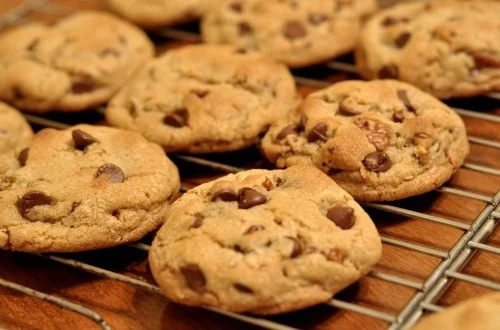
The chocolate chip cookie remains one of the most enduring icons of global confectionery, serving as a staple in both domestic kitchens and high-end patisseries. While the basic recipe—a mixture of flour, sugar, butter, and chocolate—is deceptively simple, the pursuit of the "perfect" cookie has become a subject of intense culinary scrutiny. Recently, professional baker Villy Vovnyar, the creator behind the prominent TikTok account @cutie.goods, has garnered significant attention for her specialized approach to this classic dessert. Her insights, which have reached over 410,000 viewers, highlight a growing trend in the culinary world: the application of professional-grade techniques to home baking environments. By focusing on ingredient quality, chemical reactions during the heating process, and the importance of dough maturation, Vovnyar’s methods provide a blueprint for transforming a standard snack into a sophisticated culinary experience.
The Evolution of the Chocolate Component
One of the primary tenets of Vovnyar’s methodology involves a departure from the convenience of pre-packaged chocolate chips. In the professional baking sphere, the choice of chocolate is considered the most critical variable in determining the final flavor profile and texture of the cookie. Vovnyar advocates for the use of high-quality chocolate bars, manually chopped into irregular pieces, rather than using uniform, store-bought "chunks" or chips. This approach is rooted in both economic and functional logic. From a cost perspective, purchasing bulk chocolate bars often provides a higher quality of cocoa for a lower price per ounce compared to specialized baking chips, which frequently contain stabilizers and lower cocoa butter content to help them maintain their shape under high heat.
Functionally, hand-chopping chocolate creates a variety of sizes, ranging from large pools of melted chocolate to fine "chocolate dust" that permeates the entire dough. This creates a multi-dimensional tasting experience. Furthermore, Vovnyar suggests a strategic blending of chocolate types. By combining milk chocolate, dark chocolate, and semi-sweet varieties, bakers can achieve a balanced flavor profile that hits different notes on the palate—the creaminess of milk chocolate, the bitterness of dark chocolate, and the classic sweetness of semi-sweet chocolate. This layering of flavors is a hallmark of artisanal baking, moving away from the one-dimensional sweetness found in mass-produced cookies.
The Chemistry of Brown Butter and Flavor Development
A central pillar of the elevated chocolate chip cookie is the use of "brown butter," or beurre noisette. Vovnyar emphasizes that this step is essential for achieving a deep, complex flavor. The process of browning butter involves melting unsalted butter over low heat until the water content evaporates and the milk solids begin to toast. This is a manifestation of the Maillard reaction—a chemical reaction between amino acids and reducing sugars that gives browned food its distinctive, savory, and nutty flavor.
According to Vovnyar, brown butter not only enhances the aromatic profile of the cookie, providing notes of toasted hazelnuts and caramel, but also affects the texture. Because the water has been cooked out of the butter, the resulting cookie often has a chewier, denser crumb. In her specific technique, Vovnyar introduces an unconventional step: adding milk and the hot brown butter directly into the dough mixture. While she cautions that this requires careful handling to avoid splattering or "bubbling," the introduction of warm fats can help dissolve sugars more effectively, leading to a smoother dough and a more uniform bake. This technique challenges the traditional "creaming method," where cold or room-temperature butter is beaten with sugar to incorporate air, suggesting instead that a denser, more fudge-like interior is the desirable outcome for a premium cookie.
The Role of Dough Hydration and Resting Periods
In the fast-paced world of social media cooking, the concept of "waiting" is often overlooked. However, Vovnyar identifies the resting period as a non-negotiable step in the baking process. She recommends that once the dough is formed, it should be covered with cling film and allowed to sit at room temperature for at least thirty minutes before baking. In more advanced professional circles, this resting period (often conducted in a refrigerator) can last anywhere from 24 to 72 hours.
The science behind this "rest" involves the hydration of the flour. During this period, the starches in the flour fully absorb the liquid components of the dough (the eggs and the remaining water in the butter). This leads to a more cohesive dough that spreads less in the oven, resulting in a thicker cookie. More importantly, the resting period allows enzymes in the flour to begin breaking down large carbohydrates into simple sugars. This enzymatic activity deepens the color of the cookie during baking and significantly enhances the flavor of the dough itself, making it taste more like butterscotch or toffee rather than just raw flour and sugar. Vovnyar’s 30-minute recommendation serves as an accessible "middle ground" for home bakers, providing a noticeable improvement in quality without the long lead time required by professional aging.
Contextualizing the Home Baking Trend
The popularity of Vovnyar’s tips reflects a broader shift in consumer behavior that began during the global lockdowns of 2020. During this period, the "home baking" sector saw unprecedented growth. According to market research data, sales of baking ingredients such as flour and yeast spiked by over 400% in some regions during the initial phases of the pandemic. As consumers spent more time in their kitchens, their interests shifted from simple box mixes to "scratch" baking and professional techniques.
This "professionalization" of the home kitchen has been fueled by platforms like TikTok and Instagram, where creators like Vovnyar bridge the gap between culinary school and the average consumer. The "FoodTok" subculture has turned baking into a form of digital entertainment, where the visual appeal of a "perfect" cookie—characterized by rippled edges, a gooey center, and a dusting of sea salt—drives massive engagement. The fact that Vovnyar’s video reached nearly half a million views is indicative of a market that is no longer satisfied with mediocre results and is actively seeking scientific and technical justifications for their cooking methods.
Market Analysis and Consumer Implications
The shift toward high-quality, artisanal ingredients at home has significant implications for the food industry. There is an increasing demand for "premiumized" baking staples. Consumers are now more likely to seek out European-style butters with higher fat content, organic flours, and single-origin chocolates. This trend has forced major grocery retailers to expand their "specialty" aisles to accommodate a more educated consumer base.
Furthermore, the rise of the "prosumer" baker—an amateur who uses professional tools and techniques—has created a robust market for high-end kitchen appliances. Sales of stand mixers, kitchen scales (as professional recipes favor weight over volume), and silicone baking mats have seen steady year-over-year increases. Vovnyar’s advice to "buy a chocolate bar and chop it yourself" also speaks to a growing skepticism of highly processed food additives. By controlling the size and quality of the chocolate, the baker regains autonomy over the ingredient list, a priority for the modern, health-conscious, and quality-driven consumer.
Responses from the Culinary Community
The techniques shared by Vovnyar are largely supported by the broader professional pastry community. While some traditionalists might argue over the specific temperature at which the butter should be added to the dough, the core principles of using brown butter and allowing for dough hydration are considered industry standards. Pastry chefs often note that the "secret" to professional-grade baked goods is rarely a hidden ingredient, but rather the precise execution of foundational techniques.
Industry experts have reacted positively to the democratization of these techniques. By explaining the "why" behind the "how," creators like Vovnyar are raising the collective culinary literacy of the public. This, in turn, creates a more discerning customer base for professional bakeries. When consumers understand the effort and science required to make a truly exceptional cookie, they are often more willing to pay a premium price for artisanal products at local bakeries.
Conclusion and Broader Impact
The methodology presented by Villy Vovnyar represents more than just a set of "kitchen hacks"; it is a distillation of culinary science tailored for the modern age. By emphasizing the importance of ingredient integrity, the chemical complexity of the Maillard reaction through brown butter, and the physiological necessity of dough resting, she provides a framework for excellence in a category of food that is often dismissed as simple.
As home baking continues to evolve, the line between the professional laboratory and the domestic kitchen will likely continue to blur. The implications of this shift extend beyond the oven, influencing grocery trends, digital media consumption, and the economic landscape of the food and beverage industry. Ultimately, the pursuit of the perfect chocolate chip cookie serves as a microcosm of a larger cultural movement toward mindfulness, quality, and the mastery of craft in everyday life. Through the application of these professional tips, the humble cookie is elevated from a mere sugary treat to a sophisticated expression of culinary art.
