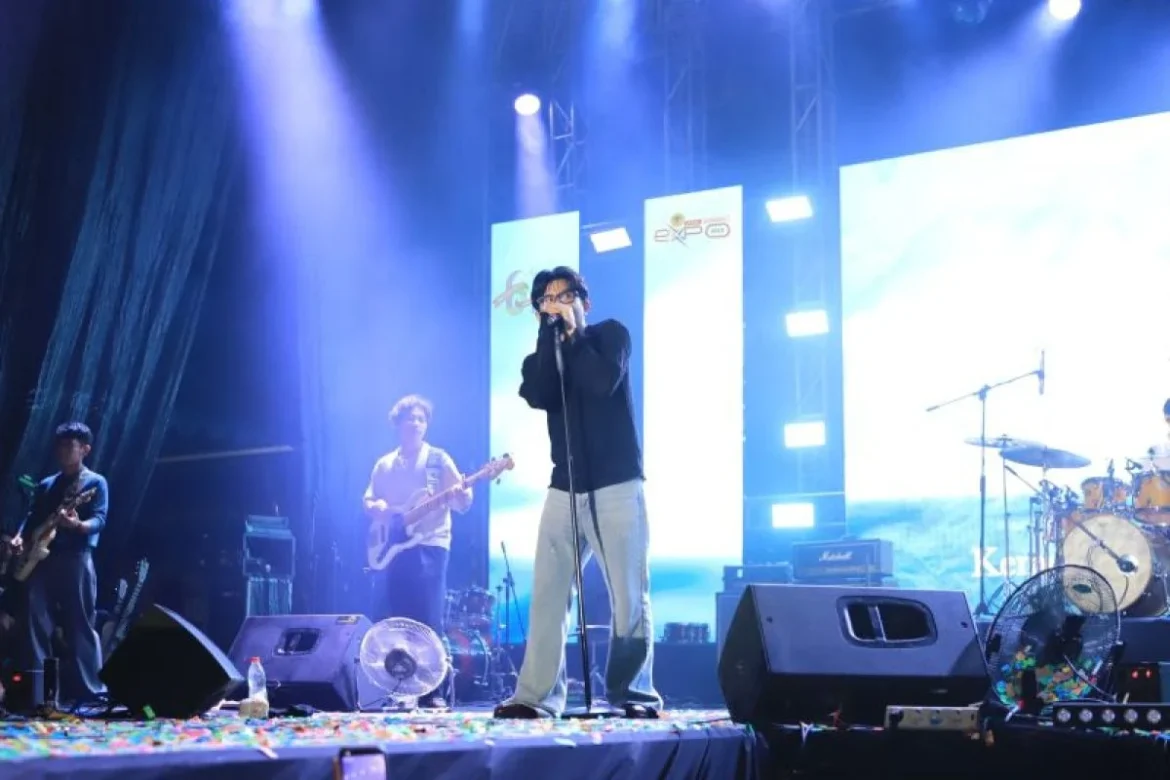
The music industry in Indonesia has been set abuzz following the high-profile cancellation of a scheduled performance by the popular Bandung-based band, Juicy Luicy, at a music festival in Batam. The incident, which occurred in early September 2026, has ignited a wider conversation regarding the complexities of artist management, event production standards, and the operational hurdles that often occur behind the scenes of major music festivals. The band, known for its melodic storytelling and dominant presence in the Indonesian pop scene, found itself at the center of a public relations storm after lead vocalist Julian Kaisar—famously known as Uan—publicly addressed the grievances that led to the band’s refusal to take the stage.
The Chronology of the Batam Incident
The controversy reached a fever pitch on September 12, 2026, when reports surfaced regarding the band’s abrupt cancellation. According to statements provided by Uan Kaisar, the decision was not made lightly but was the result of a series of logistical failures that rendered the performance impossible. The band cited significant lapses in contractual obligations by the festival organizers, specifically concerning accommodation and travel logistics.
Uan Kaisar, in a candid response to the public discourse, expressed his frustration regarding the state of the festival’s management. He pointed to two primary failures: the inadequate provision of hotel accommodations, which were reportedly secured for only a single day, and the failure to settle airline baggage fees despite the band’s assertions that these costs had been settled or were the responsibility of the event organizers under the existing contract. For a touring act of Juicy Luicy’s magnitude, such failures represent a breach of professional standards that compromises the safety and feasibility of a performance. The blunt nature of Uan’s comments—which criticized the organizers’ competence—underscored the breakdown in communication between the artist and the event management team.
From Independent Roots to Mainstream Success
The current scrutiny surrounding the band has prompted both fans and industry observers to reflect on the long-standing career of the group. Juicy Luicy was established on April 4, 2010, in Bandung, a city widely recognized as a creative hub for Indonesia’s independent music scene. Founded by Denis Ligia and Julian Kaisar, the group initially functioned as a modest creative project, slowly refining its sound and identity within the competitive landscape of the early 2010s.
Over the span of sixteen years, the band underwent several transformations in its personnel and musical direction. The current lineup, which solidified the group’s signature sound, features Julian Kaisar on vocals, supported by Denis Ligia, Zam Zam Y.M, Gilang Kurniawan, and Dwi Nugroho. Before achieving the commercial heights they occupy today, the band spent years operating independently, fostering a loyal grassroots following through live performances and digital distribution. It was not until 2015 that the band transitioned to a major label, a move that provided the resources necessary to reach a national audience.
A Discography Defined by Emotional Resonance
Juicy Luicy’s ascent in the Indonesian music market is largely attributed to their uncanny ability to capture the complexities of modern relationships. Their lyrical themes, which frequently explore the nuances of heartbreak, unrequited love, and the melancholic reality of moving on, have resonated deeply with the Indonesian public.
The band’s breakout moment arrived in 2018 with the release of the single "Tanpa Tergesa," a track that effectively signaled their arrival as a major player in the pop landscape. This was followed by the 2020 anthem "Lantas," which became a cultural phenomenon. "Lantas" was particularly significant, as it broke industry records by making Juicy Luicy the first Indonesian band to surpass 100 million streams on Spotify, a milestone that solidified their status as a streaming powerhouse.
Their prolific output has continued unabated, with tracks like "Sayangnya," "Tampar," "Sialan," "Tak di Tanganku," "Asing," and "HAHAHA" consistently topping national charts. By collaborating with diverse artists such as Adrian Khalif and Mawar de Jongh, the band has managed to maintain a fresh sound while remaining true to the emotional, acoustic-driven aesthetic that defines their brand.
Data-Driven Dominance and Industry Standing
The statistical evidence of Juicy Luicy’s influence is substantial. During the 2024 Spotify Wrapped event, the band was officially recognized as the "Indonesia Top Group of 2024." This recognition was bolstered by the overwhelming success of their track "Sialan," which accumulated approximately 11 million listeners, proving that their ability to connect with audiences remains at an all-time high.
This data highlights a critical aspect of their career: the transition from a local Bandung band to a national institution. Their dominance in the streaming era has allowed them to command significant fees and perform at the country’s most prestigious festivals. Consequently, when an incident like the Batam cancellation occurs, it is not merely viewed as a minor misunderstanding, but as a significant disruption to the established ecosystem of high-level event production.
Operational Implications and Professional Standards
The friction between Juicy Luicy and the festival organizers serves as a case study for the professional risks inherent in the live event industry. In professional artist management, "riders"—the documents outlining the technical and hospitality requirements of an artist—are legally binding. Failure to provide adequate, pre-negotiated support (such as hotel rooms or logistics for musical equipment) constitutes a material breach of contract.
Industry analysts note that while artists are often criticized for canceling shows, the burden of ensuring a safe and functional environment rests with the promoter. In this instance, the band’s refusal to perform may have been a protective measure to ensure the quality of their show and the well-being of their touring crew. The public nature of the dispute also suggests a growing trend where artists are increasingly willing to hold event organizers accountable in the public square, prioritizing their professional integrity over the fear of potential backlash.
The Broader Impact on the Festival Landscape
The incident in Batam has sparked a broader conversation about the accountability of music festival organizers in Indonesia. With the surge in live music events post-pandemic, the demand for experienced event management has outpaced the supply of qualified production teams. This disparity often leads to logistical oversights that impact the artists, the fans who have purchased tickets, and the reputation of the venue.
For fans, the disappointment of a cancellation is palpable. However, the discourse surrounding the Juicy Luicy incident has shifted, with a notable segment of the public defending the band’s decision. This shift suggests that listeners are becoming more aware of the labor and logistics required to put on a concert, moving away from a culture that demands performance at any cost to one that values the professional treatment of musicians.
Future Outlook
As Juicy Luicy moves past this incident, their standing as one of Indonesia’s most beloved groups remains largely intact. Their success is built on a foundation of authentic storytelling that transcends the logistical hurdles of the industry. The controversy, while unfortunate, has provided a moment of transparency for the band, allowing them to communicate directly with their audience about the realities of their work.
Moving forward, the band is expected to continue their touring schedule, though the Batam event will likely serve as a cautionary tale for organizers. As the Indonesian music scene continues to evolve, the expectation for professional, seamless, and respectful collaboration between promoters and artists will only increase. For a band that has spent over a decade building a legacy from the ground up, the priority remains the delivery of their music to a public that has made them the soundtrack to their own experiences of love and loss. The incident, while disruptive, underscores the necessity of professional excellence in an industry that relies on the harmony between the stage and the people who make the performance possible.