
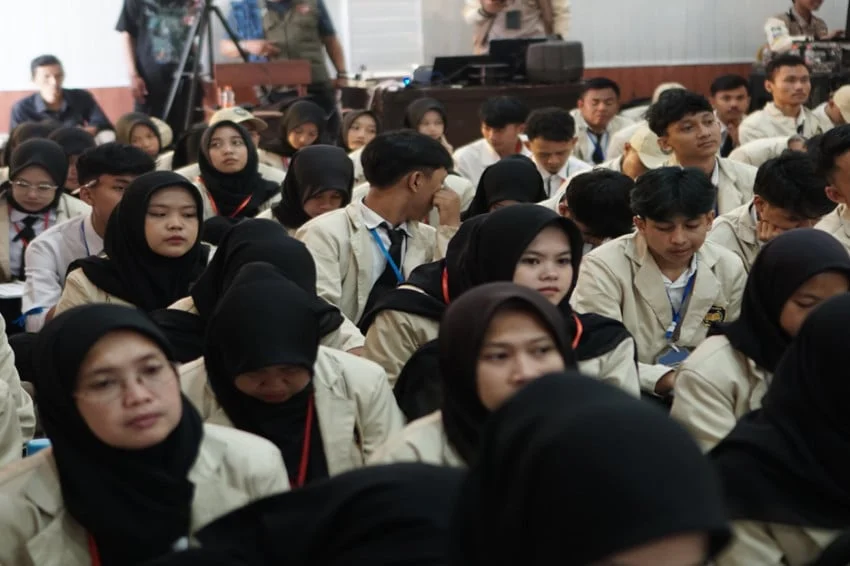
Politeknik Bhakti Kencana officially inaugurated its new Vocational Training Center (LPK) and a suite of specialized health-related services in Cianjur on Monday, September 14, 2026. This significant milestone in the institution’s history marks a deliberate pivot toward bridging the widening gap between academic curriculum and the pragmatic requirements of the modern labor market. The inauguration ceremony, presided over by Prof. Sugeng Heri Suseno, the Director General of Manpower Placement Development and Expansion of Work Opportunities (Binapenta and PKK) at the Ministry of Manpower (Kemnaker), signifies a strategic alignment with national efforts to professionalize the caregiving sector in Indonesia.
The newly established facilities include four distinct, specialized service pillars: Politeknik Bhakti Kencana Caregiver, Politeknik Bhakti Kencana Homecare, Politeknik Bhakti Kencana Day Care, and Politeknik Bhakti Kencana Baby Care. These units are designed not only to serve the local community’s healthcare needs but also to function as immersive training grounds where students can acquire industry-standard certifications before entering the competitive workforce.
The Strategic Imperative for Vocational Reform
The establishment of this LPK comes at a critical juncture for Indonesia’s vocational education landscape. For years, the "link and match" policy has been the cornerstone of the government’s attempt to harmonize university outputs with industry demands. By embedding an LPK directly within the campus infrastructure, Politeknik Bhakti Kencana is moving beyond theoretical instruction to provide a sandbox environment for professional development.
In the context of the global "silver economy"—the demographic shift toward an aging population—the demand for professional caregivers has surged. Indonesia, with its vast youth population, is uniquely positioned to become a major exporter of skilled caregiving labor. However, this potential can only be realized through standardized, internationally recognized training programs. The move by Politeknik Bhakti Kencana is a direct response to this global trend, ensuring that graduates are not merely academic degree holders, but are equipped with the technical proficiency required in hospitals, geriatric centers, and private residences.
Chronology of the Integration Process
The development of this ecosystem was not an overnight endeavor. According to institutional records, the planning phase for these facilities began in early 2025, driven by a comprehensive analysis of the local employment landscape in West Java.
- Q1 2025: Initial feasibility studies conducted by the administration of Politeknik Bhakti Kencana regarding the rising demand for home-based care services in the Cianjur region.
- Q3 2025: Partnership negotiations initiated with the Ministry of Manpower to ensure the LPK curriculum aligns with the National Professional Certification Body (BNSP) standards.
- Q1 2026: Facility construction and curriculum development for the four service pillars commenced.
- September 14, 2026: Official ribbon-cutting ceremony and formal integration of the LPK into the broader university structure.
- September 16, 2026: Public announcement regarding the wider availability of training programs for non-student community members, marking the official start of the center’s outreach mission.
Addressing the Skills Gap: Data and Analysis
The labor market in Indonesia has long faced a structural challenge: the mismatch between the skills taught in higher education and the specific, fast-evolving needs of the industrial sector. According to recent labor market projections, the healthcare and service industries are among the fastest-growing sectors in the country, yet they face a chronic shortage of certified personnel.
Data from the Ministry of Manpower indicates that vocational graduates who undergo additional competency-based training—such as those provided by LPKs—have an employability rate approximately 30% higher than those who rely solely on their formal degrees. By incorporating "Baby Care" and "Homecare" into the curriculum, the institution is tapping into the professionalization of the domestic service sector, a market that has historically been informal and unregulated.
The LPK serves as a formal bridge, ensuring that students engage in rigorous, supervised practice. This hands-on approach mitigates the common "onboarding shock" experienced by graduates when they transition from the classroom to a professional clinical or residential setting.
Official Perspectives and Institutional Commitment
During the inauguration, Prof. Sugeng Heri Suseno emphasized the vital role of the private sector and higher education institutions in supporting the government’s workforce development goals. He noted that the Ministry of Manpower views this initiative as a model for other polytechnics to emulate.
"The objective is not just to produce graduates with diplomas, but to produce graduates who are ready to hit the ground running," said a spokesperson for the institution during the follow-up briefing on Wednesday, September 16, 2026. "The LPK acts as an incubator. We are creating a pipeline where our students, through their practice in our Caregiver and Homecare units, become the very professionals that society and the healthcare industry desperately need."
The administration further clarified that the center is not restricted to the student body. The facility is mandated to open its doors to the broader community, providing vocational training for those looking to pivot their careers or enhance their existing skills in the healthcare service sector. This democratization of professional training is seen as a key driver for regional economic growth, providing a path toward sustainable, skill-based employment for the residents of Cianjur and its surrounding areas.
The Broader Implications for Indonesian Education
The success of the Politeknik Bhakti Kencana model could have far-reaching implications for the national education system. If successful, this integration of a professional training center with a higher education institution offers a blueprint for reducing unemployment rates among vocational graduates.
Key impacts of this initiative include:
- Standardization of Caregiving: By establishing a formal LPK, the institution brings professional standards to a sector that has long lacked universal benchmarks in Indonesia.
- Increased Marketability of Graduates: Students gain "micro-credentials" alongside their degrees, making them more attractive to both domestic and international employers.
- Community Empowerment: By offering training to the public, the polytechnic becomes a hub for lifelong learning, contributing to the socioeconomic development of the region.
- Industry-Relevant Curriculum: The feedback loop between the LPK’s service units and the academic faculty ensures that the curriculum remains dynamic and responsive to real-world shifts in healthcare technology and service protocols.
Moving Forward: A Sustainable Ecosystem
Looking toward the future, Politeknik Bhakti Kencana aims to expand its partnerships with hospitals, health clinics, and international staffing agencies. The ambition is to create a seamless transition path where students can move from the campus training center to local clinical placements, and eventually to long-term career positions.
The synergy between the academic environment and the service-delivery units (Homecare, Day Care, etc.) allows for a unique model of "Applied Research." Students are encouraged to document their experiences and observations in these units, providing the institution with valuable data on current healthcare trends, which in turn informs future academic research and policy advocacy.
As Indonesia continues to invest in its human capital, initiatives like the one inaugurated in Cianjur demonstrate a shift toward a more proactive, result-oriented educational paradigm. The institution is not merely teaching the theory of care; it is building the infrastructure of care. By fostering a culture of continuous improvement and practical application, Politeknik Bhakti Kencana is positioning itself as a vital player in the future of the Indonesian vocational landscape, ensuring that its graduates are not just ready for the world of work, but are the ones driving it forward.
The project remains a testament to the effectiveness of public-private cooperation. With the support of the Ministry of Manpower, the university has successfully translated the national vision of vocational excellence into a tangible, functioning, and community-integrated operation that promises to uplift the standard of the caregiving profession for years to come.
