
Mount Olympus, Greece, the legendary home of the gods in ancient Greek mythology, has been officially nominated for inclusion on the UNESCO World Heritage List. This significant nomination marks a crucial step in recognizing the mountain’s unparalleled cultural, historical, and natural value. The process, initiated in 2014, has seen Mount Olympus placed on UNESCO’s Tentative List, a prerequisite for any site aspiring to gain World Heritage status. This designation acknowledges the mountain’s exceptional universal value and sets the stage for a comprehensive evaluation.
The nomination dossier, a culmination of years of meticulous research and data collection, highlights the multifaceted significance of Mount Olympus. It encompasses not only its profound mythological importance but also its rich archaeological heritage, diverse ecosystems, and unique cultural landscape. The Greek government has expressed strong optimism that the mountain’s unique blend of myth, history, and biodiversity will resonate with the UNESCO World Heritage Committee.
A Mountain Steeped in Myth and Spirituality
Mount Olympus, the highest mountain range in Greece, has held a place of reverence in human consciousness for millennia. In ancient Greek mythology, it was depicted as the celestial dwelling of the twelve Olympian gods, with Zeus, king of the gods, presiding from his magnificent palace atop its highest peaks. This mythological association has imbued Olympus with an aura of divine power and sacredness that continues to captivate visitors and scholars alike.
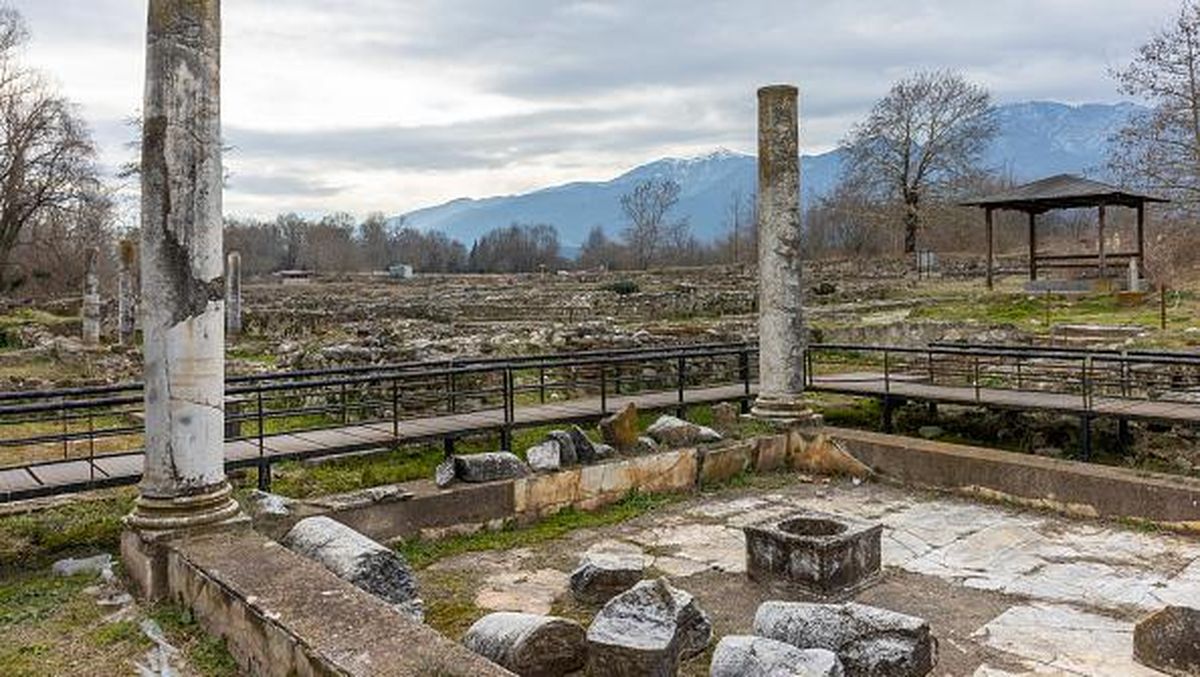
The archaeological evidence at the foot of Mount Olympus further underscores its historical importance. The ancient city of Dion, located near the mountain’s base, was a significant religious center dedicated to Zeus and the Muses. Excavations at Dion have unearthed a wealth of artifacts, including temples, theaters, and sanctuaries, offering tangible links to the ancient rituals and daily life associated with the mountain’s veneration. The Hellenistic period (323 BC – 30 BC) is particularly well-represented, with evidence of open-air sanctuaries on the lower slopes, used for offerings to Zeus. Historical texts, such as those by the ancient philosopher and historian Plutarch in the 2nd century AD, document processions to the mountain’s summits for animal sacrifices to Zeus, illustrating the enduring religious practices.
Beyond its classical pagan heritage, Mount Olympus also bears witness to centuries of Christian influence. The chapel of Prophet Elias, perched at an altitude of 2,803 meters, is believed to be the highest chapel in the Orthodox Christian world. Its remote location and spiritual significance draw pilgrims and hikers seeking a connection with their faith amidst breathtaking scenery. Further down, the Enipeas Gorge cradles the ruins of a monastery founded in 1542, a testament to the enduring monastic traditions in the region. Nearby lies the Holy Cave of Saint Dionysios, a chapel centered around a spring considered sacred, further intertwining spiritual narratives with the natural landscape.
A Biodiversity Hotspot of Global Significance
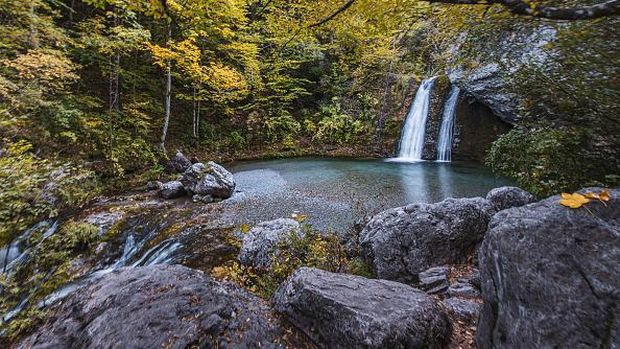
While its mythological and historical dimensions are widely recognized, Mount Olympus also boasts an extraordinary natural heritage. As a national park, it is a sanctuary for a remarkable array of flora and fauna, including numerous endemic species. The diverse altitudinal range, from the coastal plains to the snow-capped summits, creates a mosaic of habitats that support a rich tapestry of life.
Botanists have identified over 1,700 species of plants on Mount Olympus, a staggering number for a single mountain range. This includes rare and protected species, many of which are found nowhere else on Earth. The mountain’s unique geological formations and microclimates have fostered the evolution of these specialized plant communities. The fauna is equally impressive, with populations of chamois, wild boar, eagles, and various species of reptiles and amphibians thriving in its protected environments. The rich biodiversity is a crucial element of the nomination, emphasizing the mountain’s role as a vital natural heritage site.
The Greek government’s commitment to preserving this natural wealth is evident in its designation of Mount Olympus as a National Park and a World Biosphere Reserve. These designations reflect an understanding of the mountain’s ecological importance and the need for its conservation for future generations. The successful inscription on the UNESCO World Heritage List would further bolster these conservation efforts, attracting global attention and resources.
The Nomination Process: A Journey Towards Recognition
The path to UNESCO World Heritage status is a rigorous and multi-stage process. Mount Olympus’s journey began in 2014 when it was added to Greece’s Tentative List. This initial step signifies the national government’s intention to nominate the site and allows for preliminary assessments.
Following the Tentative List inclusion, a comprehensive nomination dossier must be prepared. This document details the site’s "Outstanding Universal Value" (OUV), supported by extensive evidence of its cultural and natural significance. The dossier must demonstrate how the site meets at least one of the ten selection criteria established by UNESCO. For Mount Olympus, it is anticipated that it will qualify under multiple criteria, including its exceptional testimony to a living or lost cultural tradition, its outstanding example of a type of building, architectural ensemble or landscape, and its outstanding example representing significant ongoing ecological and biological processes.
Once submitted, the nomination dossier undergoes a thorough evaluation by advisory bodies, primarily the International Council on Monuments and Sites (ICOMOS) for cultural heritage and the International Union for Conservation of Nature (IUCN) for natural heritage. These organizations conduct independent assessments, often involving site visits by experts, to verify the claims made in the nomination. The evaluation process typically spans 14 months, ensuring a meticulous review of all submitted information.
The International World Heritage Committee then makes the final decision on whether to inscribe a site on the World Heritage List. This decision is based on the recommendations of the advisory bodies. The committee meets annually, with its sessions attended by representatives from all State Parties to the World Heritage Convention.
Anticipation and Challenges Ahead
The upcoming meeting of the World Heritage Committee in Busan, South Korea, scheduled for July 29th, is a focal point for the Mount Olympus nomination. The committee’s agenda will include a review of the nominations submitted for inscription. While optimism is high within Greece, the process is not without its challenges.
Reports from the drafting of the Busan meeting agenda indicate that the committee may opt to "return" the nomination to Greece, requesting further detailed information. This is not uncommon in the UNESCO nomination process, often signifying that while the site has clear merit, additional data or clarification is needed to fully satisfy the stringent criteria. Such a request would not necessarily be a rejection but rather a directive for further refinement of the submission.
Evagelos Geroliolios, the mayor of Dion-Olympus, articulated the deep connection his community has with the mountain. "Olympus is our life," he stated, as reported by AP. "It is where we grew up. It is the place we see every day, but at the same time, it is also a place that carries with it myths, history, biodiversity, incredible beauty, and immense cultural weight." This sentiment underscores the local pride and the profound sense of stewardship felt by those living in the shadow of this iconic mountain.
Broader Implications and the Future of Mount Olympus
The potential inscription of Mount Olympus on the UNESCO World Heritage List carries significant implications beyond mere prestige. World Heritage status often leads to increased international recognition, attracting a greater number of tourists and researchers. This influx can provide economic benefits through tourism development, job creation, and increased investment in local infrastructure.
However, it also brings a heightened responsibility for conservation. The UNESCO designation comes with obligations for State Parties to protect and manage the inscribed site according to international standards. This may require stricter environmental regulations, enhanced visitor management strategies, and ongoing monitoring to ensure the long-term preservation of both its natural and cultural attributes.
The Greek government’s proactive approach in nominating Mount Olympus demonstrates a commitment to safeguarding its unique heritage. The blend of myth, history, and unparalleled biodiversity presents a compelling case for its inclusion. As the World Heritage Committee convenes in Busan, the global community will be watching with keen interest, anticipating the decision that could elevate Mount Olympus to its rightful place among the world’s most treasured sites. The outcome will not only be a victory for Greece but also a recognition of the universal value of this extraordinary mountain, a place where the divine and the earthly have intertwined for millennia. The journey from myth to World Heritage site is a testament to the enduring power of nature and human history.
