
The domestic dog has evolved over tens of thousands of years to become uniquely attuned to human emotion, communication, and domestic life. Determining whether a canine companion is truly happy and content in a shared household requires looking beyond basic needs like food and shelter, examining instead the subtle nuances of canine body language, daily habits, and physiological responses. While dogs do not process love and affection in the exact psychological framework of humans, scientific research increasingly demonstrates that positive interactions between humans and dogs trigger tangible neurochemical responses. Hormones such as oxytocin—often referred to as the bonding hormone—and dopamine, which governs the brain’s reward and pleasure centers, play critical roles in cementing this interspecies relationship. For pet owners seeking to evaluate the emotional well-being of their animals, veterinary behaviorists and animal science experts highlight several definitive physical cues and behavioral patterns that indicate a dog feels secure, loved, and deeply happy living in its home environment.
The Evolutionary History and Scientific Basis of the Human-Canine Bond
To fully understand why dogs display affection and contentment in specific ways, one must examine the evolutionary timeline of Canis lupus familiaris. Domestication began anywhere from 15,000 to over 30,000 years ago, driven by a mutual adaptation between hunter-gatherers and ancestral canids. Over millennia, selective pressures favored dogs that could read human social cues, gaze into human eyes, and integrate seamlessly into human social structures.
Modern behavioral science has quantified these historical bonds. Seminal studies conducted by institutions such as Azabu University in Japan have revealed that mutual gazing between a dog and its owner triggers a loop of oxytocin release in both species, mimicking the neurochemical feedback loop observed between human mothers and their infants. This biological mechanism explains why domesticated dogs have developed complex communicative repertoires that wolves and wild canids typically reserve for their own pack members. Consequently, everyday behaviors that owners often write off as mere quirks are actually sophisticated expressions of trust, emotional regulation, and deep-seated social attachment.
Tail Wagging as an Indicator of Positive Emotional State
The tail is perhaps the most universally recognized barometric indicator of a dog’s emotional state, yet it is frequently misinterpreted by the general public. According to guidelines established by veterinary health organizations such as PetMD, tail movement must be evaluated in conjunction with overall body posture. A tail that is held slightly aloft and wags in a moderate, rhythmic fashion typically signals contentment and a relaxed state of mind, particularly when the dog is greeting a familiar human family member.
Conversely, a high, rigid, or excessively fast tail wag can indicate high arousal, which may stem from anxiety, frustration, or defensive readiness rather than pure joy. When a dog experiences genuine happiness during an interaction with its owner, the movement often encompasses the entire rear half of the body—frequently described by trainers as a "helicopter" or "propeller" wag. This full-body engagement demonstrates an uninhibited release of positive energy and a complete absence of defensive tension.
Ocular Communication: The Significance of Soft Eye Contact

Eye contact in the animal kingdom is traditionally viewed as a sign of dominance, aggression, or a precursor to conflict. However, the domestic dog has subverted this evolutionary rule through its co-evolution with humans. Soft, relaxed eye contact initiated by a dog is a profound indicator of trust, affection, and emotional security.
When a dog looks at its owner with relaxed facial muscles, uncontracted pupils, and slow, deliberate blinks, it is actively engaging in the aforementioned oxytocin feedback loop. Animal behaviorists note that this soft gaze functions similarly to a human smile, fostering psychological safety. It signals that the animal perceives its human companion not merely as a provider of resources, but as a core attachment figure and a source of emotional stability within its environment.
Behavioral Manifestations: Enthusiastic Homecomings and Social Grooming
One of the most observable metrics of a strong human-animal bond is the intensity and nature of the greeting behavior exhibited when an owner returns home after an absence. Dogs are creatures of routine with a sophisticated perception of time, primarily mediated through scent degradation over the course of the day. When a primary attachment figure returns, a happy dog will typically display an array of high-energy behaviors, including rapid approaches, loose body wiggles, and vocalizations ranging from soft whines to enthusiastic barks. This reaction underscores that the owner’s presence holds significant positive value in the animal’s daily psychological landscape.
In addition to greetings, social licking—often referred to by owners as "kisses"—serves as an evolutionary leftover from puppyhood. Wild canids and domestic dogs alike use licking as a form of social appeasement, communication, and bonding with their mothers and pack mates. When a dog directs this behavior toward a human, it is often replicating an innate instinct to establish closeness and reinforce social harmony within the household pack.
Playfulness and Resource Sharing as Trust Markers
Play is a critical component of canine behavioral health, acting as an outlet for physical energy and a stress-relief mechanism. When a dog actively retrieves and brings its favorite toy to a human, it is demonstrating a high degree of trust and cooperative intent.
Animal behavior specialists emphasize that sharing prized possessions—such as a squeaky toy, a ball, or a chew bone—indicates that the dog does not view the human as a resource competitor. Instead, the dog is inviting collaborative engagement, treating the human as a preferred play partner. Refusing to guard resources in the presence of an owner is a direct behavioral corollary of deep-seated security and domestic harmony.
Facial Expressiveness and the ‘Puppy Dog Eyes’ Phenomenon
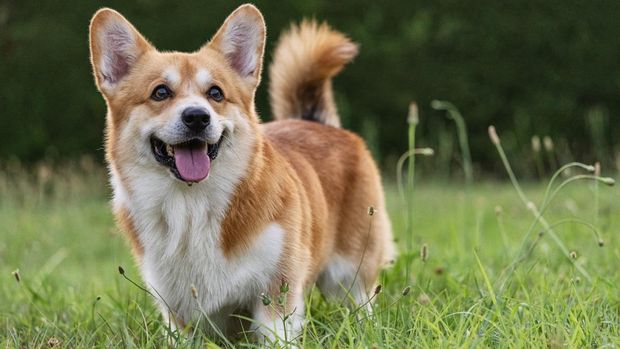
Recent anatomical studies published in behavioral journals indicate that dogs have evolved specific facial muscles—most notably the levator anguli oculi medialis—which allow them to raise their inner eyebrows significantly higher than their wolf ancestors. This anatomical adaptation creates wider, more expressive eyes that mirror human infant facial expressions.
Research shows that dogs dramatically increase the frequency of this eyebrow-raise movement when they are receiving direct attention from humans. This is not merely a manipulative tactic for treats, but an active, evolved communicative channel. A dog that readily deploys facial expressions in the presence of its owner is operating within a comfortable communication paradigm, signaling high cognitive engagement and a desire to maintain social connection.
Proximity-Seeking and the ‘Shadow’ Behavior
The tendency of a dog to follow its owner from room to room—often earning the affectionate moniker of a "velcro dog" or "shadow"—is another primary indicator of attachment. In evolutionary terms, staying close to the core protector and provider ensures safety and resource availability.
However, veterinary behaviorists draw a critical distinction between healthy proximity-seeking and pathological separation anxiety. A happy dog will follow its owner out of relaxed curiosity, companionship, and preference, but will remain capable of settling independently when the owner is resting or busy. Conversely, frantic pacing, continuous vocalization, and destructive chewing when left alone indicate underlying distress rather than simple affection, requiring targeted behavioral modification or environmental enrichment.
Implications for Animal Welfare and Responsible Pet Ownership
Recognizing and correctly interpreting these behavioral indicators carries significant implications for overall animal welfare. As pet ownership rates continue to rise globally, understanding the emotional lives of companion animals helps bridge the gap between human expectations and canine reality. Misinterpreting warning signs as positive behaviors—or failing to recognize signs of chronic stress disguised as compliance—can lead to behavioral deterioration and compromised psychological health in domestic dogs.
Veterinary professionals and animal welfare organizations continually stress that a happy dog is the product of predictable routines, positive reinforcement training, mental stimulation, and responsive caregiving. By paying close attention to tail mechanics, eye contact, play patterns, and daily habits, owners can accurately gauge their pets’ emotional equilibrium. Ultimately, acknowledging these behavioral cues allows for a more empathetic, scientifically grounded approach to pet husbandry, ensuring that the ancient alliance between humans and dogs continues to thrive on mutual understanding and shared well-being.