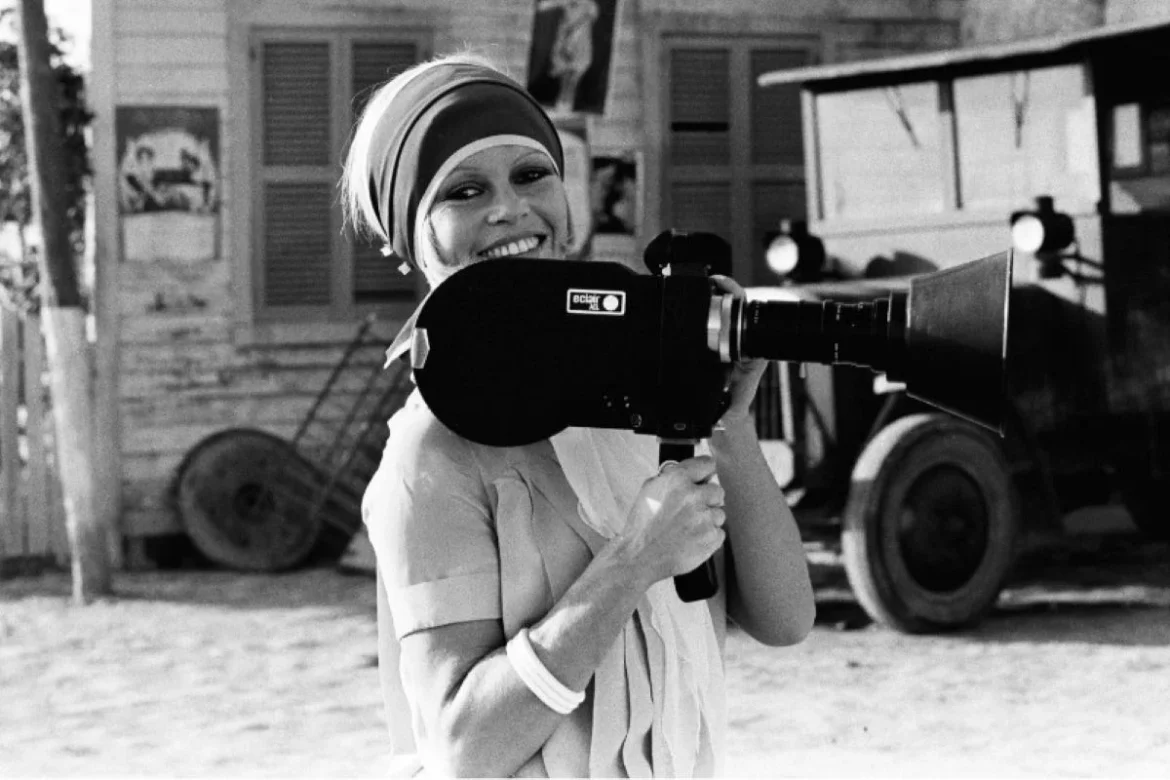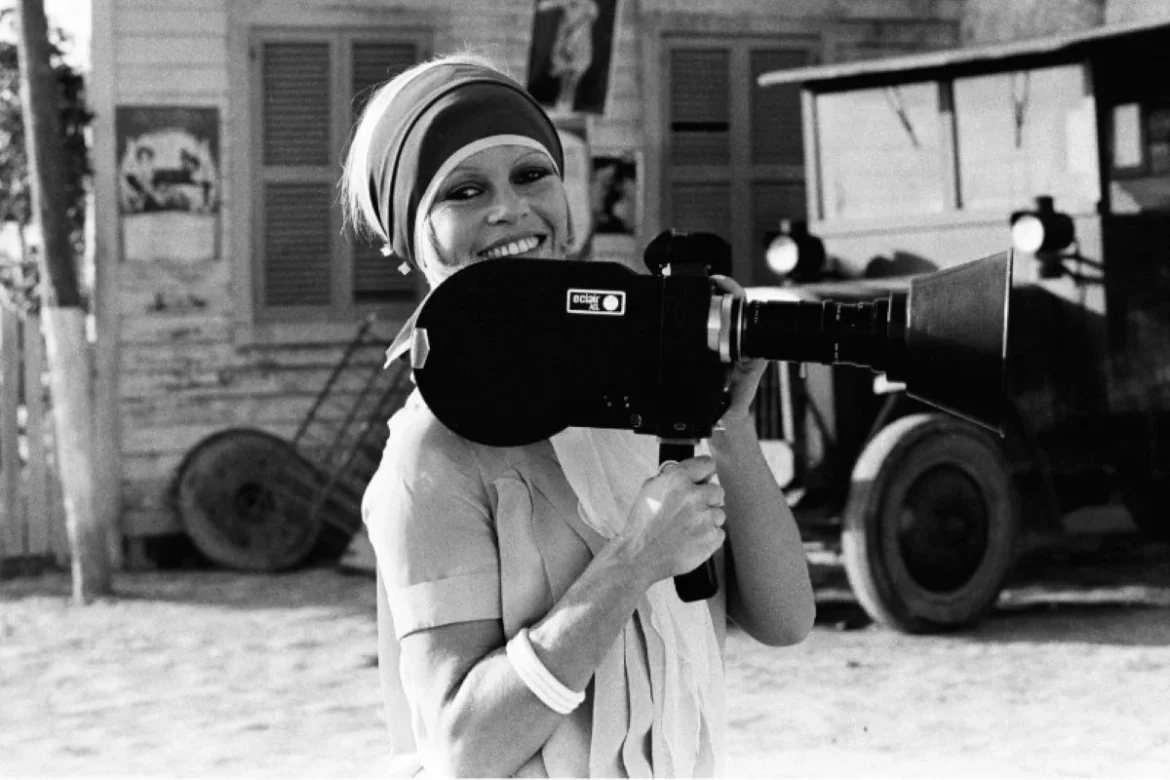
The world mourns the passing of Brigitte Bardot, the legendary French actress and fervent animal rights activist, who died peacefully at her home in La Madrague, Saint-Tropez, on Sunday, December 28. She was 91 years old. Her death marks the end of an extraordinary life that saw her rise from a dazzling international sex symbol to a reclusive, yet fiercely vocal, champion for animal welfare. Bardot, who had largely withdrawn from public life in recent months, had reportedly received medical treatment at a hospital in Toulon, southern France, before returning to her cherished coastal residence.
The news of her passing was officially confirmed by the Brigitte Bardot Foundation for the Welfare and Protection of Animals, the organization she founded and dedicated her life to. In a poignant statement, the foundation expressed profound sorrow at the loss of its visionary founder and president. "The Brigitte Bardot Foundation with deep sadness announces the passing of our founder and president, Madame Brigitte Bardot. She was a world-renowned actress and singer who chose to leave her brilliant career to devote her life and energy to the welfare of animals through her foundation," the statement read, highlighting her pivotal transition from screen idol to passionate advocate.
Bardot’s journey was one of remarkable transformation, etching her name into the annals of both cinematic history and social activism. She was not merely an actress; she was a cultural phenomenon, a symbol of evolving femininity and a relentless voice for the voiceless. Her life, marked by both adulation and controversy, left an indelible imprint on the 20th century, influencing fashion, film, and the global perception of animal rights.
The Genesis of a Star: Early Life and Artistic Awakening
Born Brigitte Anne-Marie Bardot in Paris, France, on September 28, 1934, she came from a conservative, bourgeois family. Her father, Louis Bardot, was an industrialist, and her mother, Anne-Marie Mucel, encouraged her artistic inclinations. From a young age, Bardot displayed a natural talent and passion for the arts, particularly dance and ballet. She enrolled at the Conservatoire de Paris at the age of 13, studying ballet for three years under the renowned Russian choreographer Boris Knyazev. Her disciplined training instilled in her a poise and grace that would later captivate audiences worldwide.
However, fate had a different stage in mind for the young Bardot. Her striking beauty and natural charisma quickly caught the eye of the fashion world. At just 15, she appeared as a model for the French fashion magazine Elle, an opportunity arranged by a family friend. This pivotal moment opened the doors to a world far removed from the strictures of classical ballet. Her fresh, unconventional look—a departure from the more polished aesthetics of the time—resonated deeply, marking her as a nascent style icon.
From Runway to Silver Screen: The Cinematic Ascent
Bardot’s foray into acting began in 1952 with a small role in the film Le Trou Normand (English Crazy for Love). It was during this period that she met Roger Vadim, a young screenwriter and assistant director, who would become her first husband and a crucial figure in shaping her early career. Vadim recognized her raw talent and magnetic screen presence, seeing beyond her limited acting experience. He encouraged her to embrace her natural sensuality and rebellious spirit, qualities that would soon define her public persona.
Her international breakthrough arrived with Vadim’s 1956 film, And God Created Woman. Bardot, then 22, starred as Juliette Hardy, a fiercely independent and sexually liberated young woman living in the sleepy fishing village of Saint-Tropez. The film, groundbreaking for its frank portrayal of female sexuality and featuring Bardot in daringly provocative scenes, ignited a firestorm of controversy. It was initially banned in some parts of the United States but quickly became a massive box office success, catapulting Bardot to global stardom. She became an instant icon, dubbed "B.B." by the press, symbolizing a new era of feminine freedom and sexual liberation.
The film’s impact was profound. Philosopher Simone de Beauvoir famously analyzed Bardot’s significance in her 1959 essay, "The Lolita Syndrome," later revised as "Brigitte Bardot and the Bardot Syndrome." De Beauvoir lauded Bardot as a "locomotive of women’s history," seeing her as an embodiment of "absolute freedom," challenging traditional notions of female subservience and modesty. Bardot’s character and image shattered societal norms, paving the way for a more open discussion about female autonomy and desire in post-war society.
Throughout her career, Bardot starred in over 40 films across various genres, solidifying her status as one of France’s most bankable stars and a global cinematic phenomenon. Her filmography includes a diverse range of roles that showcased her versatility:
- Le Trou Normand (Crazy for Love, 1952)
- Manina, la fille sans voiles (Manina, the Girl in the Bikini, 1952)
- Futures vedettes (Future Stars, 1955)
- Maison de campagne (The Light Across the Street, 1956)
- And God Created Woman (1956)
- Une Parisienne (A Parisian, 1957)
- En cas de malheur (Love Is My Profession, 1958)
- Babette s’en va-t-en guerre (Babette Goes to War, 1959)
- La Vérité (The Truth, 1960)
- Vie privée (A Very Private Life, 1962)
- Le Mépris (Contempt, 1963), directed by Jean-Luc Godard, considered one of her most iconic performances in a critically acclaimed art-house film.
- Viva Maria! (1965), a comedic adventure film where she co-starred with Jeanne Moreau, earning her a BAFTA nomination.
- Two Weeks in September (1967)
- Shalako (1968), a Western co-starring Sean Connery, which marked her attempt to conquer Hollywood.
- Les Femmes (The Women, 1969)
- Les Novices (The Novices, 1970)
- Don Juan 73 (1973), her final film role before retirement.
These films cemented her position not just as an actress but as a global style setter. Her signature look—tousled blonde hair, often styled in a voluminous beehive or a simple ponytail, a natural yet alluring makeup style, and her preference for certain clothing items—became instantly recognizable. The "Bardot neckline," a wide open neck design that exposes both shoulders, remains a fashion staple, synonymous with classic elegance and subtle sensuality. She popularized the bikini, making it a symbol of liberated summer fashion, and her personal style influenced generations of women, transcending trends to become a timeless expression of French chic.
The Unexpected Retreat: A New Calling
At the pinnacle of her fame, in 1973, just a few weeks shy of her 39th birthday, Brigitte Bardot made a startling announcement: she was retiring from acting. This decision, made at a time when she was still a highly sought-after star, shocked the entertainment world. She had grown increasingly disillusioned with the relentless demands of fame, the intrusive paparazzi, and what she perceived as the superficiality of the film industry. She yearned for a life of greater purpose and meaning, away from the spotlight that had defined her for two decades.
Her retirement was not a retreat into obscurity but a radical redirection of her formidable energy. Bardot chose to dedicate the remainder of her life to a cause that had long resonated with her: animal welfare. Her love for animals, cultivated since childhood, intensified as she witnessed what she considered widespread cruelty and indifference. She moved to her secluded estate, La Madrague, in Saint-Tropez, transforming it into a sanctuary for abandoned and abused animals.
The Unwavering Voice for Animals: Activism and Controversy
In 1986, Bardot formally established the Brigitte Bardot Foundation for the Welfare and Protection of Animals, pledging 3 million francs from the sale of her personal belongings, including jewelry and film memorabilia, to fund its initial operations. This act solidified her commitment, demonstrating that her activism was not a fleeting celebrity whim but a profound life mission.
Her foundation quickly became a powerful force in the animal rights movement, advocating for a wide range of issues. Bardot herself became a tireless campaigner, lending her voice and considerable influence to causes such as:
- Anti-Seal Hunting: She famously protested the annual Canadian seal hunt, traveling to Canada and engaging in direct confrontations with hunters, bringing global attention to the brutal practice.
- Opposition to Bullfighting: A staunch opponent of bullfighting, she tirelessly campaigned against the tradition, particularly in France, viewing it as an archaic and cruel spectacle.
- Against the Fur Trade: Bardot was a vocal critic of the fur industry, frequently condemning the use of animal fur in fashion and calling for its abolition.
- Animal Testing: She spoke out forcefully against vivisection and the use of animals in laboratory experiments, advocating for alternative research methods.
- Protection of Endangered Species: Her foundation actively worked to protect endangered species and their habitats, campaigning against illegal poaching and trade.
- Companion Animal Welfare: She championed the rights of domestic animals, advocating for responsible pet ownership, adoption, and an end to animal abandonment.
- Opposition to Exotic Animal Trade: Bardot frequently condemned the trade and exploitation of exotic animals for entertainment or personal ownership.
- Animals in Space: She was also famously outspoken against the use of animals in space exploration, highlighting the ethical concerns surrounding such practices.
Bardot’s activism was often characterized by her unapologetic directness and fierce passion. She utilized her celebrity status to gain media attention for animal causes, writing open letters to politicians, heads of state, and religious leaders. Her campaigns were often successful in raising public awareness and influencing policy, both in France and internationally.
However, her later years as an activist were also marked by significant controversy. Her outspoken nature sometimes veered into politically charged territory, particularly regarding immigration and Islam in France. She faced multiple convictions for inciting racial hatred after publishing comments critical of the Muslim community in her books and public statements. These controversial remarks, which some labeled as racist and xenophobic, severely tarnished her reputation for many, creating a complex and often contradictory public image. While her dedication to animal welfare remained unquestionable, these political stances led to a significant split in public opinion regarding her legacy.
Despite these controversies, her unwavering commitment to animals earned her significant recognition. In 1985, she was awarded the Legion of Honour (Légion d’honneur), France’s highest order of merit, for her cultural contributions and later for her humanitarian efforts, though she reportedly declined to attend the ceremony. For Bardot, her love for animals was not merely a cause but a profound spiritual connection, a path to what she considered the most free and meaningful existence.
A Complex Legacy: Icon, Activist, Provocateur
Brigitte Bardot leaves behind a multifaceted and often debated legacy. She was a woman of paradoxes: a shy individual who became a global sex symbol, a fashion icon who shunned glamour for activism, and a passionate advocate whose outspokenness sometimes led to condemnation.
In cinema, her impact is undeniable. She redefined female sensuality on screen, challenging the prudish conventions of her era and influencing generations of actresses. Her image as the quintessential French siren, with her distinctive allure and casual elegance, became an enduring archetype. She was a pioneer in using her public platform to shape cultural narratives around female liberation and self-expression.
As an animal rights activist, she was a transformative figure. Long before animal welfare became a mainstream concern, Bardot leveraged her immense fame to bring critical attention to the suffering of animals. Her foundation continues its vital work, a testament to her vision and enduring commitment. She effectively demonstrated how celebrity could be harnessed for philanthropic endeavors, inspiring countless others to join the cause.
Her life also serves as a potent reminder of the complexities inherent in public figures who attempt to navigate both artistic and social spheres. Her controversies, while undeniable, highlight the challenges of maintaining a pure public image when one is deeply committed to often contentious beliefs.
Bardot’s personal philosophy, often articulated through her writings and interviews, consistently emphasized her profound connection to the animal kingdom. She often stated that animals offered her an unconditional love and honesty that she rarely found in human society, a sentiment that fueled her lifelong dedication to their protection. She lived her final decades largely in seclusion at La Madrague, surrounded by her beloved animals, finding solace and purpose away from the human gaze that had once defined her.
Global Tributes and Enduring Memory
The news of Brigitte Bardot’s passing has evoked a wave of tributes and reflections from across France and around the world. French President Emmanuel Macron is expected to issue a statement acknowledging her immense contributions to French culture and her pioneering work in animal welfare. Cultural institutions, including the Cinémathèque Française and various film festivals, are likely to honor her with retrospectives and special screenings of her iconic films.
Animal rights organizations globally, including those directly inspired by her work, will undoubtedly mourn her loss and celebrate her unwavering advocacy. Her foundation will carry on her mission, serving as her most tangible and enduring legacy. Fashion houses and designers will recall her timeless influence, recognizing her role in shaping modern aesthetics.
Brigitte Bardot was more than just a celebrity; she was a cultural phenomenon who transcended her roles to become a symbol of an era. Her journey from the glamorous beaches of Saint-Tropez to the front lines of animal activism was a testament to her fierce independence and her unwavering conviction. While her legacy remains complex and open to interpretation, there is no denying the profound and lasting impact she made on cinema, fashion, and the global movement for animal welfare. Her name, "B.B.," will forever resonate as a legend of the 20th century, a woman who dared to live life on her own terms and, in doing so, changed the world around her.