
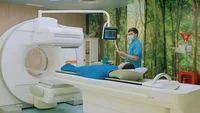
The detection and management of cancer metastasis remain among the most critical challenges in modern oncology. When malignancies such as breast and prostate cancers progress, the skeletal system is frequently a primary site for secondary tumor growth. Often, these early-stage skeletal migrations occur silently, presenting few or no distinct symptoms until significant structural degradation has already taken place. To address this clinical hurdle, advanced medical imaging technologies have evolved to provide unprecedented precision in evaluating bone health. Among these diagnostic innovations, Single-Photon Emission Computed Tomography combined with Computed Tomography (SPECT-CT) has emerged as a cornerstone in identifying, localizing, and characterizing bone metastasis. This sophisticated dual-modality imaging approach bridges the gap between functional metabolic activity and precise anatomical mapping, transforming how multidisciplinary medical teams approach cancer staging and individualized treatment planning.
Understanding the Mechanics and Clinical Value of SPECT-CT
To comprehend the significance of SPECT-CT in contemporary oncology, one must examine the limitations of traditional diagnostic tools. Standard X-rays and basic bone scans often lack the sensitivity or specificity required to differentiate between malignant lesions and benign degenerative bone changes. While a conventional bone scan can highlight areas of increased metabolic turnover, it frequently struggles to pinpoint the exact anatomical location or determine the true nature of the abnormality.
SPECT-CT solves this diagnostic dilemma by merging two distinct imaging technologies into a single examination. The SPECT component utilizes radiopharmaceuticals to capture functional and metabolic processes within the skeletal system, illuminating regions of abnormal cellular activity. Simultaneously, the CT component provides high-resolution cross-sectional anatomical imaging. When fused together, the resulting images allow physicians to evaluate not only where a lesion exists, but also its exact spatial relationship to surrounding blood vessels, joints, and neural pathways.
This comprehensive visualization yields critical clinical insights. Oncologists and nuclear medicine specialists can ascertain the exact boundaries of a lesion, measure the total area of bone involvement, and assess the structural integrity of the affected skeletal segments. Such detailed mapping is indispensable for predicting and mitigating severe skeletal-related events, commonly referred to in clinical practice as SREs.
Mitigating Severe Complications Associated with Bone Metastasis
When cancer cells metastasize to the bone, they disrupt the delicate balance of normal bone remodeling, often leading to osteolytic (bone-destroying) or osteoblastic (bone-building) lesions. This disruption compromises the structural strength of the skeleton, exposing patients to a cascade of painful and debilitating complications. Among the most concerning risks are intractable bone pain, pathological fractures resulting from minimal or no trauma, and spinal cord compression—a medical emergency that can lead to permanent neurological deficits if not diagnosed and addressed immediately.
Medical professionals emphasize that early identification through advanced imaging is the most effective defense against these catastrophic complications. By revealing microscopic or early-stage structural changes before they manifest as severe clinical crises, SPECT-CT enables proactive therapeutic intervention. Whether through targeted radiation therapy, systemic anti-cancer treatments, bone-strengthening medications, or preemptive orthopedic stabilization, clinicians can tailor their strategies to protect patient mobility and preserve overall quality of life.
Expert Perspectives on Diagnostic Precision
The integration of advanced nuclear medicine techniques into routine oncology pathways has garnered strong support from leading specialists in the field. Dr. Yustia Tuti, Sp.KN-TM, Subsp.Onk (K), a nuclear medicine specialist at Mayapada Hospital Jakarta Selatan, underscores the necessity of granular diagnostic data when managing patients with advanced malignancies.
"Pada pasien dengan metastasis tulang, kita perlu melihat bukan hanya apakah terdapat lesi, yaitu area tulang yang menunjukkan kelainan, tetapi juga di mana lokasi penyebaran sel kanker, seberapa luas, dan bagaimana kondisi tulang yang terdampak," Dr. Yustia explained, highlighting the multi-dimensional nature of skeletal metastasis evaluation. She further noted that SPECT-CT serves as an irreplaceable roadmap, guiding medical teams through the intricate decision-making process required to establish appropriate therapeutic regimens.
Addressing diagnostic ambiguity is another critical advantage of this technology. In many clinical scenarios, imaging findings can be equivocal, leaving physicians uncertain whether a newly discovered anomaly represents active metastasis, a healed fracture, or an incidental benign condition such as arthritis or a bone island. Dr. Andreas Lim, Sp.KN-TM, Subsp. Onk. (K), FANMB, also practicing at Mayapada Hospital Jakarta Selatan, elaborates on how multimodal imaging resolves these uncertainties.
"Dengan melihat hasil pemeriksaan SPECT-CT, dokter dapat menilai apakah temuan tersebut lebih mengarah pada metastasis atau perubahan lain pada tulang," stated Dr. Andreas. "Pemeriksaan ini juga dapat membantu memperjelas temuan yang masih meragukan, sehingga langkah evaluasi selanjutnya dapat ditentukan sesuai kondisi pasien." By eliminating guesswork, SPECT-CT enhances diagnostic confidence, minimizes the need for invasive biopsies, and prevents delays in administering appropriate care.
The Evolution of Comprehensive Cancer Care Integration
The deployment of SPECT-CT technology represents a broader paradigm shift in how healthcare institutions manage complex oncological diseases. Historically, diagnostic imaging and therapeutic interventions operated within fragmented silos, requiring patients to coordinate multiple appointments across different facilities with minimal communication among specialists. Modern oncology, however, relies heavily on integrated, patient-centric ecosystems.
Leading medical centers are increasingly adopting a "Comprehensive Cancer Care" model, where advanced diagnostic modalities like whole-body SPECT-CT imaging function as the entry point into a synchronized continuum of care. Within institutions such as the Oncology Center at Mayapada Hospital Jakarta Selatan, diagnostic findings are immediately funneled into collaborative frameworks involving multidisciplinary tumor boards. These boards—comprising medical oncologists, surgical oncologists, radiation therapists, radiologists, and nuclear medicine physicians—convene to analyze the imaging data collectively and formulate consensus-driven, highly personalized treatment plans.
Furthermore, the integration of dedicated support structures, such as Patient Navigators, ensures that patients and their families are not left to navigate the complexities of their diagnosis alone. These clinical guides assist patients through every phase of the treatment journey, from initial diagnostic imaging and biopsy to complex therapeutic execution and post-treatment rehabilitation.
Broadening Domestic Access to Advanced Diagnostics
For decades, accessing high-tier nuclear medicine imaging often required traveling abroad or facing prolonged waiting lists at a limited number of specialized national reference centers. However, recent advancements in healthcare infrastructure across Indonesia have significantly narrowed this gap. The establishment of dedicated facilities, such as the Nuclear Medicine Polyclinic at Mayapada Hospital Jakarta Selatan, brings world-class diagnostic capabilities directly to domestic patients.
Equipped to perform comprehensive whole-body imaging tailored to individual clinical requirements, these advanced facilities ensure that timely, high-precision evaluations are readily available. This local accessibility is more than a matter of convenience; in oncology, time is frequently a decisive factor in prognosis. Reducing the logistical friction associated with advanced diagnostics allows for accelerated staging, faster treatment initiation, and improved longitudinal monitoring of therapeutic efficacy.
Leveraging Digital Health Ecosystems in Cancer Management
Beyond hospital walls, the management of cancer and chronic conditions is increasingly being supported by digital health platforms. Modern healthcare delivery now extends into patients’ daily lives through integrated mobile applications designed to monitor wellness indicators and track overall physiological status.
For instance, digital ecosystems equipped with personal health tracking features allow individuals to monitor essential health metrics, including resting heart rates, daily physical activity levels, caloric expenditure, and Body Mass Index (BMI). While these consumer-facing digital tools do not replace clinical diagnostic instruments like SPECT-CT, they play a valuable complementary role in holistic health maintenance, lifestyle optimization, and post-treatment recovery tracking. By fostering active engagement in personal well-being, digital health applications empower patients to maintain a proactive stance alongside their clinical treatments.
Patient Support and Institutional Communication Channels
Navigating a cancer diagnosis requires clear, continuous communication between patients and their healthcare providers. Institutions offering advanced oncological services have established robust contact and support networks to facilitate seamless access to information and emergency services.
Patients seeking further details regarding nuclear medicine diagnostics, multidisciplinary oncology consultations, or specialized imaging procedures can utilize centralized communication channels. These include the Mayapada Hospital Call Center at 150770, direct messaging via WhatsApp at 0817-1715-077, or the 24-hour Emergency service line at 150990. Additionally, digital appointment scheduling and health tracking are accessible via the hospital’s dedicated mobile application, ensuring that comprehensive care remains within immediate reach for individuals requiring urgent or routine medical evaluations.
