
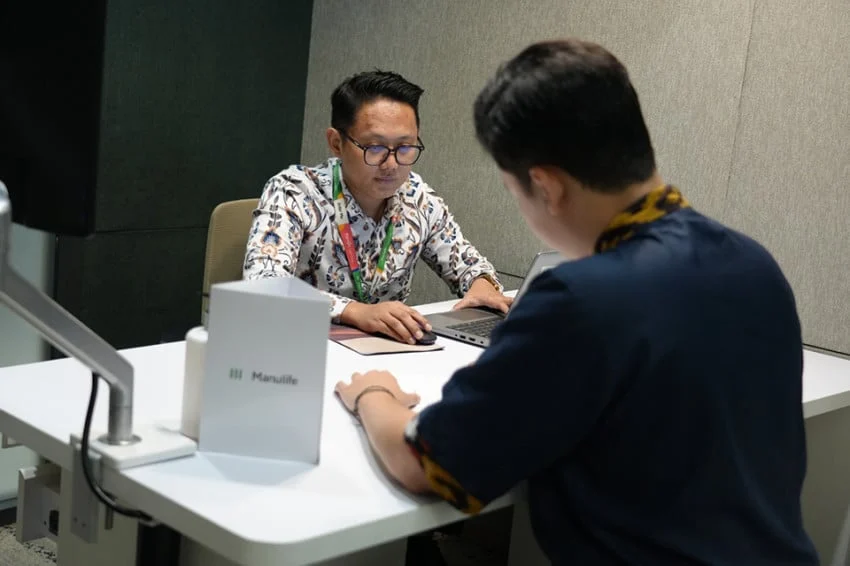
In observance of the annual Customer Day celebrated throughout September, PT Asuransi Jiwa Manulife Indonesia (Manulife Indonesia) has formally reaffirmed its strategic commitment to enhancing the policyholder experience. This initiative focuses on the entire lifecycle of insurance ownership, from the initial procurement of a policy to the critical stage of claims processing. By prioritizing transparency, digital accessibility, and rigorous adherence to contractual obligations, the company aims to bridge the gap between complex financial products and the practical needs of its diverse customer base.
The Strategic Importance of Customer Day in the Insurance Industry
Customer Day in Indonesia serves as a pivotal period for the financial services sector to recalibrate its relationship with the public. For insurance providers, it is an opportunity to move beyond transactional interactions and emphasize the value of long-term protection. Manulife Indonesia’s focus this year is centered on the concept of "protection literacy"—ensuring that policyholders are not merely owners of a financial contract but are fully informed participants who understand the scope, limitations, and potential of their coverage.
The insurance landscape in Indonesia has undergone significant transformation over the past decade. With the rise of digital platforms and increasing financial literacy among the middle class, the demand for transparency has reached an all-time high. Manulife’s approach acknowledges this shift by integrating robust communication strategies that simplify the jargon-heavy nature of policy documents, ensuring that customers feel empowered when making decisions regarding their health, retirement, and estate planning.
A Chronology of Commitment: From Policy Issuance to Claims Settlement
The journey of an insurance policy is a long-term commitment, often spanning decades. Manulife Indonesia’s operational philosophy is structured around four pillars of engagement:
- Product Transparency: Providing clear, jargon-free explanations of product features at the point of sale. This ensures that customers do not encounter unpleasant surprises when a life event necessitates the use of their policy.
- Professional Advisory: Leveraging a network of trained marketing professionals who act as partners rather than mere salespeople, providing ongoing guidance throughout the life of the policy.
- Digital Integration: Utilizing the MiAccount platform and other digital tools to allow customers to manage their policies, check coverage, and track status updates in real-time, reducing the bureaucratic friction often associated with legacy insurance models.
- Fair Claims Processing: Implementing a standardized, objective evaluation process for every claim, ensuring that the company’s "promise of protection" is fulfilled with consistency and empathy.
Data-Driven Claims Management: The Core of the Promise
At the heart of the insurance contract is the payment of claims. For Manulife Indonesia, this is the most critical juncture in the provider-customer relationship. According to internal reports, the company processes hundreds of claims every month, spanning a broad spectrum of categories, including health-related claims, life insurance payouts, pension distributions, and endowment maturity.
The complexity of these claims varies significantly. A health claim might involve hospital indemnity and medical expense reimbursement, while a life or pension claim often involves long-term, multi-generational financial planning. To handle this volume without compromising quality, Manulife employs a structured assessment framework. This framework evaluates every claim against the specific terms of the policy, the current status of the coverage, and the individual’s claim history. This rigorous approach is not intended to create barriers, but rather to ensure that the process remains fair and sustainable for all stakeholders.
Official Perspectives on Service Excellence
Caroline Utomo, Chief Operating Officer of Manulife Indonesia, emphasized that the claims process is the ultimate manifestation of the company’s brand promise. "The submission of a claim is a pivotal moment in our relationship with the customer," Utomo stated. "It is the moment when the promises contained within the policy become the most important aspect of our service. By assisting customers in understanding their benefits, the terms of their policies, the service procedures, and their responsibilities from the very beginning, we can foster deeper trust. This preparation ensures that when the time comes to file a claim, the customer feels supported rather than overwhelmed."
Industry analysts observe that this focus on "early education" is a proactive strategy to reduce customer friction. In the insurance industry, disputes often arise not from bad faith on either side, but from a fundamental misunderstanding of what is covered under specific policy riders. By investing in better communication during the initial purchase, companies like Manulife are effectively reducing the likelihood of future disputes, which in turn boosts brand loyalty and customer retention.
Broader Implications for the Indonesian Insurance Market
The move by Manulife Indonesia comes at a time when the Indonesian insurance industry is facing increased regulatory scrutiny and a growing need for public trust. The Financial Services Authority of Indonesia (OJK) has consistently encouraged insurance firms to improve their service standards and prioritize the protection of consumer interests.
Manulife’s initiatives, including its long-standing "Adopt Village" program and its focus on digitalization, reflect a broader trend of "Corporate Social Responsibility (CSR) as a Business Strategy." By aligning its community-focused efforts with its core operational strengths, the company is attempting to build a narrative of reliability. The implications for the wider market are significant:
- Standardization of Quality: As a market leader, Manulife’s focus on transparent claims processing sets a benchmark that competitors may feel compelled to follow.
- Digitalization as a Utility: The shift toward digital self-service tools is no longer a luxury but a necessity. Companies that fail to provide efficient digital access to policy information risk losing market share to more agile, technology-first providers.
- Trust as a Competitive Advantage: In an era of economic uncertainty, consumers are increasingly prioritizing financial institutions with a proven track record of stability and fair treatment. The emphasis on claims processing acts as a powerful marketing tool that reinforces the brand’s reputation for reliability.
Challenges and Future Outlook
Despite the progress, the insurance industry in Indonesia faces persistent challenges. Inflationary pressures on healthcare costs have made health insurance claims more complex to manage, requiring insurers to maintain a delicate balance between fiscal responsibility and compassionate service. Furthermore, the rapid adoption of technology brings new cybersecurity risks that must be managed to protect sensitive customer data.
Manulife Indonesia’s roadmap for the coming years appears to be focused on continuous improvement. By integrating advanced data analytics into its claims assessment process, the company aims to reduce turnaround times while maintaining the same level of rigorous compliance. Additionally, the expansion of its digital ecosystem is expected to provide even greater transparency, allowing customers to gain a granular understanding of their policy’s performance and coverage.
Conclusion: Sustaining the Promise
As Manulife Indonesia celebrates its history—including its 41-year presence in the country—the emphasis on Customer Day serves as a vital reminder of the company’s core mission. The transition from a traditional insurance provider to a comprehensive financial partner requires constant vigilance and an unwavering commitment to the customer.
By demystifying the claims process and ensuring that policyholders are equipped with the knowledge they need, Manulife is not only fulfilling its contractual duties but is also contributing to the overall health and stability of the Indonesian financial landscape. The company’s recent reaffirmations are a clear signal that, in the eyes of the organization, the strength of an insurance policy is defined not just by its premiums, but by the reliability and humanity with which it fulfills its promises when the customer needs it most. As the industry continues to evolve, this focus on human-centric, transparent, and digitally-enabled service will remain the cornerstone of success for insurers operating in the modern era.
