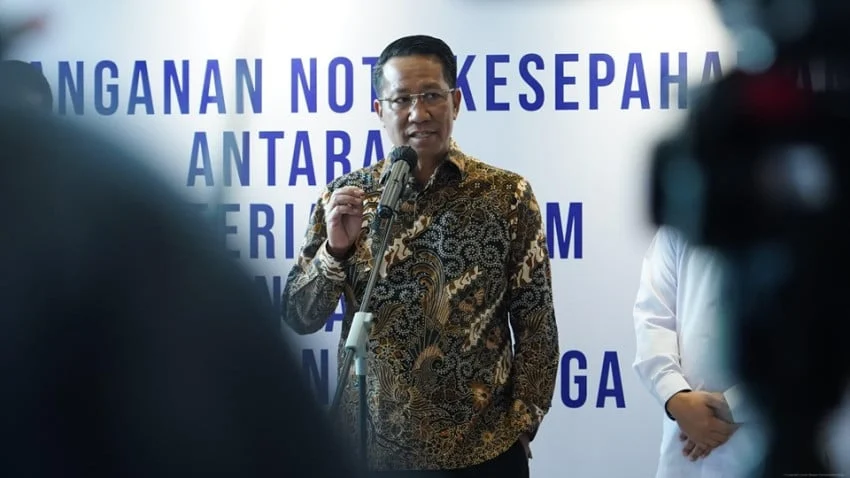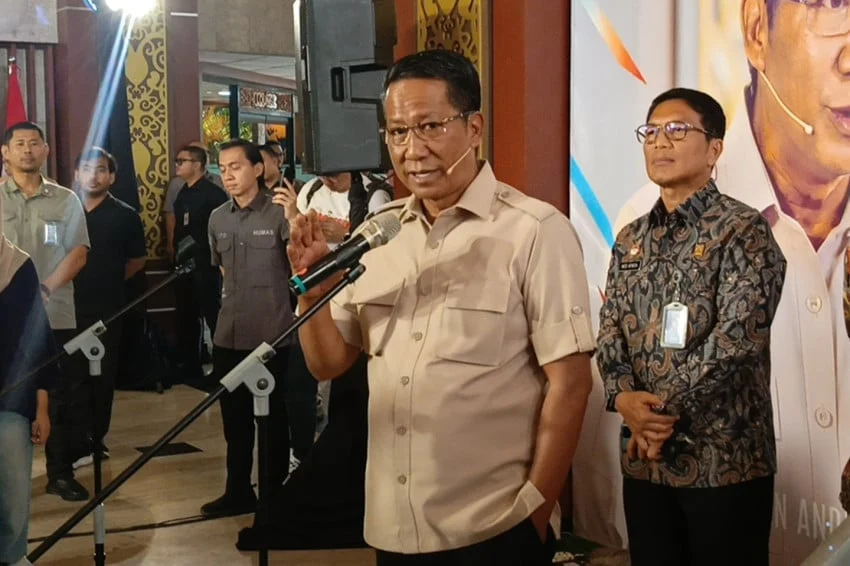
JAKARTA – Indonesia’s Minister of Law and Human Rights, Supratman Andi Agtas, has announced that his ministry will conduct a comprehensive review of the recently increased fees for various services, as stipulated in Government Regulation (PP) Number 30 of 2026 concerning Types and Tariffs of Non-Tax State Revenue (PNBP). This review specifically includes the significant hike in the fee for renouncing Indonesian citizenship, which has reportedly risen to Rp5 million.
The Minister’s statement came amidst public discourse and feedback regarding the new tariff structure. "However, we will re-evaluate this, conduct another review, and discuss it internally. This concerns the various increases that have been mentioned," Minister Supratman stated on Friday, July 24, 2026, at the Graha Pengayoman, the Ministry of Law and Human Rights complex.
This decision to revisit the tariffs signals a responsiveness to public concerns and potentially acknowledges unforeseen impacts of the revised fee schedule. The internal review process will involve key directorates within the ministry, including the Directorate General of Administration for General Law (AHU) and the Directorate General of Intellectual Property. These directorates are directly involved in the administrative processes affected by the PNBP revisions.
Background and Context of PNBP Revisions
The issuance of Government Regulation Number 30 of 2026 marked a significant overhaul of the Non-Tax State Revenue (PNBP) system for several ministries, including the Ministry of Law and Human Rights. PNBP refers to revenue collected by the government from sources other than taxes, such as administrative fees, permits, and licenses. These revenues are crucial for funding government operations and services.
The rationale behind such revisions typically involves aligning fees with the actual cost of providing services, adjusting for inflation, and ensuring that government revenue collection is efficient and sustainable. In the case of the Ministry of Law and Human Rights, the services affected by the new regulation range from passport renewals and legal document notarization to intellectual property registration and, notably, citizenship-related procedures.
The specific increase in the fee for renouncing Indonesian citizenship to Rp5 million has drawn particular attention. While the exact figures and justifications for previous fees were not detailed in the initial report, a substantial jump to this amount suggests a deliberate policy shift. This decision likely aims to either reflect the administrative burden and security implications associated with such a process or to potentially generate more revenue.
Public Reaction and the Ministry’s Response
News of the increased fee for renouncing citizenship has likely elicited varied reactions from the public. For individuals considering such a move, the higher cost could present a financial barrier. For others, it might be seen as a necessary adjustment to the value of Indonesian citizenship.
Minister Supratman’s commitment to re-evaluating the tariffs, particularly in response to public input, is a critical aspect of democratic governance. It suggests a willingness to engage with stakeholders and ensure that policy decisions are not only financially sound but also socially acceptable and equitable. The ministry’s approach to incorporate feedback indicates a desire for transparency and public trust in the administrative processes.
Exploring the Implications of Renouncing Citizenship
Renouncing one’s citizenship is a profound decision with significant legal, personal, and financial implications. It is typically a voluntary act undertaken by individuals who wish to acquire citizenship of another country, or for other personal reasons that necessitate severing ties with their country of origin.
The process often involves meeting specific legal requirements, such as demonstrating a genuine intention to renounce, not being stateless, and completing all necessary documentation. The administrative fees are part of the cost associated with processing these applications and ensuring that all legal protocols are followed.
The increase in the fee could potentially impact individuals in several ways:
- Financial Strain: For some, a Rp5 million fee might be a considerable financial burden, potentially delaying or deterring their decision to renounce citizenship. This is particularly relevant for individuals with limited financial resources.
- Strategic Considerations: The higher cost might encourage individuals to carefully weigh the necessity and timing of renouncing their citizenship. It could lead to more thorough consideration of alternative options, if available.
- Perceived Value of Citizenship: A higher fee could, in some interpretations, reflect a higher perceived value or significance of Indonesian citizenship, both by the state and by individuals.
Broader Context of Citizenship and Nationality Laws
The issue of renouncing citizenship is intertwined with broader discussions about nationality laws, dual citizenship, and the rights and responsibilities associated with being a citizen. Many countries have varying policies on dual citizenship, with some allowing it and others requiring individuals to renounce their previous citizenship upon acquiring a new one.
Indonesia, for a significant period, has had relatively strict regulations regarding dual citizenship, particularly for adults. While there have been provisions for children born to Indonesian parents abroad or those who acquire Indonesian citizenship through naturalization to hold dual nationality under specific circumstances, adult citizens generally face limitations. The increase in the fee for renouncing citizenship might also be viewed in the context of the government’s broader approach to managing its citizen base and national identity.
The Review Process: What to Expect
The internal review by the Ministry of Law and Human Rights will likely involve several steps:
- Data Analysis: Examining the actual costs incurred by the ministry in processing applications for renouncing citizenship. This would include staffing, administrative overhead, and any security-related expenses.
- Benchmarking: Comparing the proposed Rp5 million fee with similar fees charged by other countries for comparable services.
- Stakeholder Consultations: While the initial statement mentioned internal discussions, a comprehensive review might also involve seeking input from legal experts, civil society organizations, and representatives of diaspora communities who might be affected by these fees.
- Economic Impact Assessment: Evaluating the potential economic consequences of the increased fee on individuals and the broader community.
- Legal and Policy Alignment: Ensuring that the fees are consistent with existing laws and the ministry’s overall policy objectives.
The Directorate General of AHU plays a pivotal role in managing citizenship matters, including processes related to acquisition, loss, and restoration of Indonesian citizenship. Their expertise will be crucial in assessing the administrative complexities and costs involved. Similarly, the Directorate General of Intellectual Property might be involved if the revised PNBP affects a wider range of services that fall under their purview, although their direct involvement in citizenship renunciation is less likely.
Looking Ahead: Potential Outcomes of the Review
The outcome of the review remains to be seen. Several possibilities could emerge:
- Tariff Reduction: The ministry might decide to reduce the Rp5 million fee to a more acceptable level, based on cost analysis and public feedback.
- Tariff Adjustment: A revised fee might be introduced, potentially a tiered system based on certain criteria, or a moderate adjustment from the current proposed amount.
- Justification and Clarification: The ministry might proceed with the Rp5 million fee but provide a more detailed and transparent explanation of the underlying reasons and the benefits derived from the revenue.
- Policy Revisions: The review could lead to broader policy discussions about citizenship and nationality, potentially influencing future regulations.
The commitment to re-examine the increased fee for renouncing Indonesian citizenship underscores the dynamic nature of governmental policy and the importance of public consultation. As Minister Supratman indicated, the process will be thorough and internal, involving key departments. The public will likely await further announcements regarding the findings of this review and any subsequent adjustments to the fee structure. This situation highlights the ongoing effort by the Indonesian government to balance revenue generation with public service delivery and the accessibility of essential administrative processes. The ultimate goal is to ensure that policies are fair, transparent, and serve the best interests of the nation and its citizens.