
The modern air travel experience has undergone a significant transformation over the past several decades, evolving from a luxury event characterized by formal attire to a high-volume transit system where comfort often takes a backseat to logistics. As global passenger traffic continues to surge, reaching nearly pre-pandemic levels in 2023 and 2024, the physical toll of long-haul flights has become a focal point for health experts and seasoned travelers alike. In a comprehensive assessment of in-flight wellness, a group of prominent travel authors and industry experts have identified five specific clothing items that passengers should avoid to ensure optimal circulation, hygiene, and efficiency during their journey. These recommendations go beyond mere fashion critiques, touching upon the physiological impacts of cabin pressure, the rigorous demands of airport security, and the sanitary realities of confined public spaces.
The Physiological Impact of In-Flight Attire
When an aircraft reaches its cruising altitude, typically between 30,000 and 40,000 feet, the cabin is pressurized to an equivalent of 6,000 to 8,000 feet above sea level. This change in pressure causes gases within the body to expand and can lead to slight swelling in the extremities, particularly the legs and feet. Consequently, clothing that feels comfortable on the ground can become restrictive and even dangerous during a multi-hour flight.
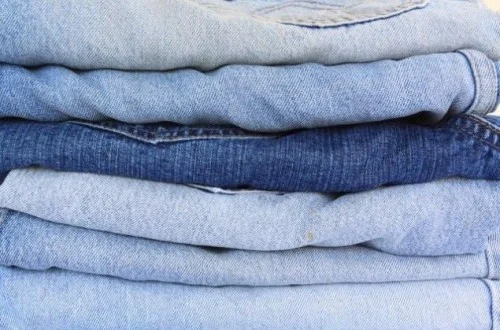
1. The Hidden Dangers of Denim
Jeans are perhaps the most ubiquitous clothing item in the world, yet they are cited by experts as the primary "no-go" for air travel. Tory Jon, a noted travel writer and the founder of Camper FAQs, emphasizes that while denim is durable, its lack of elasticity and heavy weave make it unsuitable for the sedentary nature of flying. This is especially true for flights exceeding three hours.
The primary concern is the restriction of blood flow. Tight-fitting jeans, particularly those with a rigid waistband or "skinny" silhouettes, can compress the veins in the legs and pelvic region. When combined with the low-oxygen environment of a pressurized cabin and prolonged immobility, this compression increases the risk of Deep Vein Thrombosis (DVT). DVT is a condition where blood clots form in deep veins, which can be life-threatening if a clot travels to the lungs.
Furthermore, denim is a non-breathable fabric. Abby Price, CEO and co-founder of the travel blog Trekking Price’s, notes that jeans can trap heat and moisture against the skin, leading to discomfort and a lack of freshness by the time a passenger reaches their destination. Price recommends alternatives such as high-quality joggers, stylish sweatpants, or loose-fitting trousers made from technical fabrics that allow for expansion and movement.
2. The Logistical Nightmare of One-Piece Outfits
While jumpsuits, rompers, and overalls have seen a resurgence in fashion trends, they present significant practical challenges in the context of aviation. Jessica Schmit of the Uprooted Traveler blog points out that the primary issue with one-piece garments is the "lavatory factor."
Airplane bathrooms are notoriously cramped, often measuring less than 30 inches wide. In such a confined space, a passenger wearing a jumpsuit must almost entirely undress to use the facilities. This process is not only cumbersome but poses a hygiene risk, as the top half of the garment often risks touching the floor or the walls of the lavatory.
Reneze Lopez, a lifestyle and travel writer for Sincerely Reneze, adds that athletic "onesies" or unitards are equally problematic. These garments are often designed for high-intensity movement and can be excessively tight, which, much like jeans, restricts circulation. Lopez suggests that travelers who prefer an athletic aesthetic should opt for high-quality leggings paired with a separate top, providing the same look without the logistical and physiological drawbacks.
Navigating Security and Hygiene Standards
Beyond personal comfort, the choice of clothing directly impacts the efficiency of the airport ecosystem. The Transportation Security Administration (TSA) and other global security agencies operate on strict timelines to process thousands of passengers per hour. Clothing that complicates this process contributes to terminal congestion and increased stress for both passengers and staff.
3. The Inefficiency of Belts and Complex Fasteners
Travel experts suggest that the belt is a redundant accessory in the modern airport environment. Rax Suen, founder of NomadsUnveiled, argues that passengers should prioritize "security-ready" outfits. Most standard security screenings require the removal of belts, which adds a layer of complexity at the x-ray bins.
The delay caused by one passenger struggling with a belt buckle may seem negligible, but when multiplied by hundreds of passengers, it results in significant bottlenecks. Suen recommends wearing trousers with elasticated waistbands or internal drawstrings, such as hiking pants or premium lounge trousers, which maintain a polished appearance without the need for metal accessories.
4. Footwear: A Balance of Safety and Sanitation
The choice of footwear is perhaps the most debated aspect of travel attire. While sandals and flip-flops are popular for those heading to tropical destinations, they are discouraged by safety experts for several reasons.
Sarah Simon, owner of Mukikapup’s Travels, highlights the hygiene aspect. Aircraft cabins, particularly the carpets and lavatory floors, are breeding grounds for bacteria. Wearing open-toed shoes exposes the skin to these contaminants. Additionally, airport security in many jurisdictions, including the United States, requires passengers to remove their shoes. Walking barefoot through a security scanner is a major hygiene concern for many travelers.
From a safety perspective, Michelle Joy of Harbors and Havens notes that in the unlikely event of an emergency evacuation, sturdy, closed-toe shoes are essential. Flip-flops or high heels can hinder a passenger’s ability to move quickly down an inflatable slide or across debris. Joy recommends slip-on sneakers worn with socks. This combination ensures that the passenger is "security-compliant," protected from floor bacteria, and prepared for any emergency.
5. The Science of Synthetic Fabrics and Odor Retention
The final item on the expert "avoid" list is polyester and other non-breathable synthetic blends. Wesley Cunningham of WorldWideyedWes explains that while polyester is favored for its wrinkle-resistance, it is a hydrophobic fiber, meaning it does not absorb moisture.
On a long flight, the body naturally perspires. In a polyester garment, this sweat remains trapped between the skin and the fabric, where it interacts with bacteria to produce odors. Natural fibers like cotton, silk, or high-performance Merino wool are superior alternatives. Merino wool, in particular, is highly prized by frequent flyers for its ability to regulate temperature—keeping the wearer cool in warm terminals and warm in chilly cabins—while naturally resisting odors for days.
Data and Industry Context: The Cost of Discomfort
The recommendations provided by these experts are supported by broader industry data regarding passenger health and operational efficiency. According to the Centers for Disease Control and Prevention (CDC), the risk of DVT is heightened for anyone traveling more than four hours, regardless of their age or physical condition. The "economy class syndrome," as it is colloquially known, is exacerbated by restrictive clothing.
Furthermore, a study on airport throughput suggests that "clothing-related delays" at security checkpoints can reduce the efficiency of a single lane by up to 15%. This has led some airlines and travel agencies to begin including "Travel Attire Guides" in their pre-flight communications to passengers, emphasizing the need for flexible, breathable, and metal-free clothing.
Broader Implications for the Aviation Industry
The shift in focus toward "smart" travel attire reflects a broader trend in the aviation industry toward passenger wellness. Airlines are increasingly investing in cabin environments that mitigate the physical strain of flying, such as the Boeing 787 Dreamliner’s lower cabin altitude and advanced humidity controls. However, experts argue that these technological advancements must be met with informed choices by the passengers themselves.
The choice of clothing is not merely a matter of personal style; it is a component of the "preventative health" strategy for travel. By avoiding restrictive denim, complex one-piece garments, unnecessary accessories, unhygienic footwear, and odor-trapping synthetics, travelers can significantly reduce the physical and mental fatigue associated with air travel.
As the industry looks toward the future of ultra-long-haul flights—such as Qantas’ "Project Sunrise," which will see non-stop flights exceeding 20 hours—the importance of what we wear in the air will only grow. The consensus among travel authors and experts is clear: the most successful journey is one where the passenger arrives at their destination feeling as refreshed as they did at the departure gate, a feat only possible through the careful selection of travel-ready attire.
