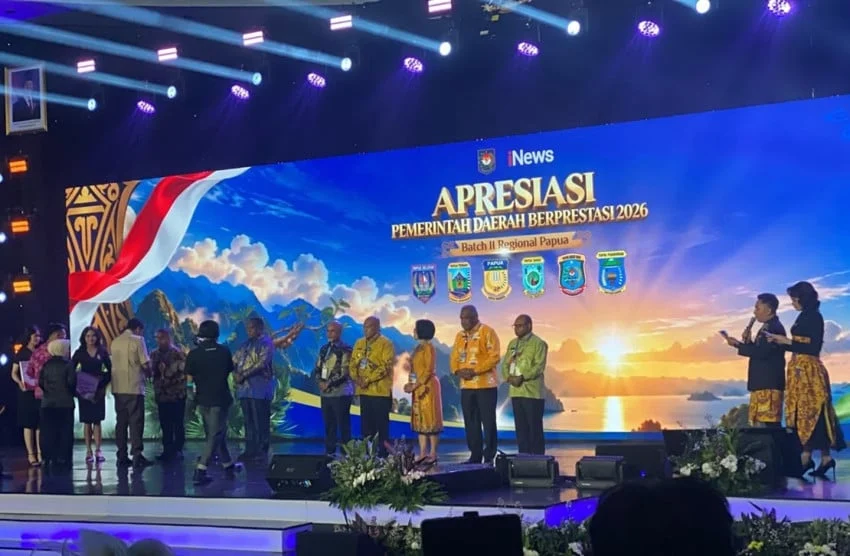
The Ministry of Home Affairs (Kemendagri) officially hosted the 2026 Regional Government Achievement Appreciation (Apresiasi Pemerintah Daerah Berprestasi) Batch II for the Papua region. The prestigious event took place at the Royal Glass, Park Hyatt, Jakarta, on Monday, September 28, 2026. This gathering served as a formal recognition of local governments that have demonstrated exceptional dedication to driving sustainable development and implementing impactful policies for their respective communities. The event brought together provincial, regency, and municipal leaders from across the Papua region to celebrate excellence in governance, administrative efficiency, and public service delivery.
Background and Context of the Appreciation Program
The Apresiasi Pemerintah Daerah Berprestasi is a flagship initiative by the Indonesian Ministry of Home Affairs designed to incentivize local administrations. By establishing a competitive yet collaborative environment, the Ministry aims to foster a culture of innovation within regional bureaucracies. The 2026 program is structured into several regional batches to ensure that local governments, regardless of their geographic location or specific socio-economic challenges, have an equitable opportunity to be evaluated based on their performance metrics.
The 2026 edition of this program is particularly significant as it aligns with the national government’s broader agenda of accelerating development in Eastern Indonesia. With a focus on infrastructure, social welfare, and economic empowerment, the Ministry utilizes this platform to track the progress of national strategic projects at the local level. By awarding excellence, the Ministry hopes to encourage other regions to adopt best practices that have proven successful in high-performing areas.
Chronology of the 2026 Selection Process
The road to the Batch II Regional Papua event began months earlier, following the successful conclusion of preceding batches. Minister of Home Affairs Muhammad Tito Karnavian highlighted during his keynote address that this specific ceremony marked the 12th installment of the appreciation series. The Ministry has been systematically touring regional clusters to provide localized feedback and recognition.
"I shared with Ibu Angela Tanoesoedibjo that this award event for the six regional clusters under Batch II is the 12th of its kind; today, we have successfully executed eleven such sessions," Minister Tito stated. The process involves rigorous data verification, field audits, and independent panel reviews that assess how local governments manage their budgets, implement federal directives, and respond to the unique needs of their constituents. The selection criteria for 2026 were notably more stringent than in previous years, focusing heavily on the "3 Million Homes" development program, which is a centerpiece of the current administration’s housing policy.
The Significance of the "3 Million Homes" Initiative
A focal point of the 2026 awards was the implementation of the 3 Million Homes development program. This national housing initiative aims to reduce the backlog of affordable housing across the archipelago. For the Papua region, where logistical challenges and land availability often complicate large-scale infrastructure projects, the success of local governments in executing this mandate is a testament to their administrative capacity.
The awards were categorized into three tiers: Regency, Provincial Capital, and Provincial level. The inclusion of these specific categories ensures that the assessment reflects the unique scale of operations in each administrative jurisdiction. By prioritizing housing, the Ministry of Home Affairs is sending a clear signal that the central government expects local leaders to prioritize the fundamental right to adequate shelter as a prerequisite for regional economic stability.
Official Responses and Strategic Collaboration
The event featured prominent guests, including Angela Tanoesoedibjo, whose presence underscored the collaborative effort between government branches and media entities to promote regional accountability. Minister Tito Karnavian noted a distinct difference in the atmosphere and execution of this year’s event compared to previous iterations.
"To be honest, without diminishing the efforts of those who organized previous events, this collaboration with iNews has created a distinct atmosphere. It feels like the best one yet," Minister Tito remarked. This synergy between the Ministry and media organizations is intended to enhance public awareness of regional government achievements. By televising and reporting on these successes, the government provides a level of transparency that allows the public to hold their local representatives accountable while celebrating the progress made in their regions.
Analysis of Regional Performance: The Papua Case
The Papua region presents a unique set of variables for development. The government’s emphasis on this region through the 2026 Batch II awards reflects a strategic effort to integrate Papua more deeply into the national economic framework. The performance of awardees like the Mimika Regency and the City of Jayapura suggests that despite geographical obstacles, proactive leadership and effective budget management can lead to significant outcomes in housing and infrastructure.
The recognition of Kabupaten Merauke and the City of Sorong as top-tier performers in the provincial capital category highlights the growing capacity of these urban centers to act as catalysts for regional growth. These areas serve as hubs for trade, services, and administration, and their ability to execute the 3 Million Homes program directly impacts the migration and urbanization patterns within Papua.
Detailed List of Award Recipients
The following local governments were recognized for their outstanding contributions to the 3 Million Homes program:
Regency Level:
- Best 1: Mimika Regency
- Best 2: Jayapura Regency
- Best 3: Teluk Bintuni Regency
Provincial Capital Level:
- Best 1: Merauke Regency
- Best 2: Jayapura City
- Best 3: Sorong City
These awardees were evaluated on factors including land acquisition efficiency, coordination with private developers, the quality of construction, and the speed of permit issuance.
Broader Implications for National Governance
The implications of these awards extend beyond a mere trophy. For the winning local governments, the recognition serves as a marker of credibility, which can influence future budgetary allocations, federal grant eligibility, and potential investments from the private sector. When a regency is identified as "Best in Class" by the Ministry of Home Affairs, it signals to stakeholders that the local government is reliable, efficient, and capable of managing large-scale developmental projects.
Moreover, the emphasis on the 3 Million Homes program serves as a barometer for the government’s ability to decentralize development. If local governments in Papua can successfully implement national housing standards, it provides a replicable model for other regions facing similar developmental hurdles. This top-down mandate, supported by bottom-up execution, is critical for the government’s 2026 development objectives.
Challenges and Future Outlook
While the awards celebrate success, they also illuminate the gaps that remain. For regions not represented in the top three, the Ministry of Home Affairs provides a roadmap for improvement. The benchmarking process allows underperforming regions to observe the methods used by the winners. For example, the success of Mimika in the regency category likely stems from its robust resource management and strong collaboration with both the public and private sectors.
Looking ahead, the Ministry plans to continue these appreciation programs to maintain momentum. The integration of digital monitoring systems and real-time reporting of housing development progress will likely be the next step in refining this assessment model. By 2027, the Ministry expects to see even higher adoption rates of federal programs as the competitive nature of these awards continues to incentivize local bureaucrats to outperform their peers.
Conclusion
The Apresiasi Pemerintah Daerah Berprestasi 2026 Batch II for the Papua region represents a significant milestone in the Indonesian government’s quest for regional excellence. By celebrating the achievements of local leaders in the vital sector of housing, the Ministry of Home Affairs is not only fostering competitive governance but also ensuring that the benefits of national development reach the furthest corners of the country. As the administration continues to refine its evaluation metrics, the expectation is that these regional governments will remain committed to the sustainable and equitable development of their communities, ultimately contributing to a more resilient and prosperous Indonesia. The event in Jakarta served as a powerful reminder that when local governance is aligned with national priorities, the potential for transformative impact on the lives of citizens is immense.