The automotive industry is bracing for a significant transformation in the luxury sports sedan segment as Nissan officially confirms the arrival of the 14th-generation Skyline. Scheduled for a global debut in December 2026, the new iteration of this legendary nameplate represents more than just a model update; it is a cornerstone of Nissan’s broader strategic vision to revitalize its most storied heritage vehicles. The announcement, corroborated by Nissan President and CEO Ivan Espinosa, signals the end of a long-standing product cycle for the current V37 generation and sets the stage for a technological revolution within the company’s manufacturing operations.
A New Chapter for an Automotive Legend
For decades, the Nissan Skyline has functioned as a cultural touchstone in Japan, bridging the gap between high-performance sports cars and refined executive sedans. Having first debuted in its modern iteration—the V37—in November 2013, the platform has remained on the market for over 13 years, an unusually long lifecycle in the fast-paced automotive sector. The decision to finally retire the V37 and usher in the 14th generation addresses growing consumer demand for a vehicle that aligns with contemporary performance standards, advanced connectivity, and modern aesthetic sensibilities.
During a press briefing, Ivan Espinosa emphasized that the development of the 14th-generation Skyline is emblematic of a fundamental shift in how Nissan approaches vehicle creation. The company is leaning heavily into its "Nissan Ambition 2030" vision, which prioritizes electrification, intelligence, and a revamped global product lineup. The new Skyline is designed to be a bridge between the analog soul of traditional Japanese engineering and the digital efficiency required for the future of mobility.
Unprecedented Speed: The Digital Engineering Revolution
One of the most remarkable aspects of the new Skyline’s development is the drastic reduction in time-to-market. While previous generations required an average development cycle of approximately 55 months, the 14th-generation Skyline has been brought from concept to production-ready status in a mere 26 months. This feat, which represents a 50% increase in development velocity, is primarily attributed to the deep integration of generative artificial intelligence and sophisticated digital twin technology.
Nissan’s engineering teams utilized cloud-based simulation platforms to conduct thousands of hours of stress testing, aerodynamic refinement, and thermal management analysis long before a physical prototype ever touched the tarmac. By shifting the bulk of the "trial and error" phase to a virtual environment, Nissan has managed to optimize the chassis and powertrain integration with surgical precision. This shift is not merely about cost-cutting; it is about ensuring that the new Skyline meets the rigorous safety and performance standards of 2026 while maintaining the nimble, driver-centric characteristics that defined the Skyline legacy.

Design Language and Aesthetic Evolution
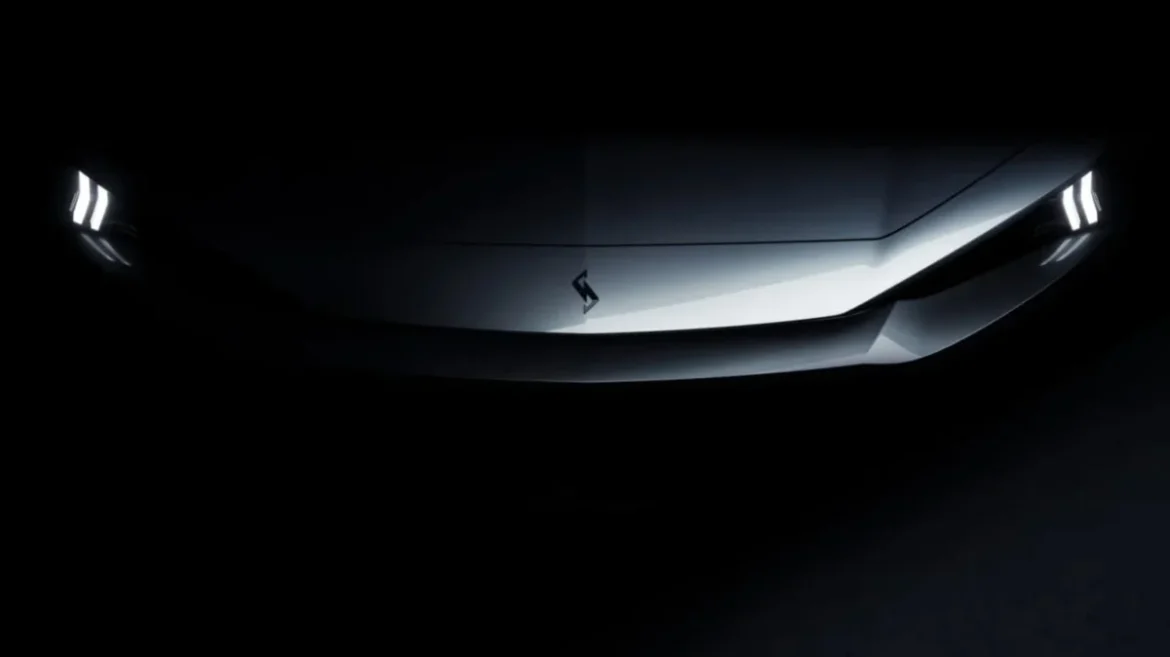
Leaked teaser materials and official glimpses suggest that the 14th-generation Skyline will strike a balance between homage and innovation. The silhouette is expected to be more aggressive and muscular than its predecessor, featuring sharp, angular body panels that emphasize a low center of gravity. Most notably, the rear lighting signature pays a direct tribute to the GT-R, with circular, quad-element LED clusters that serve as a visual nod to the Skyline’s high-performance heritage.
Designers have reportedly moved away from the more conservative, soft-edged aesthetics of the V37, opting instead for a "tech-forward" look. This includes an integrated light bar across the front fascia, thin-profile matrix LED headlights, and a cabin that prioritizes driver engagement through a cockpit-centric dashboard layout. The intent is to cater to a demographic that values both the historical weight of the Skyline badge and the cutting-edge digital experiences of a modern, connected vehicle.
Technical Speculations and Powertrain Dynamics
While Nissan has kept the full technical specifications under strict embargo, industry analysts have been closely monitoring patent filings and supply chain movements. The consensus among automotive experts is that the new Skyline will retain its rear-wheel-drive (RWD) architecture, which remains a hallmark of the model’s driving dynamics.
There is significant speculation regarding the powertrain. Given the global regulatory landscape and Nissan’s commitment to lowering fleet-wide emissions, a hybrid configuration appears almost certain. Some reports suggest the implementation of an advanced e-POWER system, potentially coupled with a high-output electric motor to provide the instant torque characteristic of modern performance sedans. However, purists will be encouraged by rumors that Nissan is considering retaining a V6 twin-turbo engine—likely an evolution of the VR-series powerplants—capable of exceeding 400 horsepower. Furthermore, whispers of a six-speed manual transmission option have circulated, though this remains one of the most debated aspects of the upcoming release. If true, it would position the new Skyline as a direct competitor to other performance-oriented luxury sedans that continue to cater to the enthusiast driver.
Manufacturing Excellence at Tochigi
The commitment to the Skyline’s heritage is further evidenced by the decision to manufacture the vehicle in Japan at the Tochigi plant. This facility has historically been the epicenter of Nissan’s sports car production, currently responsible for the assembly of the Fairlady Z. By concentrating the production of its most iconic sports-focused vehicles in Tochigi, Nissan is signaling a long-term investment in the "Made in Japan" brand identity.
The Tochigi plant has recently undergone significant upgrades to accommodate the assembly of electrified powertrains alongside traditional combustion systems. This flexible manufacturing line is essential for the 14th-generation Skyline, as it allows Nissan to adapt production volume based on market demand for hybrid versus potentially fully electric variants in the future.

Broader Implications for the Market
The launch of the new Skyline occurs at a critical juncture for the Japanese automotive industry. With manufacturers in China and Europe aggressively pushing toward full electrification, companies like Nissan are under immense pressure to prove that traditional performance nameplates can survive in the transition era.
The Skyline is not just a car for Nissan; it is a statement of identity. By successfully integrating AI-driven development and hybrid technology into a legacy platform, Nissan is testing a blueprint that could be applied to other models in its portfolio. The success of this launch will likely dictate the future of other performance models, including the next iteration of the GT-R.
Moreover, the return of the Skyline to the global spotlight serves as a strategic marketing move. By positioning the vehicle as a high-tech, performance-oriented sedan, Nissan aims to claw back market share from premium German rivals that have dominated the segment for the past decade. The combination of a storied nameplate, modern digital engineering, and a renewed focus on driver-centric performance provides Nissan with a compelling narrative to attract both long-time loyalists and a new generation of buyers.
Looking Ahead
As December 2026 approaches, anticipation continues to build. The industry is looking for clarity on whether the new Skyline will be a global product or if it will remain primarily a regional offering for the Japanese and select Asian markets. Given the historical significance of the model, a broader international rollout would be a significant signal of Nissan’s global health and ambition.
The 14th-generation Skyline arrives at a time when the definition of a "driver’s car" is being challenged by autonomous systems and electrification. If Nissan’s strategy holds true, the new Skyline will prove that these advancements need not dilute the driving experience, but rather enhance it. For now, the automotive world waits for the final word from Yokohama, as Nissan prepares to unveil a vehicle that is expected to redefine the standards of the performance sedan category for the remainder of the decade.