
Child development experts emphasize that managing separation anxiety in young children requires a structured, gradual approach, particularly because traditional reactions—such as crying, clinging, or outright refusals to be left behind—frequently evoke emotional distress in caregivers. Understanding the psychological underpinnings of this common developmental phase allows parents to respond with empathy and consistency rather than frustration.
Across global child psychology frameworks, separation anxiety is recognized not as a behavioral flaw or mere manipulation, but as a normal milestone in cognitive and emotional maturation. As families increasingly juggle demanding work schedules, early childhood education, and social obligations, mitigating the distress associated with parting ways has become a critical focus for pediatricians, developmental psychologists, and educators worldwide.
Psychological Foundations of Separation Anxiety
According to behavioral research published in major psychological journals, infants and toddlers rapidly learn to identify their parents or primary caregivers as the ultimate providers of safety and resource fulfillment. This profound biological attachment forms the bedrock of emotional security during early childhood.
However, as cognitive capacities expand, children begin to realize that adults possess independent mobility and can leave their immediate physical vicinity. This realization frequently triggers an uncomfortable psychological state known as separation anxiety.
Pediatric data indicates that separation anxiety typically manifests between the ages of 6 months and 3 years, though milder forms can reemerge during major life transitions, such as starting school or relocating to a new neighborhood. While the intensity varies significantly from one child to another, common physical and emotional indicators include persistent crying, shadowing parents around the house, sleep disturbances, and acute distress when a caregiver attempts to exit a room.
Rather than dismissing these reactions as oversensitivity or attempting to forcefully silence a crying child, specialists advise reframing the behavior. Children need systematic reassurance that a temporary departure does not equate to abandonment. When adults respond calmly and predictably, the child’s nervous system gradually learns to tolerate brief periods of separation without entering a state of panic.
Essential Strategies for Managing Separation Anxiety
Navigating transitions smoothly requires intentional preparation and disciplined execution by caregivers. Child development clinics and family counseling centers advocate for a standardized set of proactive measures to help children build emotional resilience during departures.
1. Systematic Preparation Before Departure
One of the most common mistakes caregivers make is attempting a "sneak exit"—slipping away quietly while the child is distracted. While this may temporarily avoid an immediate scene, it erodes trust and heightens long-term anxiety.
Experts recommend providing a transparent, simple explanation well in advance of leaving. Caregivers should clearly state where they are going and outline engaging activities the child can look forward to during their absence. Shifting the child’s focus toward a positive, upcoming experience helps reframe the separation as the gateway to an enjoyable activity rather than a looming crisis.
2. Establishing Brief and Consistent Parting Routines
Prolonged farewells often backfire, inadvertently signaling to the child that the impending departure is a dangerous or highly unstable event. Establishing a predictable, concise ritual—such as a specific hug, a double kiss on the cheek, or a specialized catchphrase—provides a comforting sense of closure.
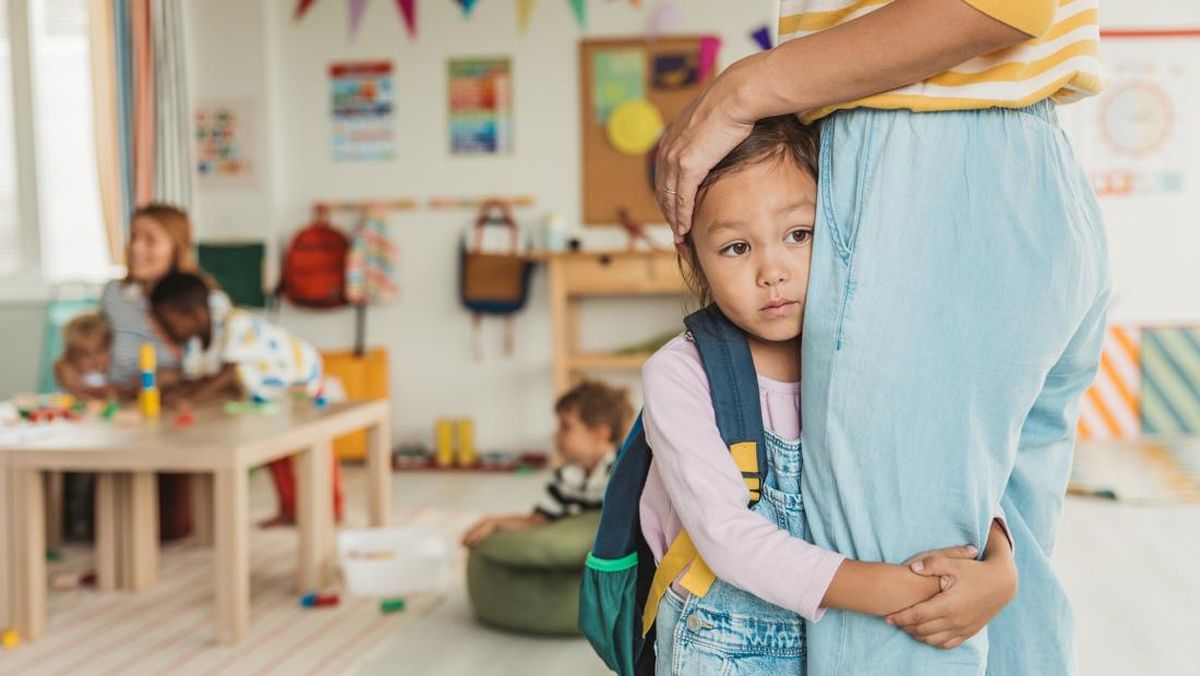
Once the ritual is completed and the farewell is delivered, caregivers must make a clean break. Lingering or returning repeatedly simply resets the child’s emotional distress cycle, making subsequent partings significantly more difficult.
3. Contextualizing Time for Young Children
Abstract concepts of time, such as "I will be back in two hours" or "See you at 4 PM," hold virtually no meaning for toddlers and preschoolers. To alleviate the uncertainty of waiting, caregivers should anchor their return to concrete daily milestones that the child easily understands.
Statements such as, "Mama will pick you up right after your afternoon nap," or "Daddy will be home as soon as you finish your lunch," give children a tangible mental marker. Crucially, adults must rigorously honor these markers. Fulfilling the promised timeline builds foundational trust, proving to the child that departures are always followed by reunions.
4. Validating Emotions with Empathy and Calm
Dismissive language, impatience, or expressing anger when a child cries can amplify insecurity. Instead, developmental specialists urge parents to acknowledge the child’s emotional reality without validating the panic.
A measured, empathetic response—such as acknowledging that feeling sad about a temporary goodbye is normal while affirming confidence in their ability to cope—sets a stabilizing tone. Children are remarkably perceptive; they routinely absorb and mirror the emotional state of the adults around them. If a caregiver radiates calm, grounded confidence, the child is far more likely to absorb that reassurance.
5. Progressive Desensitization Through Gradual Separation
Building emotional independence is akin to developing physical stamina; it requires incremental conditioning. Caregivers can introduce brief, controlled separations by leaving the child in the care of trusted family members, established babysitters, or familiar educators for short durations before scaling up to extended periods.
Furthermore, specialists stress the importance of self-evaluation among parents. Adult anxiety—manifested through hesitation, over-explaining, or visible guilt—is frequently detected by the child, reinforcing the subconscious belief that the separation environment is fundamentally unsafe.
Broader Implications and When to Seek Professional Support
While separation anxiety is a self-limiting developmental phase for the vast majority of children, its management carries significant long-term implications for social and emotional development. Effectively navigated separation experiences foster independence, emotional self-regulation, and confidence in navigating novel social environments, such as daycare and formal schooling.
Conversely, unaddressed or severely mishandled anxiety can sometimes ossify into more rigid behavioral challenges, potentially impacting academic readiness and peer socialization.
Most children naturally outgrow peak separation anxiety as their cognitive frameworks mature and object permanence is fully integrated. However, if intense distress persists beyond standard developmental windows, intensifies over time, or begins to severely disrupt daily functioning—such as causing chronic physical symptoms like stomachaches, severe sleep regression, or pervasive school refusal—parents are advised to consult pediatricians, child psychologists, or licensed family counselors. Professional intervention can provide targeted therapeutic frameworks tailored to the unique psychological profile of the child, ensuring long-term emotional well-being for the entire family unit.