As vehicle ownership continues to rise in Indonesia, the importance of robust financial protection against unforeseen incidents has become a cornerstone of responsible asset management. On September 14, 2026, industry experts reiterated the necessity for car owners to discern between the two primary forms of vehicle insurance coverage: Comprehensive (commonly known as All Risk) and Total Loss Only (TLO). While both serve to mitigate the financial burden of damage or loss, their operational mechanics, premium structures, and scope of protection differ significantly, often leaving under-informed policyholders vulnerable during the claims process.
The Evolution of Vehicle Protection in Indonesia
The Indonesian automotive insurance market has undergone significant transformation over the past decade. As the middle class expands and vehicle financing options become more accessible, the demand for insurance products has shifted from a mere legal or financing requirement to a proactive risk management strategy. According to industry reports from 2026, the complexity of vehicle repair costs—driven by advanced electronic components and specialized paint technologies—has rendered basic coverage insufficient for many modern vehicle owners.
In the contemporary insurance landscape, the distinction between All Risk and TLO is no longer just a matter of price, but a reflection of the owner’s risk appetite and the vehicle’s current market valuation. All Risk coverage is designed for those seeking a holistic safety net, while TLO is positioned as a budget-conscious solution for those primarily concerned with catastrophic financial loss.
Dissecting the Coverage: All Risk vs. TLO
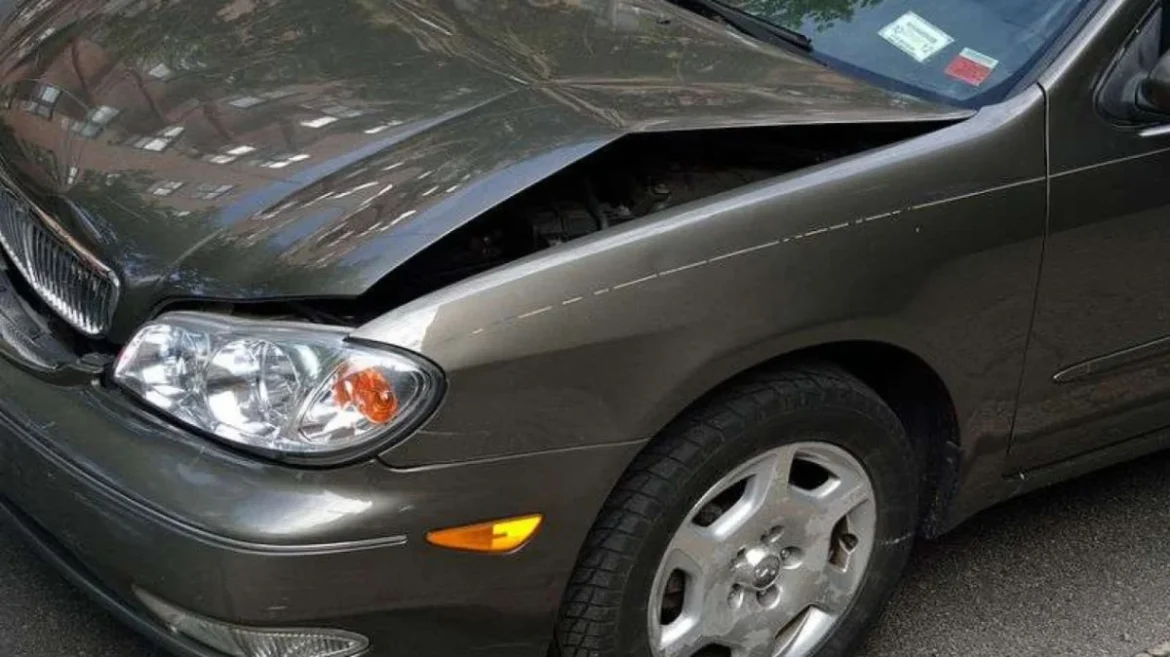
The term "All Risk" often creates a misconception among consumers that every possible scenario is covered. In reality, All Risk (Comprehensive) insurance provides coverage for a wide spectrum of incidents ranging from minor cosmetic damage—such as scratches, dents, and broken glass—to severe impacts, vandalism, fire, and theft. However, as noted in the September 2026 industry discourse, "All Risk" is subject to strict policy exclusions, such as damage caused by intentional acts, illegal activities, or neglect of vehicle maintenance.
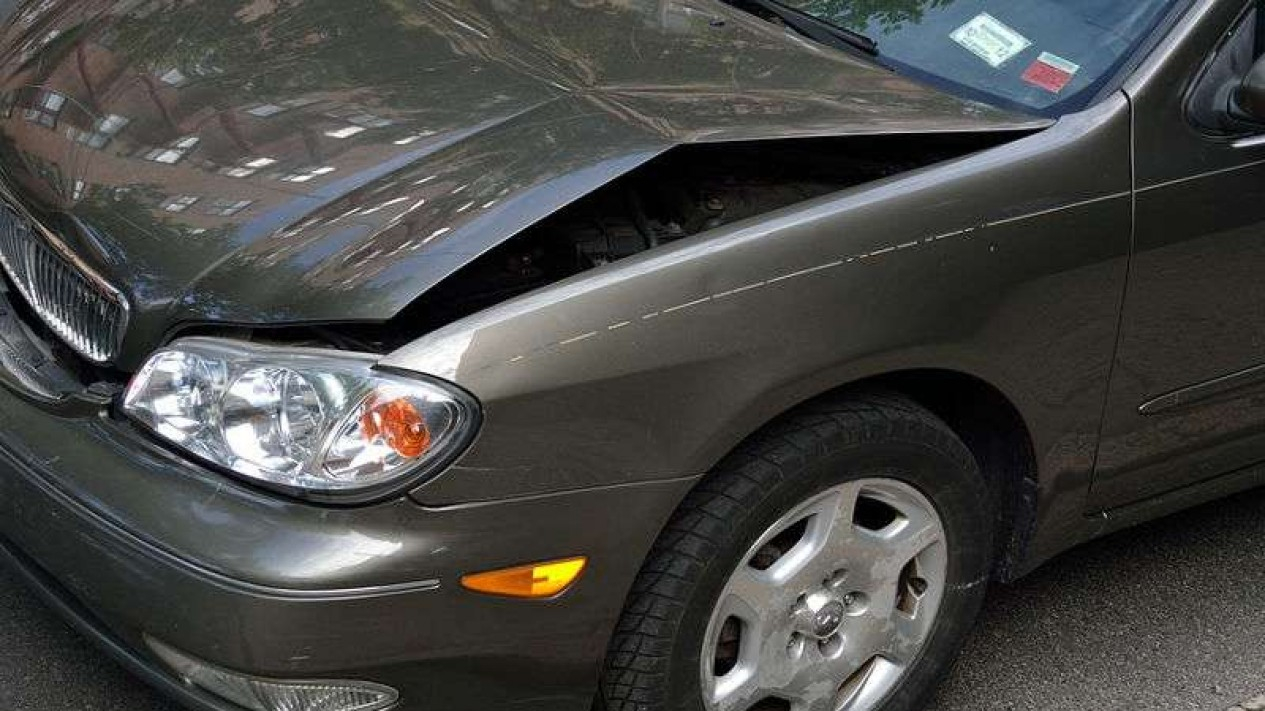
Conversely, Total Loss Only (TLO) insurance serves a more singular purpose. Under a TLO policy, the insurance company only assumes liability if the vehicle suffers damage exceeding a predetermined percentage of its market value, typically set at 75 percent or higher, or if the vehicle is stolen. This means that if a car suffers a broken bumper or a dented fender, the cost of repair falls entirely on the owner. TLO is often favored for older vehicles or by individuals who have a high tolerance for minor out-of-pocket repair costs but seek protection against the total loss of their asset.
The Economic Impact: Premiums and Policy Selection
The pricing disparity between these two products is rooted in the actuarial risk assessment of the insurer. All Risk policies command higher premiums because they involve a higher frequency of claims, particularly for minor repairs. The administrative costs associated with processing frequent, smaller claims contribute to the elevated price point.
TLO, by contrast, functions on a lower-frequency, high-severity model. Because the insurer is rarely called upon to settle a claim unless the vehicle is effectively destroyed or stolen, the premiums are significantly more affordable. Financial analysts suggest that the choice between the two should be contingent on the vehicle’s age, the owner’s driving environment—such as urban congestion versus rural transit—and the owner’s ability to absorb sudden maintenance costs.
Insights from Industry Leaders
Juanri, the Vice President of Insurance at Cermati Protect, emphasized that the primary challenge for Indonesian consumers remains the lack of transparent information at the point of purchase. "Our focus is to streamline the accessibility of information, ensuring that policyholders can navigate the nuances of these products without confusion," Juanri stated during the mid-September 2026 update.
Cermati Protect, which recently received the Service Quality Award 2026 for its online purchasing experience, serves as a digital aggregator that facilitates comparisons between more than 10 major insurance providers in Indonesia. This digital shift reflects a broader trend in the industry: the move toward direct-to-consumer insurance platforms that emphasize transparency and ease of access. By allowing users to compare policy wordings, exclusions, and premium rates side-by-side, platforms like Cermati Protect are helping to democratize financial literacy in the automotive sector.

Strategic Considerations for Vehicle Owners
For the average consumer, selecting the right policy involves a multi-step evaluation process:
- Vehicle Valuation: New vehicles, which often carry high repair costs and are subject to bank financing requirements, are almost universally better suited for All Risk coverage.
- Driving Environment: Individuals who commute in heavy metropolitan traffic face a higher statistical probability of "fender-bender" accidents. For these drivers, the cost-benefit analysis usually favors the inclusion of minor damage coverage found in All Risk policies.
- Financial Resilience: Owners should assess their liquid savings. If a sudden, moderate repair bill (e.g., IDR 5–10 million) would cause significant financial strain, the lower-deductible or more comprehensive nature of All Risk insurance is advisable.
- Policy Exclusions: Regardless of the policy type, consumers must review the "General Exceptions" section. Common exclusions include damage resulting from driving under the influence, operating the vehicle outside of designated roads, or using the vehicle for purposes other than those specified in the policy (e.g., using a private car for commercial ride-sharing without proper endorsement).
Market Trends and Future Implications
The insurance sector in Indonesia is currently enjoying a period of robust growth. As reported in recent fiscal updates, companies like PT MSIG Life Insurance Indonesia Tbk have seen significant profit growth—up 69 percent in the first half of 2026—indicating a stronger overall market appetite for insurance products. While this data pertains specifically to life insurance, it mirrors the general health of the Indonesian financial services industry, which is seeing higher penetration rates as digital platforms lower the barrier to entry.
As the industry matures, the integration of telematics—technology that monitors driving behavior—may soon influence premiums for both All Risk and TLO policies. If insurers can offer dynamic pricing based on actual driving data, the distinction between "All Risk" and "TLO" may evolve into more personalized, usage-based insurance models.
Conclusion: The Importance of Informed Decision-Making
The decision to insure a vehicle is not merely a bureaucratic checkbox but a vital component of personal financial security. By moving past the generic labels of "All Risk" and "TLO," and instead focusing on the granular details of policy coverage, exclusions, and claim processes, Indonesian vehicle owners can ensure that their assets are protected in the manner that best suits their individual circumstances.
The ongoing digital evolution of the insurance sector, led by companies focusing on user experience and information transparency, is providing the tools necessary for this transition. As technology continues to bridge the gap between complex insurance language and the average consumer, the market can expect a more educated policyholder base, ultimately leading to higher satisfaction levels and more stable, long-term relationships between insurers and their clients. For now, the imperative remains clear: read the policy, understand the specific triggers for coverage, and align the insurance product with the realities of one’s daily commute and financial capacity.