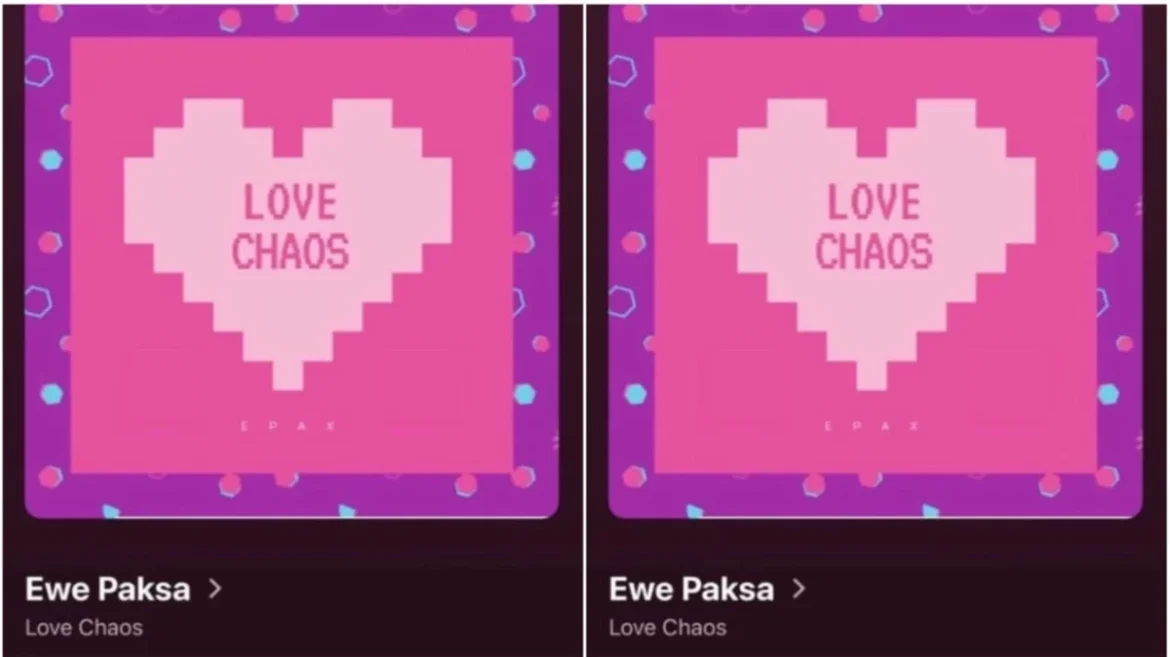
The Indonesian music industry is currently embroiled in a significant controversy following the viral resurgence of a song titled "Ewe Paksa," performed by the band Love Chaos. Released in 2024, the track has faced intense scrutiny and widespread condemnation from netizens who argue that its lyrics normalize sexual violence and promote the objectification of women. The backlash gained momentum on September 18, 2026, after users on the social media platform Threads expressed their outrage, sparking a broader conversation about the boundaries of artistic expression versus the promotion of misogynistic violence.
Chronology of the Digital Outrage
The discourse surrounding "Ewe Paksa" began when a Threads user, operating under the handle @telurrebusomega3, shared their discovery of the track while navigating a music streaming algorithm. The user reported being prompted by YouTube Music to listen to the song while searching for a different artist. Upon hearing the content, the user publicly denounced the track, describing both the musical quality and the lyrical substance as deeply problematic.
The user’s post, which went viral within hours, stated, "The title is poor, the lyrics are poor, and the song is truly terrible. I don’t understand why the algorithm recommended this to me." The criticism escalated quickly, as the user pointedly remarked that "rape is not a joke," highlighting the discomfort felt by listeners regarding the trivialization of non-consensual sexual acts.
Following the initial post, the conversation migrated to other social media platforms, including TikTok. Many users expressed shock upon discovering that snippets of the song had been utilized as background audio for various short-form videos. The normalization of such themes through viral audio clips has prompted a collective call for accountability, with many netizens questioning the content moderation policies of digital streaming platforms.
Analyzing the Contentious Lyrical Themes
"Ewe Paksa," a rock track performed by the ensemble known as Love & Chaos, has accumulated over 4.3 million streams across various digital music platforms since its release in 2024. The core of the controversy lies in the lyrics, which explicitly describe sexual acts performed without consent.
Music critics and social commentators have analyzed the song’s structure, noting that the title itself—a colloquial and highly derogatory term for forced sexual intercourse—is repeated as a refrain throughout the piece. Furthermore, the verses detail a narrative wherein a protagonist proceeds with sexual activities despite clear verbal or physical resistance from the female subject.
This thematic choice has drawn sharp criticism from gender rights advocates and the general public, who argue that the song functions as a form of cultural endorsement for sexual assault. The argument posits that while music often deals with provocative or dark themes, there is a distinct difference between exploring the human condition and actively glamorizing or trivializing violence against women.
Data and Platform Responsibility
The proliferation of "Ewe Paksa" raises critical questions regarding the role of digital service providers (DSPs) and their content distribution algorithms. With over 4 million streams, the song has successfully navigated the monetization structures of mainstream platforms.
Historically, platforms like Spotify, Apple Music, and YouTube Music utilize automated moderation systems to flag content that violates terms of service regarding hate speech or graphic violence. However, these systems often struggle with nuanced cultural slang or localized derogatory language, allowing songs that may violate community standards to remain accessible for extended periods.
The incident highlights a growing tension between the freedom of speech in creative arts and the responsibility of platforms to curate safe digital environments. When content that minimizes sexual assault becomes integrated into the ecosystem of trending audio, it can inadvertently desensitize younger audiences to the gravity of such crimes.
Industry Implications and Public Sentiment
The backlash against Love Chaos is not an isolated incident but part of a larger global movement demanding greater accountability in the entertainment industry. Similar controversies have previously forced international artists to retract songs or issue formal apologies after public pressure reached a threshold that impacted their commercial viability.
Sociologists observing the trend suggest that the public’s "zero-tolerance" stance toward the trivialization of sexual violence is a positive indicator of changing societal values. As the digital age allows for the rapid spread of information, the power dynamic between artists and their audiences has shifted. Fans now possess the tools to hold creators accountable, demanding that art not be used as a vehicle for harmful ideologies.
In the wake of this controversy, experts are calling for more robust mechanisms for reporting harmful content. "The issue is not just that this song exists, but that it is being algorithmically pushed to unsuspecting listeners," says one digital media analyst. "When an algorithm facilitates the reach of content that promotes sexual violence, the platform becomes a participant in that harm."
Responses and Future Outlook
As of the date of this report, Love Chaos has not issued an official public statement regarding the mounting criticism. The silence from the band has only served to fuel further debate, with some users calling for a coordinated "mass reporting" campaign to have the song removed from streaming services entirely.
Industry insiders note that such actions can be effective. When a significant volume of users reports a track for violating community guidelines—specifically regarding sexual harassment or the promotion of violence—platforms are often compelled to conduct manual reviews, which can lead to the removal of the content.
The broader implications for Indonesian musicians are clear: the tolerance for lyrics that explicitly or implicitly promote gender-based violence is rapidly declining. Artists are being encouraged to exercise greater social responsibility, understanding that their creative output contributes to the cultural fabric of society. The "Ewe Paksa" incident serves as a stark reminder that the digital space is no longer a vacuum; actions taken by artists have real-world consequences, and the public is increasingly unwilling to look the other way in the name of "artistic license."
Conclusion
The controversy surrounding the track "Ewe Paksa" represents a significant intersection of digital ethics, artistic freedom, and human rights. As the conversation continues to unfold, the focus remains on whether streaming platforms will tighten their content moderation policies and whether the band will address the valid concerns raised by the public. For now, the episode serves as a cautionary tale for creators about the power of the audience in the age of social media and the collective demand for a music industry that refuses to profit from the trivialization of violence against women. The digital footprint of the song may persist for some time, but the vocal reaction from the community has ensured that it will be remembered not for its musical merit, but for the profound discomfort and moral objection it triggered across the nation.