
Eggs have long served as a cornerstone of the global culinary landscape, prized not only for their accessibility and affordability but also for their remarkable versatility in the kitchen. From the fundamental hard-boiled egg to the complex emulsions found in French cuisine, the humble egg remains a staple protein source for households worldwide. Among the various methods of preparation, scrambled eggs stand out as a classic breakfast dish that appears deceptively simple. Yet, achieving the perfect texture—one that is light, fluffy, and exceptionally creamy—requires a nuanced understanding of food science and thermal dynamics. While many home cooks struggle with dry, overcooked, or rubbery textures, professional chefs utilize specific techniques to transform this basic ingredient into a dish of superior quality.
The Science of Egg Coagulation
To understand why restaurant-quality scrambled eggs differ from the average home-cooked batch, one must first look at the protein structures within the egg. An egg consists of approximately 75 percent water, with the remainder composed primarily of proteins and fats. When heat is applied, these proteins—specifically ovalbumin and conalbumin—begin to denature and unfold. As they reach a specific temperature, these proteins bond together, a process known as coagulation, which causes the liquid egg to transform into a solid mass.
Culinary experts note that the white and the yolk of an egg have different coagulation temperatures. Egg whites typically begin to thicken at around 140°F (60°C) and solidify at 149°F (65°C), while the yolk requires a slightly higher temperature, usually between 149°F and 158°F (65°C to 70°C). If the eggs are not properly whisked before cooking, these components heat unevenly, leading to a dish with inconsistent texture and localized rubbery patches.
The Evolution of the Breakfast Standard
The history of the scrambled egg is difficult to pin down precisely, as it has been a part of human dietary habits since the domestication of poultry. However, the rise of the "creamy" style of scrambled eggs can be traced back to the development of modern culinary schools, particularly in France, where the focus on technique and texture became paramount in the 19th and 20th centuries.
In the modern era, social media and the rise of "foodie" culture have placed renewed emphasis on the perfect breakfast. According to market research data from the International Egg Commission, global per capita egg consumption has been on a steady upward trajectory for the past decade, driven by the egg’s status as a high-quality, nutrient-dense, and cost-effective protein. As consumption rises, so too does the consumer demand for refined preparation methods, moving away from simple "fast-cooked" eggs toward more sophisticated, slow-cooked variations.
Systematic Approaches to Preparation
Achieving a restaurant-grade result requires a methodical approach to preparation. The following techniques have been identified by culinary researchers and professional chefs as the gold standard for achieving the ideal creamy texture.
1. Proper Emulsification through Whisking
The process begins long before the pan hits the heat. The act of whisking is not merely to combine the white and yolk, but to incorporate air and ensure a uniform mixture. A consistent blend ensures that the proteins are evenly distributed, which prevents the separation of fats and water during the cooking process. Chefs recommend whisking until the mixture is uniform and slightly aerated, creating a base that will cook consistently across the surface of the pan.
2. The Role of Salting Timing
A common point of contention among home cooks is the timing of seasoning. Scientific analysis indicates that adding salt to the eggs before they hit the heat is beneficial. Salt acts as a "buffer" for the proteins, preventing them from bonding too tightly together. When salt is added to the raw eggs, it helps maintain the moisture content within the protein network, resulting in a significantly softer curd compared to eggs salted after cooking.
3. Enhancing Texture with Dairy
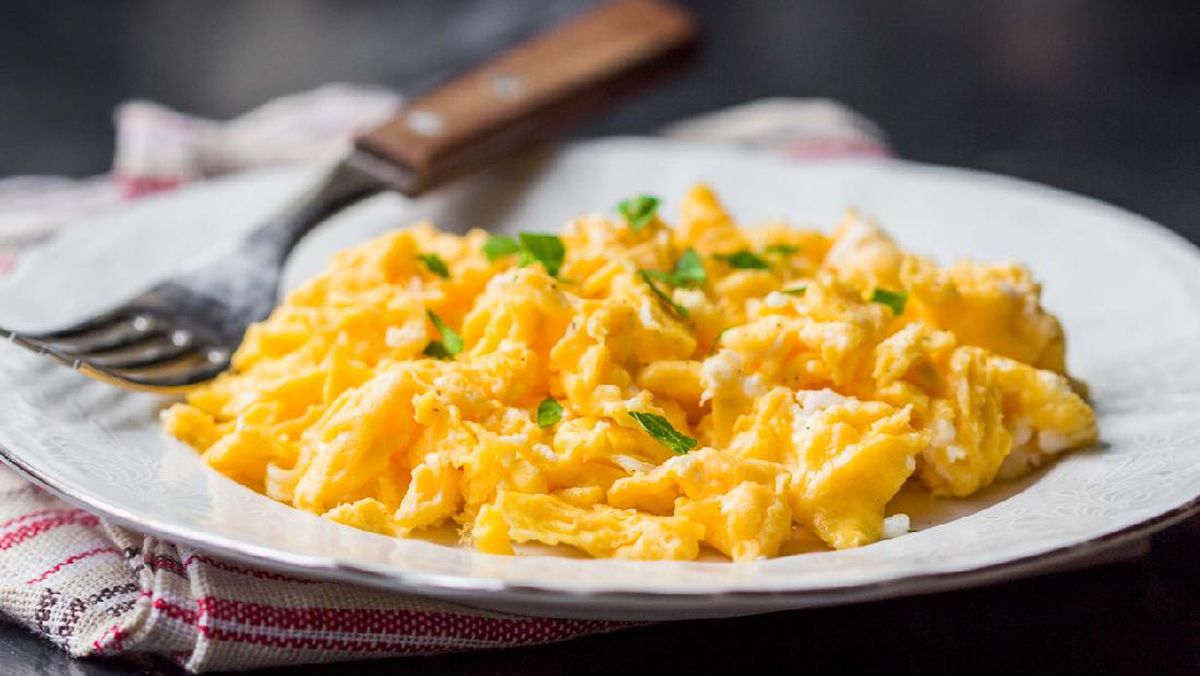
While some purists argue that eggs should be cooked on their own, the addition of heavy cream or full-fat milk is a widely accepted technique in professional kitchens. The fats in dairy contribute to the "creamy" mouthfeel, while the proteins in the milk interact with the egg proteins to elevate the temperature at which coagulation occurs. This provides the cook with a larger margin for error, preventing the eggs from becoming rubbery too quickly.
4. The Influence of Fats: Butter
Butter is more than just a lubricant for the pan; it is a flavor enhancer and a textural agent. Using high-quality unsalted butter and incorporating a small pat of cold butter at the very end of the cooking process—a technique known as monter au beurre—adds a glossy finish and a rich, velvety consistency that is characteristic of high-end bistro preparations.
5. Thermal Control: The Low and Slow Method
The most critical factor in the cooking process is heat management. High heat causes rapid coagulation, which forces water out of the protein network, leading to a dry and tough texture. By using low heat, the cook allows the protein network to form slowly and gently. This gradual transition from liquid to solid creates small, delicate curds rather than large, tough chunks. Constant, gentle stirring is essential to ensure that no part of the egg remains in contact with the pan long enough to become overcooked.
6. Residual Heat and Timing
The final, and perhaps most vital, tip is to remove the eggs from the heat source before they appear completely finished. Because of the thermal mass of the eggs and the residual heat of the pan, the cooking process continues even after the heat is turned off. By pulling the eggs from the flame when they are still slightly "wet" or underdone, the chef ensures that by the time the dish reaches the plate, it has reached the perfect state of doneness.
Nutritional and Economic Implications
Beyond the culinary appeal, the shift toward higher-quality preparation methods highlights the importance of eggs as a functional food. Eggs provide high-quality protein, essential amino acids, and vital micronutrients like choline, vitamin D, and selenium. In a global economy where food inflation remains a concern, eggs represent one of the most cost-efficient ways to provide a nutrient-dense meal.
From a public health perspective, the movement toward "slow-cooked" scrambled eggs also encourages home cooking over the consumption of highly processed, pre-packaged breakfast items. When individuals are empowered with the knowledge of how to prepare high-quality, simple meals, there is a positive correlation with improved dietary habits and increased engagement with fresh, whole foods.
Industry Perspectives on Breakfast Trends
Professional culinary organizations, such as the Culinary Institute of America, have long emphasized that the "simplest" dishes are often the most difficult to master because they leave no room for error. The recent trend toward artisanal breakfast preparations reflects a broader consumer shift toward quality over quantity. Restaurant owners have noted that customers are increasingly willing to pay a premium for "breakfast experiences" that focus on technique, such as slow-scrambled eggs, which differentiates these establishments from standard, high-volume fast-food chains.
The broader implications of these techniques suggest a shift in domestic culinary culture. As information becomes more accessible through digital platforms, the gap between home-cooked and restaurant-quality food continues to narrow. This empowerment allows households to optimize their food budgets while simultaneously improving the nutritional profile and enjoyment of their daily meals.
In conclusion, the pursuit of the perfect scrambled egg is a balance of biology, physics, and patience. By moving away from the high-heat, rushed methods of the past and adopting a more controlled, scientific approach, home cooks can achieve a level of quality that was once reserved for professional kitchens. Whether it is the timing of the salt, the precise heat management, or the strategic use of dairy and fats, these small adjustments reflect a commitment to the craft of cooking—turning a basic staple into a refined culinary achievement.
