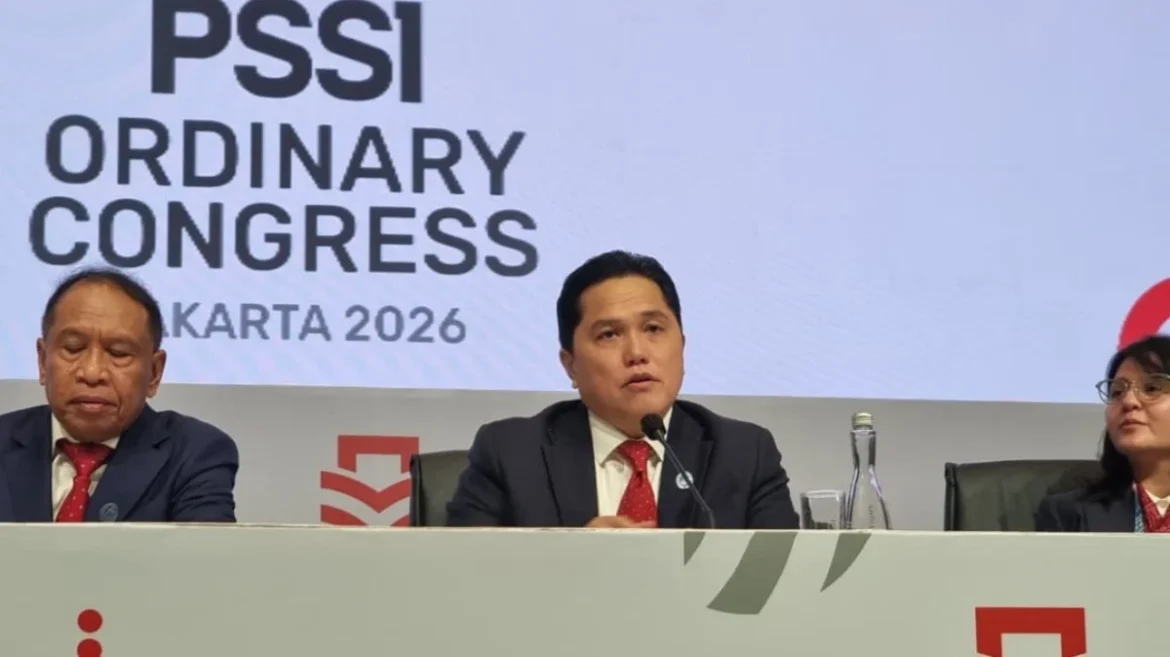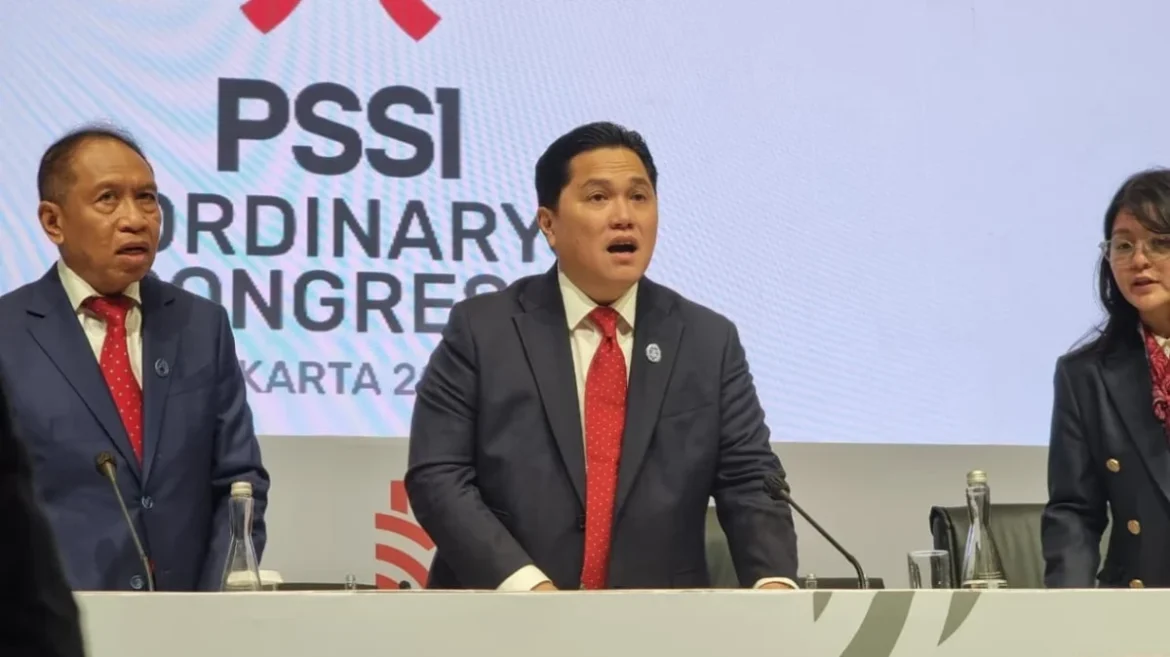
JAKARTA — Securing the hosting rights for the inaugural FIFA ASEAN Cup 2026 was far from a straightforward administrative formality for Indonesia. Behind the momentous announcement lies a rigorous, highly competitive international bidding process fraught with diplomatic maneuvering, regional rivalries, and intensive lobbying efforts. According to Football Association of Indonesia (PSSI) President Erick Thohir, Indonesia had to fend off fierce competition from several traditional Southeast Asian football powerhouses before FIFA ultimately greenlit the archipelago as a joint host alongside Hong Kong for the historic tournament’s premier edition.
The disclosure sheds light on the high stakes surrounding the new tournament, which has been designed by global football governing body FIFA to elevate the standard, commercial viability, and competitive edge of football within the Southeast Asian region. As the inaugural edition, the event carries monumental prestige, motivating multiple member associations within the ASEAN Football Federation (AFF) to aggressively pursue the hosting mandate to cement their names in regional sporting history.
An Intense Bidding War and Regional Rivalries
The race to host the inaugural FIFA ASEAN Cup 2026 saw active interest from several prominent football nations in the region. Among the most notable competitors were Thailand and Vietnam, both of which boast strong national team infrastructures, passionate fan bases, and extensive experience in hosting major continental fixtures. The presence of multiple heavyweight contenders significantly complicated the evaluation phase, causing the bidding timeline to stretch out across several critical weeks.
Speaking in Jakarta, Erick Thohir detailed the complexities of the negotiations, emphasizing the historical weight attached to the tournament. “The pitching process was quite lengthy because many countries wanted to be part of history when this FIFA ASEAN event is held for the very first time,” Erick explained.
The competitive pressure was palpable, with various candidates attempting to sway FIFA’s executive committee through elaborate presentations highlighting stadium readiness, commercial potential, and governmental backing. However, FIFA maintained a strict geographical and developmental focus regarding the tournament’s core identity. Despite mounting pressure from alternative bids, the international governing body stayed true to its vision of anchoring the tournament within the Southeast Asian landscape.
“Because FIFA stated that this is for ASEAN, I want to express my gratitude to FIFA. Amidst all the pressures, FIFA stood firm and said, ‘No, this is for ASEAN countries,’” Erick recounted, highlighting the diplomatic balance maintained by the global body to ensure the tournament served its original developmental objective.
The Decisive Role of State Support and Presidential Backing
While regional sentiment favored an ASEAN-centric location, securing the tournament required concrete, undeniable proof of domestic infrastructural and administrative readiness. PSSI recognized that a football association bid alone would be insufficient to overcome the proposals put forward by rival nations. Consequently, the Indonesian government mobilized a comprehensive, multi-layered support system to reinforce the bid.
The collaborative approach spanned numerous state institutions. PSSI worked in close coordination with various government ministries, local municipal authorities, and the Indonesian National Police (Polri) to guarantee robust security protocols, logistical efficiency, and seamless immigration and transportation procedures for visiting delegations and international fans.
The turning point in the diplomatic push came when Erick Thohir presented a formal letter of endorsement directly signed by Indonesian President Prabowo Subianto. This high-level executive backing signaled to FIFA that the nation viewed the tournament not merely as a sporting event, but as a matter of national strategic importance.
“I told them, here is the letter from Mr. President. All components of the government also signed off on it,” Erick noted, underlining the unified front presented by the Indonesian state. This all-hands-on-deck methodology demonstrated to FIFA inspectors that the host nation possessed the institutional bandwidth to manage a high-profile international tournament without administrative bottlenecks.
Leveraging the Legacy of the FIFA U-17 World Cup
A critical asset in Indonesia’s persuasive arsenal was its recent, successful hosting of the FIFA U-17 World Cup. That tournament served as a vital proving ground for Indonesia’s modern sporting infrastructure, operational capabilities, and crowd management protocols, which had undergone rigorous evaluation and subsequent upgrades following previous domestic safety reforms.
International sports auditing teams closely monitor a candidate nation’s past execution record. By demonstrating that upgraded stadiums—such as Jakarta’s International Stadium (JIS), Surabaya’s Gelora Bung Tomo, and venues in Surakarta and Bandung—met stringent international safety, broadcasting, and accessibility standards, PSSI successfully alleviated any lingering concerns from FIFA regarding operational risk.
Government officials emphasized that the lessons learned from managing global youth tournaments would be directly applied to the FIFA ASEAN Cup 2026. The objective was to deliver a tournament characterized by world-class operational standards, stringent security measures, and elevated hospitality services for all participating delegations and spectators.
The Strategic Implications of Hosting the FIFA ASEAN Cup 2026
The acquisition of the FIFA ASEAN Cup 2026 hosting rights carries profound strategic implications for Indonesia’s broader sports development trajectory. Beyond the immediate economic boost driven by sports tourism, hospitality revenue, and merchandise sales, successful execution reinforces the nation’s credibility as a reliable partner for international sports federations.
In recent years, Indonesia has steadily positioned itself as a premier hub for major sporting events in Southeast Asia. From the 2018 Asian Games to the U-17 World Cup and various international motorsport and badminton championships, the country has leveraged sports diplomacy as a tool for national branding. Consistently delivering flawless tournaments enhances PSSI’s standing within international football bodies, potentially paving the way for bids on even larger global competitions in the decades to come.
Furthermore, the tournament provides a vital competitive platform for the national team. While PSSI and government stakeholders have focused heavily on the logistical and infrastructural triumph of winning the bid, the ultimate benchmark of success remains on the pitch. Erick Thohir has repeatedly stressed that the nation’s ambitions extend far beyond organizing a well-run event; the ultimate aspiration is for the Indonesian national team to deliver a competitive, high-level performance that matches the nation’s status as the tournament’s host.
Looking Ahead: Preparations and Expectations
With the tournament schedule drawing closer, the pressure now shifts to operational execution. PSSI, in collaboration with regional stakeholders, municipal governments, and security forces, faces a tight timeline to finalize venue allocations, training camp logistics, and promotional campaigns across the archipelago.
The partnership with Hong Kong as a joint host adds an interesting regional dynamic to the tournament structure, requiring seamless coordination between different football associations, broadcasting networks, and travel corridors. As preparations accelerate, PSSI is expected to roll out comprehensive ticket distribution strategies, volunteer recruitment programs, and fan engagement initiatives designed to maximize domestic turnout and create an electrifying atmosphere across all host venues.
Ultimately, the journey to securing the FIFA ASEAN Cup 2026 underscores the immense political will, strategic diplomacy, and administrative diligence required to bring elite international football to Indonesian soil. As the nation prepares to welcome teams and supporters from across Southeast Asia and beyond, the upcoming tournament stands as both a testament to Indonesia’s growing stature in global sports administration and a crucial testing ground for the future ambitions of national football.