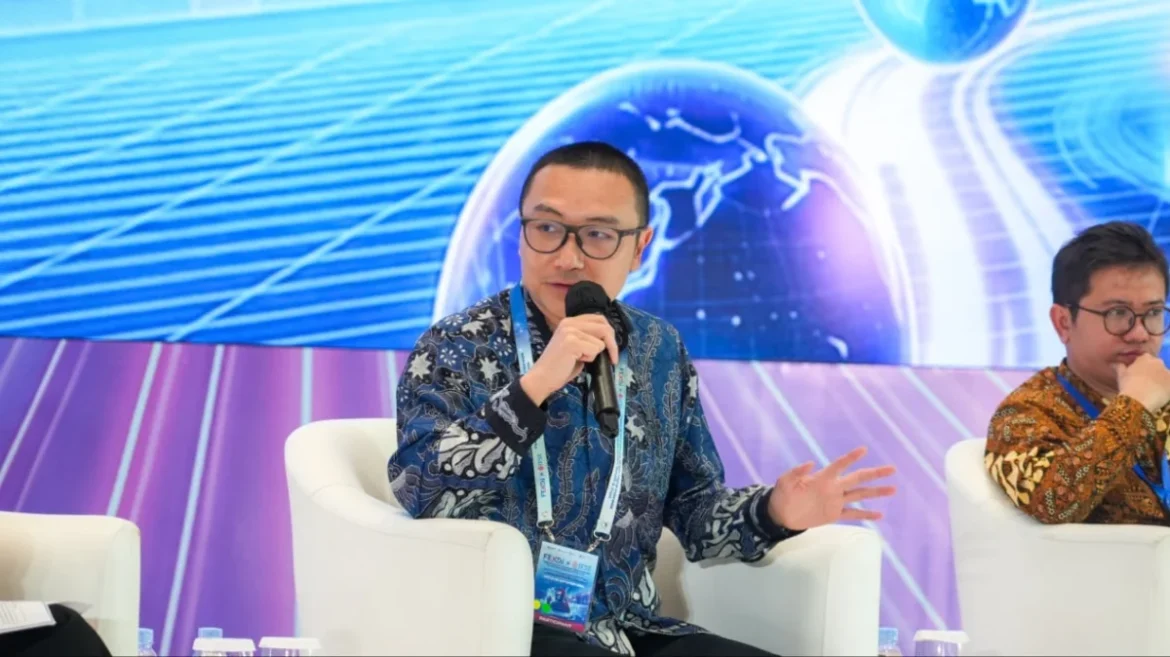
The landscape of digital finance in Indonesia has reached a pivotal juncture as the nation witnesses a massive surge in the adoption of crypto assets and blockchain technology. Data from the Financial Services Authority (OJK) indicates that as of July 2026, the number of registered crypto asset consumers in Indonesia has climbed to an impressive 22.93 million accounts. This rapid expansion is mirrored by a robust trading volume, with transactions between January and July 2026 totaling approximately Rp171.12 trillion. These figures were brought to the forefront during the Festival Ekonomi Keuangan Digital Indonesia (FEKDI) x Indonesia Fintech Summit & Expo (IFSE) 2026, an event that serves as the premier nexus for regulators, industry leaders, and digital talent to chart the future of the nation’s digital economic trajectory.
The Evolution of Indonesia’s Digital Financial Ecosystem
The 2026 edition of FEKDI x IFSE serves as more than just a convention; it acts as a diagnostic and strategic forum for the integration of emerging technologies into the formal financial sector. The event, which brings together stakeholders from the central bank, OJK, and the private fintech sector, focused heavily on the transition from experimental digital finance models to tangible, real-world economic contributions.
The surge in crypto adoption is not merely a retail phenomenon but a structural shift in how Indonesians approach investment and asset management. With over 22 million users, the scale of participation necessitates a robust regulatory framework that balances innovation with consumer protection. The discussion at the summit highlighted the dual challenge of fostering a competitive domestic industry while mitigating the risks associated with illegal platforms and cross-border crypto activities.
Perspectives from Industry Leadership
William Sutanto, Chief Executive Officer of Indodax and Secretary-General of the Indonesian Blockchain Association (ABI), emphasized during the summit’s panel on "Risk Mitigation and Ecosystem Security" that the crypto industry has evolved into a strategic pillar of the national economy.
"The crypto industry possesses immense economic potential and continues to show significant growth," Sutanto noted. "By nature, crypto assets are borderless, allowing users to access various exchanges globally. The core challenge for us is to ensure that the local ecosystem remains healthy, competitive, and capable of providing sustained benefits for users and the broader Indonesian economy."
Sutanto’s remarks underscored the necessity of a "level playing field." He argued that for the domestic industry to thrive against international competition, there must be a seamless collaboration between the industry and regulatory bodies. The role of the exchange, according to Sutanto, is to act as a bridge—translating the fast-paced nature of blockchain innovation into a compliant and secure environment that satisfies OJK’s stringent oversight requirements.
Regulatory Framework and Consumer Protection
The OJK’s stance on digital innovation remains cautiously optimistic, prioritizing structural integrity and consumer safety. Friderica Widyasari Dewi, Chair of the Board of Commissioners at the OJK, has consistently advocated for digital financial innovations to evolve beyond the "experimental" phase. According to the OJK, the goal is to shift these innovations toward implementations that offer real value to the real economy.
To facilitate this, the OJK has leveraged the "regulatory sandbox" mechanism. This controlled environment allows fintech firms to test innovative products before they are fully integrated into the mainstream market. Current initiatives within this sandbox include:
- Tokenization of Assets: Expanding the reach of gold, government securities (SBN), and real estate through blockchain-based tokens.
- Stablecoin Development: Exploring pegged digital assets that can provide a more stable medium of exchange for digital transactions.
- Custodial Services: Establishing secure, regulated infrastructure for the storage and management of digital financial assets.
- Crypto Asset Funds: Developing investment vehicles that allow institutional and retail investors to participate in the digital asset market with higher security standards.
Chronology of Digital Asset Growth in Indonesia
The rise of the crypto industry in Indonesia has been marked by several key developmental phases:
- Early Adoption (2018–2020): Crypto assets began gaining traction primarily as speculative retail investments, with limited regulatory clarity.
- Regulatory Formalization (2021–2023): The Commodity Futures Trading Regulatory Agency (Bappebti) took the lead in classifying crypto as a commodity, setting the stage for centralized exchange registration and tax implementation.
- Institutional Shift (2024–2025): The transition of oversight to the OJK marked a milestone, integrating crypto into the broader financial services regulatory framework.
- Integration Era (2026–Present): The current phase focuses on "real-world application," moving away from pure speculation toward tokenized assets and financial inclusion through blockchain.
Analysis: The Challenge of Illegal Platforms
Despite the growth, the presence of illegal or unregistered platforms remains a significant concern for both regulators and industry associations like the ABI. These platforms often lure consumers with the promise of high, unrealistic returns while operating outside the jurisdiction of Indonesian authorities.
The strategy to combat this, as discussed at the FEKDI x IFSE 2026, rests on three pillars:
- Aggressive Literacy Campaigns: Educating the public on how to verify if an exchange is registered with the OJK and understanding the inherent risks of dealing with offshore, unregulated entities.
- Collaborative Surveillance: Enhancing communication between the OJK, the police, and industry associations to quickly identify and block illicit platforms.
- Competitive Local Alternatives: Improving the user experience and service quality of licensed domestic exchanges to ensure they remain the preferred choice for Indonesian users.
Implications for the National Economy
The implications of a well-regulated, thriving crypto ecosystem are profound. By transitioning toward tokenization, Indonesia can potentially unlock liquidity in illiquid asset classes such as property and infrastructure projects. This allows for fractional ownership, enabling small-scale investors to participate in markets that were previously reserved for the wealthy.
Furthermore, the advancement of blockchain technology in the financial sector positions Indonesia as a potential hub for digital innovation in Southeast Asia. The ongoing dialogue between the government and the private sector, as showcased at the IFSE 2026, reflects a maturing approach. Rather than stifling the technology, the government is working to "channel" it into legitimate economic activities that can boost financial inclusion.
Future Outlook
Looking ahead, the focus for the remainder of 2026 and into 2027 will be on the scalability of these regulatory sandbox projects. The success of tokenizing government securities, for instance, could revolutionize how the state raises capital, making it more efficient and accessible to the tech-savvy generation.
However, the industry faces external pressures, including global market volatility and the evolving nature of decentralized finance (DeFi). To maintain momentum, the Indonesian crypto sector must continue to prioritize transparency and technical robustness. As William Sutanto pointed out, the key to sustainability lies in maintaining the trust of the 22.93 million current users and the millions more who are expected to enter the market as the infrastructure becomes more refined.
In conclusion, the discourse at FEKDI x IFSE 2026 confirms that crypto and blockchain are no longer on the periphery of Indonesia’s financial system. They are being woven into the fabric of the national economy. With the OJK providing a structured regulatory pathway and industry players like Indodax advocating for safer, more competitive environments, the stage is set for a new era of digital finance—one that is defined by stability, innovation, and, above all, the protection of the Indonesian consumer.