
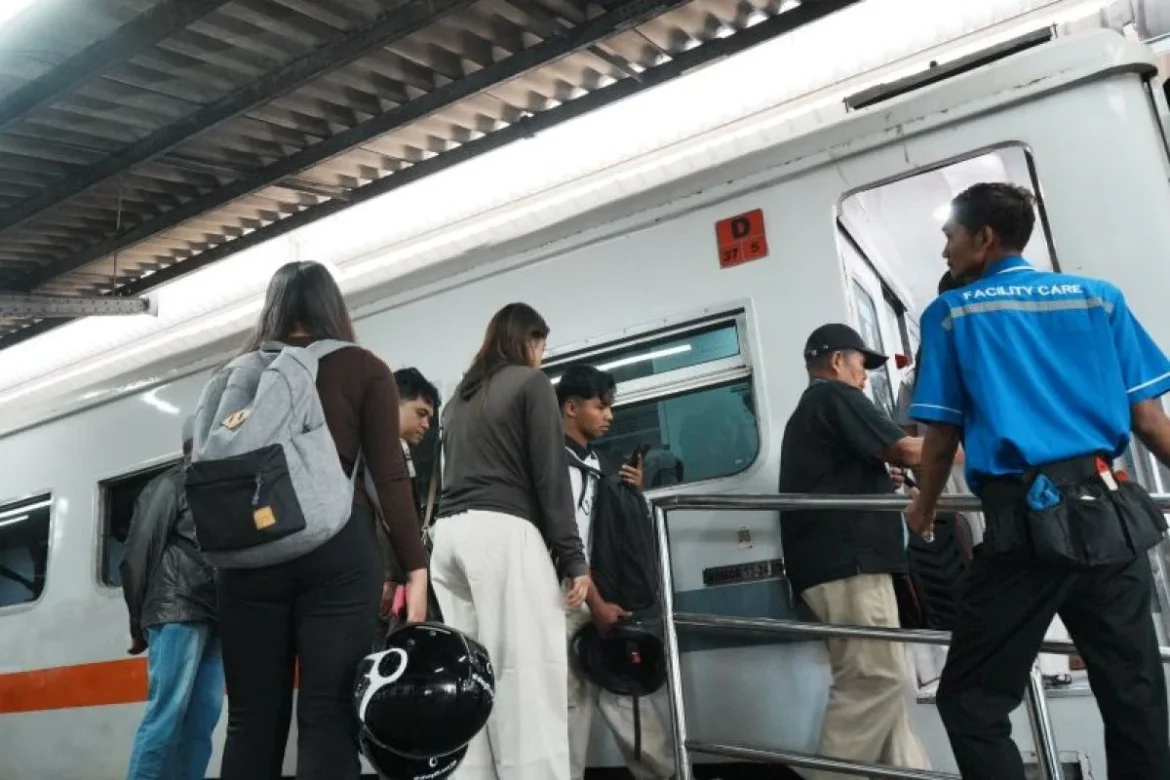
PT Kereta Api Indonesia (Persero), alongside the broader KAI Group, has officially announced the launch of its highly anticipated External Recruitment program for the year 2026. This comprehensive hiring initiative is specifically tailored to accommodate a wide spectrum of educational backgrounds, ranging from senior high school graduates (SLTA) and Diploma 3 (D3) holders to Diploma 4 and Bachelor’s degree (D4/S1) graduates. The strategic move is designed to inject fresh talent into Indonesia’s rapidly modernizing rail transportation sector, ensuring that operational excellence, safety standards, and customer satisfaction continue to meet the evolving demands of millions of passengers nationwide.
The recruitment drive represents a critical component of KAI’s ongoing human capital development strategy. As the national railway network expands its routes, upgrades its infrastructure, and integrates advanced signaling and rolling stock technologies, the demand for a highly skilled, adaptable, and robust workforce has never been more pressing. By opening doors to candidates from diverse academic tiers, KAI aims to fill vital operational, technical, administrative, and specialized positions across its various subsidiary companies and regional divisions.
Strategic Objectives and Workforce Expansion
The decision to initiate the 2026 external recruitment cycle comes at a time of significant growth for the national rail operator. Recent operational data released by KAI Group indicates a substantial surge in passenger volume, underscoring the vital role that rail transport plays in Indonesia’s interconnected logistics and commuter ecosystem. Up to August 2026, KAI Group successfully served 351.6 million passengers, marking a notable 7.09 percent increase compared to the same period in the previous year. This upward trend in ridership directly correlates with an increased need for frontline personnel, maintenance crews, administrative staff, and technical specialists to manage busier stations, higher train frequencies, and extended rail corridors.
To streamline this massive recruitment undertaking and ensure transparency, KAI Group has introduced a centralized, integrated digital platform: karier.kai.id. This unified web portal serves as the sole official gateway for prospective applicants. Through the platform, candidates can access detailed vacancy information, register user accounts, review specific job descriptions, select desired formations, submit applications, and track their progress through the multi-stage selection process. The digitization of the recruitment pipeline is expected to enhance accessibility for applicants across the archipelago while ensuring a fair, merit-based evaluation process.
Comprehensive Available Formations Across Academic Tiers
The 2026 recruitment program encompasses a diverse array of professional pathways tailored to specific educational attainments. Each educational tier features distinct job categories designed to match the competencies acquired during formal schooling and higher education.
For graduates of senior high schools or vocational high schools (SLTA), KAI has allocated frontline and operational positions that form the backbone of train travel. Available formations for SLTA graduates include Conductor (Kondektur), Locomotive Driver (Masinis), and Rolling Stock and Infrastructure Maintenance personnel. These roles require high physical endurance, strict adherence to safety protocols, and a strong sense of responsibility, given that they directly impact the safety of daily rail operations.
Candidates holding a Diploma 3 (D3) degree are presented with a broader spectrum of technical and administrative opportunities. D3 graduates can apply for positions such as Conductor, Locomotive Driver, Assistant Train Dispatcher (Asisten PPKA), Heavy Railway Machinery Operator (Operator KPJR), Rolling Stock and Infrastructure Maintenance specialists, Paramedics, and Administrative staff. These positions often demand specialized technical knowledge, precise operational coordination, and specialized certifications relevant to railway engineering and health services.
Meanwhile, holders of Diploma 4 or Bachelor’s (D4/S1) degrees are targeted for strategic, analytical, and specialized technical functions within the organization. Available formations for higher education graduates include Legal Administration Staff (Administrasi Legal), Logistics and Building Staff (Staf Logistik dan Bangunan), and Negative Check Officers for Signaling, Telecommunications, and Facilities (Petugas Negative Check Sintelis dan Fasilitas). These roles require advanced problem-solving capabilities, regulatory compliance expertise, and rigorous technical oversight to maintain the integrity of complex railway systems.
Detailed Registration Timeline and Chronology
Navigating the KAI External Recruitment 2026 process requires strict adherence to a precise schedule established by the human resources division. Because the application window is strictly time-bound, prospective candidates are strongly advised to prepare all necessary documentation well in advance of the deadlines.
The recruitment timeline unfolds across several key phases:
-
Account Registration Phase: The process officially commences on September 4, 2026. During this initial window, applicants are required to visit the official portal at karier.kai.id to create a personal account, complete their profile data, and upload preliminary identification documents. Establishing an account early is crucial, as it ensures that candidates do not encounter technical hurdles when the application submission window opens.
-
Application Submission Phase: The active application window is scheduled from September 7 to September 10, 2026. Within this brief four-day period, registered users can officially choose their desired job formation and submit their employment applications through the portal. Once the system closes on September 10, no further submissions will be accepted.
-
Document Verification and Selection Stages: Following the close of the application period, KAI’s recruitment team will conduct administrative screenings, followed by subsequent selection stages, which typically include academic tests, psychological evaluations, medical check-ups, and interviews. Specific dates for these subsequent stages will be communicated to successful applicants through their official accounts on the portal.
Essential Document Preparation and Qualification Criteria
Fulfilling the administrative and technical prerequisites is a mandatory step for any candidate aspiring to join KAI Group. Because every job formation comes with unique demands, applicants must thoroughly review the specific criteria outlined on the recruitment portal before finalizing their submissions.
In general, candidates must prepare a comprehensive suite of digital documents, including official educational certificates, academic transcripts, national identity cards (KTP), recent photographs, and other supporting credentials specified for their chosen role. Document formats, file sizes, and naming conventions specified by the system must be strictly followed to prevent automatic disqualification during the administrative screening phase.
Beyond educational qualifications, many positions—particularly operational roles such as locomotive drivers, conductors, and maintenance crews—enforce strict criteria regarding age limits, physical health, visual acuity (such as freedom from color blindness), and psychological fitness. Candidates are urged to evaluate their own health and qualifications against these rigorous benchmarks before applying, as medical and physical evaluations form a stringent component of the selection hierarchy.
Strict Commitment to a Merit-Based, Zero-Fee Recruitment Policy
In light of previous instances where irresponsible parties attempted to exploit job seekers, KAI Group has issued a firm and unequivocal warning regarding recruitment fraud. The management explicitly reiterates that the entire recruitment process is conducted in a transparent, professional, and strictly merit-based manner.
KAI Group does not charge any fees whatsoever to applicants throughout the registration, administrative screening, testing, and placement stages. Furthermore, the company never collaborates with any travel agency, third-party placement service, or intermediary organization promising guaranteed admission into the company in exchange for monetary payments, transport fees, or accommodation costs.
The public, especially prospective applicants and their families, is strongly urged to remain vigilant and skeptical of any communications, SMS messages, emails, or social media posts originating from unofficial sources that demand money or claim to have special influence over the KAI recruitment board. All official announcements, updates, and operational instructions are communicated exclusively through KAI’s verified corporate channels and the designated recruitment portal at karier.kai.id.
Broader Implications for National Infrastructure and Labor Market
The launch of the KAI External Recruitment 2026 program carries significant socio-economic implications. By injecting thousands of qualified professionals into the national railway network, KAI continues to reinforce its operational capacity to handle rising passenger numbers and freight demands. This workforce expansion supports broader governmental initiatives aimed at shifting mobility toward mass public transportation systems, thereby reducing urban congestion, lowering carbon emissions, and fostering sustainable economic connectivity across regions.
Furthermore, the recruitment drive serves as a major driver of employment generation, offering stable career trajectories for young Indonesian talents across various educational levels. Through rigorous training programs managed by KAI’s dedicated corporate academies, newly recruited personnel will be equipped with world-class competencies in railway safety, engineering, and customer service. As Indonesia’s railway network continues to modernize—incorporating high-speed rail integration, urban light rail systems, and upgraded freight logistics—the human capital secured through the 2026 recruitment campaign will form the foundational backbone that drives the nation’s transportation future forward.
