Jakarta, Indonesia – Samsung Electronics has officially introduced its latest foldable smartphone, the Galaxy Z Fold 8, featuring a revolutionary new form factor that promises to redefine the user experience, particularly for media consumption. This strategic launch signifies Samsung’s continued innovation in the burgeoning foldable market, aiming to cater to a distinct segment of users who prioritize immersive entertainment and multitasking capabilities within a portable device. The company emphasized that this new iteration is designed for individuals who frequently engage with digital media, from streaming videos to extensive social media scrolling.
A Bold New Design: Shorter, Wider, and Optimized for Immersion
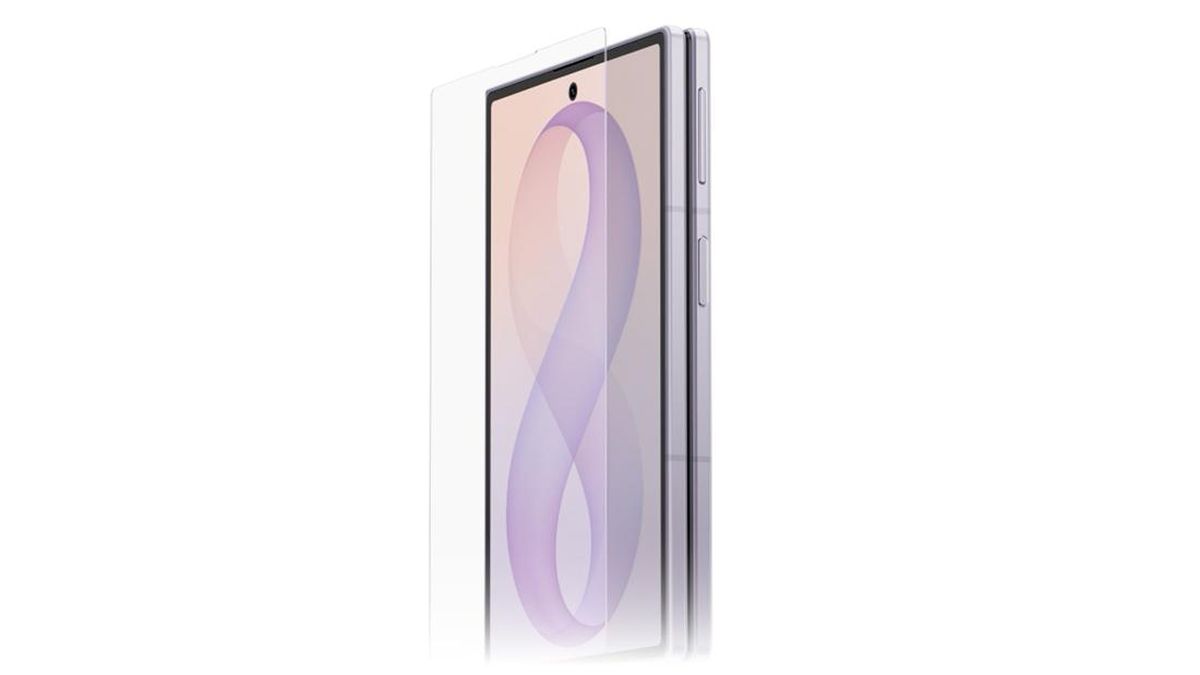
The Galaxy Z Fold 8 distinguishes itself immediately with a significantly altered physical design compared to its predecessors. Departing from the taller, narrower aspect ratio of the Galaxy Z Fold 7, the new Z Fold 8 adopts a form factor that is notably shorter and wider. This fundamental change results in a main display that, when unfolded, boasts an approximate 4:3 aspect ratio, reminiscent of a mini-tablet. This deliberate design choice, as articulated by Samsung, is engineered to enhance the comfort and utility of the main screen for a myriad of activities, including reading e-books, watching video content, reviewing documents, and engaging in multi-application workflows simultaneously.
Ilham Indrawan, MX Product Marketing Senior Manager at Samsung Electronics Indonesia, underscored the rationale behind this design shift during a hands-on session in Jakarta on Thursday, July 23. "Many foldable users utilize the inner screen not just for work, but also extensively for media consumption," Indrawan stated. "There’s a distinct enjoyment derived from using a screen with a wider form factor for such purposes." This insight highlights Samsung’s responsiveness to observed user behavior and preferences, suggesting a data-driven approach to product development. The wider aspect ratio aims to mitigate the common "letterboxing" effect encountered when watching widescreen videos on narrower displays, thereby delivering a more immersive viewing experience. For tasks like reading articles or documents, the wider screen provides more content per view, reducing the need for constant scrolling. Similarly, for split-screen multitasking, the increased horizontal real estate allows for more practical and less cramped simultaneous application usage.
The redesign also extends to the cover screen, which now features a 15:10 aspect ratio and a 5.5-inch diagonal measurement. This specific configuration is touted as ideal for quick interactions such as checking notifications, responding to messages, or scrolling through social media feeds without the need to unfold the device. Indrawan elaborated, "(This device is for) consumers who want to remain portable but possess the flexibility of a larger, foldable screen." This emphasizes the Z Fold 8’s dual identity: a compact, pocketable smartphone when closed, transforming into a media powerhouse when opened.
Strategic Diversification: Z Fold 8 vs. Z Fold 8 Ultra
A crucial aspect of this launch is Samsung’s nuanced product strategy, which introduces the Galaxy Z Fold 8 as a completely new variant, rather than a direct successor to the Z Fold 7. The true successor to the Galaxy Z Fold 7, maintaining a more traditional form factor but with updated specifications, will now carry the moniker Galaxy Z Fold 8 Ultra. This strategic segmentation indicates Samsung’s intent to broaden its foldable portfolio and cater to a wider array of user preferences and use cases. While the Z Fold 8 targets media enthusiasts and those seeking a more tablet-like experience, the Z Fold 8 Ultra will likely appeal to power users, professionals, and individuals who prioritize the established productivity-focused aspect ratio of previous Fold generations. This differentiation allows Samsung to capture various market niches within the premium foldable segment, potentially expanding its overall market share.
The Evolution of Samsung’s Foldable Vision: A Brief History
Samsung has been at the forefront of the foldable smartphone revolution since its inception. The journey began with the original Galaxy Fold in 2019, a groundbreaking device that, despite initial durability concerns, laid the foundation for an entirely new category of mobile technology. Subsequent iterations, including the Galaxy Z Fold 2, Z Fold 3, Z Fold 4, Z Fold 5, Z Fold 6, and Z Fold 7, showcased Samsung’s relentless commitment to refining the technology. Each generation brought significant improvements in hinge design, screen durability (with the introduction of Ultra Thin Glass), water resistance, S Pen support, and software optimization for multitasking.
The initial Galaxy Fold faced skepticism regarding its longevity and the practicality of its form factor. However, Samsung consistently addressed these concerns, transforming foldables from experimental gadgets into viable, premium daily drivers. The Z Fold series gradually evolved, becoming more robust, thinner, lighter, and more integrated into Samsung’s broader Galaxy ecosystem. The introduction of the Z Fold 8 with a distinct form factor signals a maturity in Samsung’s foldable strategy, moving beyond mere iteration to exploring diverse user experiences enabled by the flexible display technology. This latest move demonstrates Samsung’s confidence in the foldable market’s growth potential and its willingness to experiment with fundamental design elements to optimize user satisfaction.
Market Dynamics and Competitive Landscape
The foldable smartphone market, once a niche dominated almost exclusively by Samsung, is rapidly expanding and attracting increasing competition. Major players like Google, with its Pixel Fold, and various Chinese manufacturers such as Huawei, Xiaomi, Oppo, and OnePlus, have introduced their own foldable devices, each with unique design philosophies and target markets. Google’s Pixel Fold, for instance, also opted for a shorter and wider aspect ratio, similar in spirit to the new Z Fold 8, albeit with its own distinct characteristics. This suggests a growing industry consensus that a wider inner display offers significant advantages for media consumption and tablet-like usage.
According to recent market analysis reports, the global foldable smartphone market is projected to grow substantially in the coming years, with shipments expected to reach tens of millions of units annually. While Samsung has historically maintained a dominant market share (often exceeding 60-70%), the influx of new competitors is gradually eroding this lead. By diversifying its Z Fold lineup with distinct form factors, Samsung aims to maintain its competitive edge and cater to evolving consumer demands. The Z Fold 8’s emphasis on media consumption directly responds to a perceived gap or an unfulfilled desire among certain foldable users, potentially drawing in new customers who might have found previous Fold iterations too productivity-focused or not optimally suited for entertainment. This strategic move could solidify Samsung’s position by offering a broader range of options within its premium foldable ecosystem, making it harder for competitors to capture specific segments.
Expected Specifications and Pricing (General Outlook)
While the original report indicated that specific detailed specifications and pricing for the Galaxy Z Fold 8 were yet to be fully disclosed, industry patterns allow for reasonable inferences about what consumers can expect from a premium Samsung foldable in this new variant. Typically, new flagship devices from Samsung feature the latest generation of mobile processors (e.g., Qualcomm’s Snapdragon 8 series or Samsung’s Exynos equivalent), ensuring top-tier performance for demanding applications and multitasking. Users can anticipate significant improvements in camera technology, likely incorporating advanced sensors, computational photography enhancements, and versatile lens configurations.
Battery life is another critical area for foldables, and Samsung is expected to optimize the Z Fold 8’s power management to support its larger, more power-hungry display. Enhanced durability, including further refinements to the hinge mechanism and screen protection, will also be a key focus, building on the advancements made in previous generations. Connectivity options will undoubtedly include 5G capabilities, Wi-Fi 6E/7, and the latest Bluetooth standards.
Regarding pricing, premium foldable smartphones typically occupy the upper echelons of the smartphone market. Given its innovative form factor and position as a high-end device, the Galaxy Z Fold 8 is expected to be priced competitively within the premium foldable segment, reflecting its advanced technology, unique design, and the research and development investment involved. Specific pricing and availability details will be crucial for market adoption and will likely be announced closer to the device’s broader release.
Software Optimization and User Experience
The new wider aspect ratio of the Galaxy Z Fold 8 necessitates careful software optimization to fully leverage its potential. Samsung’s One UI, already lauded for its multitasking capabilities on foldables, will likely receive further enhancements to accommodate the 4:3 main screen and 15:10 cover screen. This includes improved multi-window functionalities, more intuitive drag-and-drop actions between applications, and enhanced continuity between the cover and main displays.
Developers will play a crucial role in adapting their applications to seamlessly transition and scale across these new screen dimensions. Samsung often works closely with app developers to ensure that popular applications are optimized for its unique foldable form factors, providing a consistent and fluid user experience. The wider screen could significantly enhance productivity apps by allowing more content to be displayed without constant scrolling, and creative apps by offering a larger canvas. For media applications, the optimized aspect ratio means less wasted screen space, leading to a truly edge-to-edge viewing experience for many movies and TV shows.
Broader Industry Implications and Future Outlook
The introduction of the Galaxy Z Fold 8 with its distinct wider form factor carries significant implications for the broader smartphone industry. It signals a maturation of the foldable market, indicating that manufacturers are moving beyond simply making screens fold to actively exploring different form factors to optimize specific user experiences. This trend could lead to a greater diversity of foldable designs in the future, with companies experimenting with various aspect ratios and hinge mechanisms to cater to an even broader spectrum of consumer needs.
Samsung’s move also underscores the company’s commitment to continuous innovation and its willingness to take calculated risks in design. By offering both the Z Fold 8 and the Z Fold 8 Ultra, Samsung is essentially creating a bifurcated high-end foldable market, providing consumers with more nuanced choices than ever before. This strategy could inspire other manufacturers to explore similar diversification within their foldable lineups, ultimately enriching the market with more specialized and user-centric devices.
However, challenges remain. The high price point of foldables continues to be a barrier for mass adoption. Durability, while significantly improved, is still a concern for some consumers. Moreover, ensuring consistent software optimization across a growing array of foldable form factors will be an ongoing task for both device manufacturers and app developers. Despite these hurdles, Samsung’s latest innovation with the Galaxy Z Fold 8 firmly cements its leadership in the foldable segment and sets a new benchmark for what consumers can expect from these cutting-edge devices, particularly in the realm of immersive media consumption. This strategic pivot highlights a forward-looking approach, aiming to capture the evolving demands of a sophisticated mobile user base.