
Jakarta, Indonesia – Sudaryono, the Head of the National Nutrition Agency (BGN), has unequivocally stated that his office lacks the authority to halt the ambitious Free Nutritious Meals (MBG) program, a cornerstone initiative of the incoming government. Speaking from the BGN office in Central Jakarta on Wednesday, July 22, Sudaryono emphasized that while the agency is committed to improving the program’s implementation through constructive feedback, calls for its complete cessation or the dissolution of BGN itself fall outside his purview and are not considered genuine criticism. This assertion comes amidst burgeoning public debate and widespread discussion on social media regarding the feasibility, funding, and efficacy of the MBG program, which was a central promise during President-elect Prabowo Subianto’s campaign.
Understanding the Free Nutritious Meals (MBG) Program
The Free Nutritious Meals (MBG) program represents a significant and ambitious undertaking by the Indonesian government, conceived as a direct response to persistent national challenges in public health and human capital development. At its core, MBG aims to provide regular, nutritious meals to vulnerable segments of the population, including children (from early childhood to school age), pregnant women, lactating mothers, and the elderly. The overarching goal extends beyond mere food provision; it seeks to address critical issues such as stunting, chronic malnutrition, and food insecurity, which have long plagued various communities across the archipelago.
Indonesia, despite its robust economic growth in recent decades, continues to grapple with concerning nutrition indicators. According to recent national surveys, the prevalence of stunting – a condition caused by chronic malnutrition that inhibits physical and cognitive development – remains a significant public health concern, affecting a substantial percentage of children under five. This issue has profound long-term implications, impacting educational attainment, productivity, and overall national development. Similarly, maternal and child malnutrition contribute to higher rates of maternal mortality, low birth weight, and increased susceptibility to diseases, thereby perpetuating a cycle of poverty and poor health outcomes. The economic cost of malnutrition is staggering, estimated to shave several percentage points off the nation’s Gross Domestic Product (GDP) due to reduced human potential and increased healthcare burdens.
It is against this backdrop that the MBG program emerged as a key policy initiative. President-elect Prabowo Subianto prominently featured the program in his campaign manifesto, framing it as a critical investment in Indonesia’s future generation. He consistently articulated a vision where no child would go hungry, and every pregnant mother would receive adequate nutrition, thereby laying the foundation for a healthier, more intelligent, and productive populace. Sudaryono’s reference to MBG as President Prabowo’s "political tender" underscores its deep roots in the electoral mandate, signifying its status not merely as a policy proposal but as a core commitment upon which the new administration was elected. The program is envisioned not just as a social safety net but as a strategic tool for national transformation, directly contributing to the nation’s demographic dividend and long-term prosperity.
Chronology and Genesis of a Presidential Mandate
The journey of the Free Nutritious Meals (MBG) program from a campaign promise to a national policy initiative has been closely intertwined with the political trajectory of President-elect Prabowo Subianto. The concept of providing free nutritious meals gained prominence during the intense presidential campaign season of late 2023 and early 2024. Prabowo Subianto, then a presidential candidate, consistently highlighted the dire need to address malnutrition, particularly stunting, across Indonesia. He proposed the MBG program as a direct and immediate solution, positioning it as a fundamental right for every Indonesian citizen, especially the most vulnerable.
Throughout numerous rallies, debates, and public appearances, Prabowo articulated how the program would uplift the health and educational prospects of millions, thereby garnering significant public support. His electoral victory subsequently transformed this campaign pledge into a firm presidential mandate, signaling the new administration’s commitment to prioritizing nutrition as a cornerstone of its development agenda.
Following the election, the transition period saw intensive discussions and planning sessions within the incoming government. The National Nutrition Agency (BGN), likely to be a central coordinating body, would have been tasked with operationalizing this complex initiative. While specific timelines for pilot programs or full-scale implementation have not been fully disclosed, the period immediately following the election and leading up to the new administration’s official inauguration would have been crucial for drafting logistical frameworks, identifying target demographics, and projecting budgetary requirements.
It was during this preparatory phase, as details of the program began to emerge and be discussed publicly, that various concerns and criticisms started to surface. Initial debates revolved around the sheer scale of the program, its estimated cost, potential funding mechanisms, and the logistical challenges of delivering nutritious meals to millions across a vast archipelago. Queries also arose regarding the proposed nutritional standards, procurement processes, and the potential for bureaucratic inefficiencies or corruption. Sudaryono’s statement on July 22, 2024, can be seen as a direct response to this growing public discourse, affirming the program’s unalterable status as a presidential directive while simultaneously acknowledging the need for transparency and improvement in its execution. His remarks underscore the program’s evolution from a political vision to an impending national reality, now facing the scrutiny and demands for accountability inherent in large-scale public initiatives.
Operational Framework and Supporting Data
The operationalization of the Free Nutritious Meals (MBG) program presents a monumental logistical and administrative challenge, requiring intricate planning and coordination across multiple sectors. The program’s success hinges on its ability to reach its diverse target beneficiaries effectively and consistently. These include pre-school children (critical for early brain development), school-age children (to improve learning outcomes and attendance), pregnant women (to prevent maternal and infant mortality and low birth weight, aligning with the "first 1,000 days of life" concept), lactating mothers (to support infant nutrition), and the elderly (to address nutritional deficiencies associated with aging).
To illustrate the scale, if the program targets, for example, 30 million children, 5 million pregnant women, 5 million lactating mothers, and 10 million elderly individuals, the daily provision of meals would involve feeding 50 million people. This necessitates an enormous budget, which is currently a significant point of public contention. While specific figures have not been officially detailed, preliminary estimates circulating in public discussions suggest the program could require tens of trillions of rupiah annually. Funding sources are expected to primarily come from the state budget, potentially involving reallocations from other sectors or innovative financing mechanisms. The sustainability of such a massive expenditure remains a key concern for economists and fiscal policy experts.
The logistical challenge extends to the supply chain. Ensuring the provision of nutritious and safe food daily across thousands of islands, remote villages, and urban centers requires a robust and efficient system. The BGN, as the coordinating body, is tasked with establishing stringent nutritional standards, outlining specific dietary requirements based on age and physiological needs, and ensuring food safety protocols are meticulously followed. This would involve collaborating with local health agencies, food safety authorities, and community organizations.
Furthermore, the program is designed to have a positive economic ripple effect, particularly in rural areas. By prioritizing local sourcing of ingredients, the MBG program aims to empower local farmers, small businesses, and food vendors. This localized procurement strategy could stimulate agricultural production, create job opportunities within communities, and inject capital directly into rural economies, thereby fostering inclusive growth. This localized approach also helps to ensure freshness and cultural appropriateness of the meals. However, scaling such a localized model to a national level without compromising quality or efficiency poses significant hurdles that BGN must navigate through careful planning and decentralized management.
Official Responses and BGN’s Stance on Criticism
Sudaryono’s recent pronouncements have sought to delineate the boundaries of constructive engagement with the Free Nutritious Meals (MBG) program. His core message is unequivocal: the BGN, as an implementing agency, does not possess the authority to unilaterally halt a program that originated as a direct presidential mandate. This position underscores the hierarchical structure of government policy-making, where the agency’s role is execution and refinement, not fundamental policy reversal. He clarified that calls for the complete cessation or dissolution of the MBG program or BGN itself are perceived not as constructive criticism but as attempts to undermine a legitimate and democratically endorsed initiative.
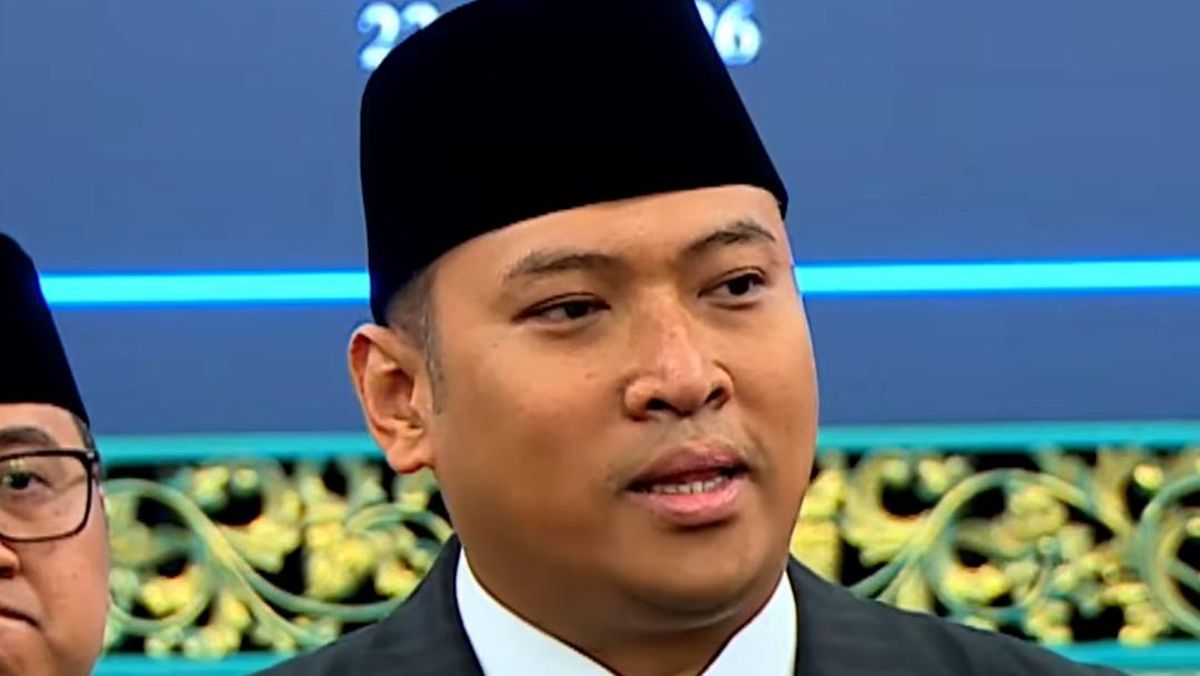
Despite this firm stance, Sudaryono affirmed BGN’s commitment to an open and transparent process, welcoming genuine feedback and input from all stakeholders. He articulated that constructive criticism is vital for identifying operational shortcomings, improving logistical efficiency, refining nutritional guidelines, and enhancing the overall efficacy of the program. This implies a willingness to adapt and optimize the program’s implementation based on empirical data and expert recommendations, rather than discarding the program altogether.
A significant portion of Sudaryono’s address focused on combating misinformation and ensuring public discourse is grounded in facts. He acknowledged the program’s high visibility and its propensity to become a viral topic on social media, making it susceptible to hoaxes, misinterpretations, and deliberate distortion. Sudaryono stressed the importance of verifying information before dissemination, warning against "fitnah" (slander), "misinterpretasi" (misinterpretation), or even "sabotase" (sabotage) that could jeopardize the program’s integrity and public trust. This concern highlights the challenges modern governments face in managing narratives and maintaining public confidence in the age of digital information.
The BGN’s immediate priorities, as outlined by Sudaryono, are centered on strengthening the governance of the MBG program. This includes establishing robust oversight mechanisms, ensuring transparent financial management, and developing clear accountability frameworks. Furthermore, a paramount focus is on guaranteeing the provision of food that is not only nutritious but also safe for all beneficiaries. This involves rigorous quality control throughout the supply chain, from procurement of raw materials to meal preparation and distribution. By emphasizing these foundational aspects, BGN aims to build a resilient and trustworthy program capable of delivering on its ambitious promises while mitigating potential risks and criticisms.
Reactions from Related Parties
The Free Nutritious Meals program, by its very nature and scale, has elicited a broad spectrum of reactions from various stakeholders across Indonesian society. While Sudaryono’s statement represents the official government stance, a deeper understanding of the program’s implications requires considering perspectives from civil society, political opposition, economic actors, and expert communities.
Civil Society Organizations (CSOs) and Nutrition Experts: Many CSOs focusing on public health, child welfare, and food security have expressed cautious optimism mixed with significant concerns. While applauding the government’s commitment to addressing malnutrition, experts frequently raise questions about the long-term sustainability of the program, especially regarding its massive budget implications. There are calls for robust scientific backing for the proposed meal plans, ensuring they are culturally appropriate, diverse, and genuinely meet the specific nutritional needs of various age groups. Concerns also revolve around the potential for dependency, the impact on local food systems if not managed carefully, and the need for independent monitoring and evaluation mechanisms to prevent misuse of funds and ensure transparency. Some experts suggest integrating MBG with existing community-based health and nutrition initiatives rather than creating an entirely new, potentially siloed, system.
Political Opposition: From the political opposition, reactions have been largely critical, often framing the MBG program as a populist measure that is financially unsustainable, poorly planned, or prone to corruption. Opposition figures frequently demand greater transparency regarding funding sources, procurement processes, and accountability structures. They question the program’s economic viability in the face of other pressing national priorities and often highlight the potential for political patronage within such a large-scale initiative. Their critique often serves to hold the incoming administration accountable for its campaign promises and to scrutinize the practical implications of its flagship policies.
Economic Stakeholders: The business community’s response is multifaceted. Local farmers and small-to-medium enterprises (SMEs) in the food sector generally welcome the program, viewing it as a significant opportunity to boost demand for their products and stimulate local economies. The promise of localized procurement could create new market linkages and income streams for rural communities. However, larger food manufacturers and logistics companies also see potential for large-scale contracts, leading to discussions about fair competition and the prevention of monopolies. Economists debate the overall impact on inflation, food prices, and market dynamics, particularly how the massive demand generated by MBG will interact with existing supply chains and agricultural output.
Public Opinion: Public sentiment is often divided. Many citizens, particularly those in lower-income brackets or in areas with high rates of food insecurity, express support for the idea of free nutritious meals, seeing it as a direct benefit that addresses immediate needs. There is a general hope that the program will genuinely improve health outcomes for children and vulnerable groups. However, there is also a healthy dose of skepticism, fueled by past experiences with large government programs that have faced issues of inefficiency, corruption, or inadequate implementation. Social media discussions, as noted by Sudaryono, reflect this duality, with passionate advocates for the program alongside vocal critics demanding greater accountability and better planning.
These diverse reactions underscore the complex socio-political landscape in which the MBG program is situated, highlighting the imperative for the BGN and the government to engage proactively, transparently, and effectively with all stakeholders to build trust and ensure the program’s ultimate success.
Broader Impact and Implications
The Free Nutritious Meals (MBG) program, by virtue of its scale and ambition, carries significant broader implications for Indonesia’s public health, economic landscape, and political future. Its success or failure will reverberate across multiple sectors, shaping the trajectory of the new administration and potentially redefining social welfare policy in the country.
Public Health Implications: If successfully implemented with rigorous quality control and effective nutritional standards, the MBG program holds the potential for transformative public health outcomes. A consistent supply of nutritious meals could drastically reduce stunting rates among children, leading to improved cognitive development, better educational performance, and ultimately, a more productive future workforce. For pregnant and lactating mothers, it could decrease maternal and infant mortality, lower rates of low birth weight, and enhance the overall health of new generations. For the elderly, it could combat malnutrition-related diseases and improve quality of life. Conversely, if the program is poorly managed, lacks proper nutritional oversight, or faces issues of food safety, it could inadvertently exacerbate health problems, erode public trust, and become a colossal public health liability rather than an asset. The long-term health benefits are contingent on meticulous planning, continuous monitoring, and adaptability.
Economic Impact: The economic implications are equally profound. The localized procurement strategy, if effectively implemented, could inject substantial capital into rural economies, creating new jobs in agriculture, food processing, and logistics. It could empower smallholder farmers and micro-enterprises, fostering inclusive economic growth and reducing regional disparities. However, the sheer budgetary requirement poses a significant challenge. Funding the MBG program will necessitate substantial allocations from the state budget, potentially requiring difficult trade-offs with other development priorities or necessitating innovative financing mechanisms. Economists will closely watch its impact on inflation, particularly food prices, and whether the increased demand can be met sustainably by domestic production without creating market distortions or excessive reliance on imports. The program’s economic legacy will depend on its efficiency, transparency, and its ability to stimulate genuine, sustainable economic activity rather than creating dependency or rent-seeking opportunities.
Political Implications: For President-elect Prabowo Subianto’s administration, the MBG program is a defining policy. It was a central campaign promise, a "political tender" that resonated deeply with the electorate. Its success will be a powerful testament to his administration’s capacity to deliver on its pledges and address fundamental societal challenges. A well-executed MBG program could solidify public trust, enhance the administration’s legitimacy, and potentially lay the groundwork for future social welfare initiatives. Conversely, significant failures, whether due to corruption, inefficiency, or an inability to deliver on nutritional promises, could severely undermine the administration’s credibility and political capital. The ongoing public scrutiny and social media debate highlight the high stakes involved, making MBG a crucial litmus test for the new government’s governance capabilities.
Governance and Transparency: The controversy surrounding MBG underscores the critical need for robust governance frameworks, unparalleled transparency, and stringent accountability mechanisms. Given the program’s massive budget and widespread reach, it is inherently vulnerable to corruption and mismanagement. The BGN’s commitment to improving governance and ensuring food safety is therefore paramount. Establishing clear metrics for success, implementing independent auditing processes, and fostering open communication with the public and civil society will be essential to building and maintaining trust. The way the government navigates these challenges will set a precedent for future large-scale social programs and define the standards for public accountability in the years to come.
In conclusion, while Sudaryono firmly reiterated the BGN’s lack of authority to halt the Free Nutritious Meals program, his statements simultaneously underscored the government’s commitment to refinement, transparency, and factual discourse. The MBG program, a significant presidential mandate, stands as a critical initiative with far-reaching implications for Indonesia’s health, economy, and political landscape. Its successful implementation will require not only massive logistical effort and financial commitment but also unwavering dedication to good governance, responsiveness to constructive criticism, and a steadfast commitment to delivering genuine, measurable benefits to the nation’s most vulnerable populations.
